New Contrasts
David Lurie1
1University of Aberdeen, United Kingdom
1University of Aberdeen, United Kingdom
Synopsis
Keywords: Physics & Engineering: Low-Field MRI, Contrast mechanisms: Relaxometry
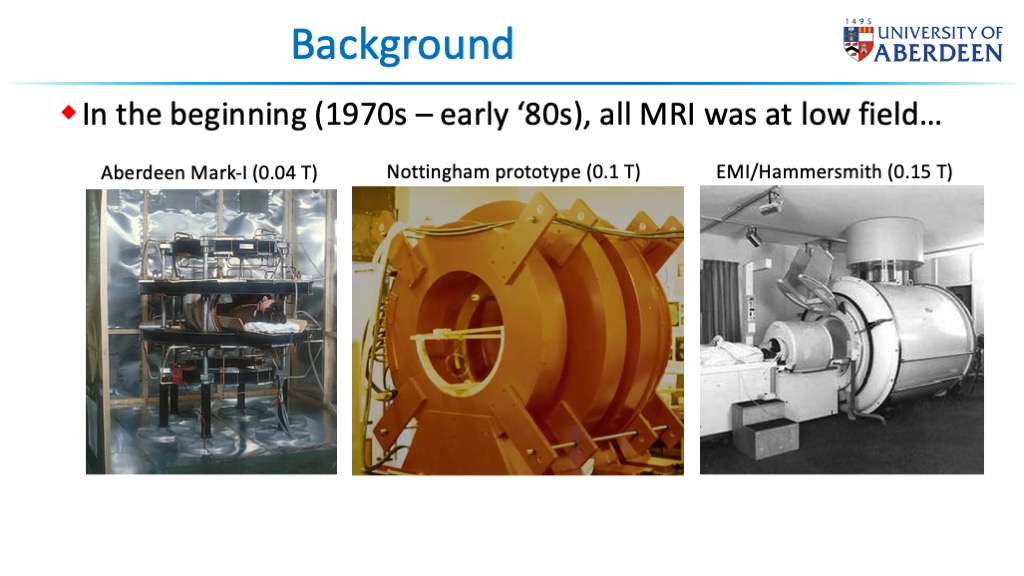
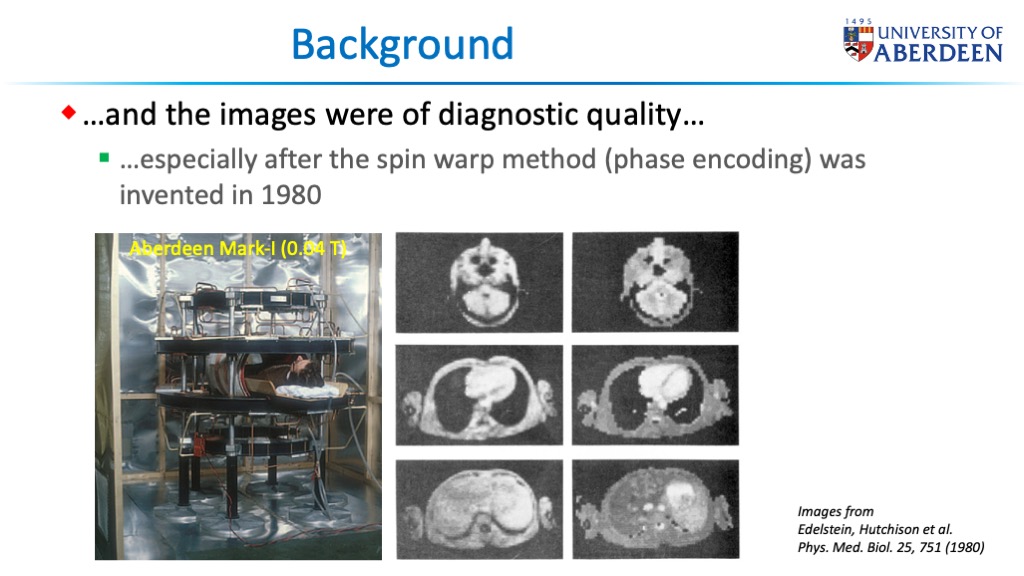
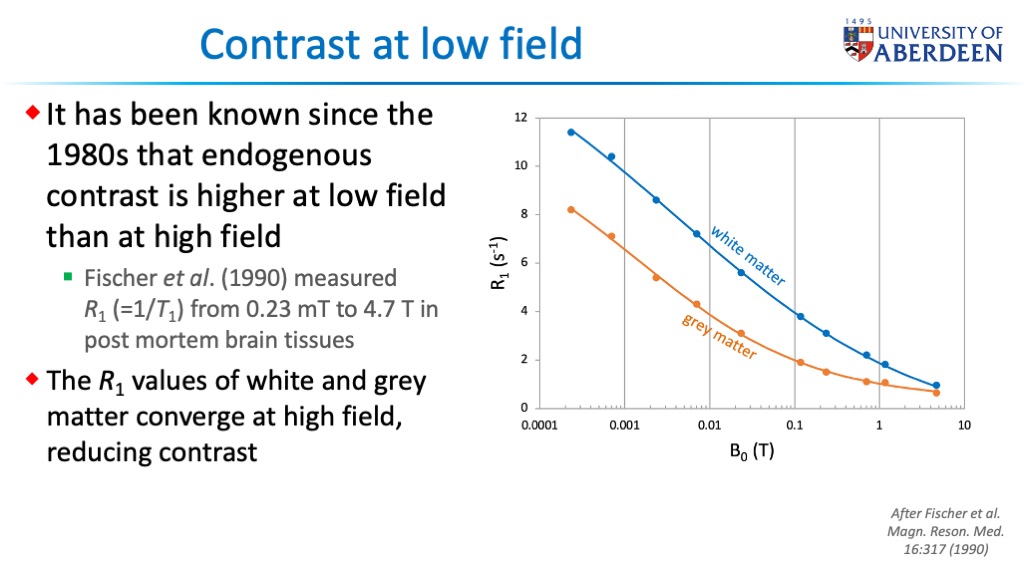
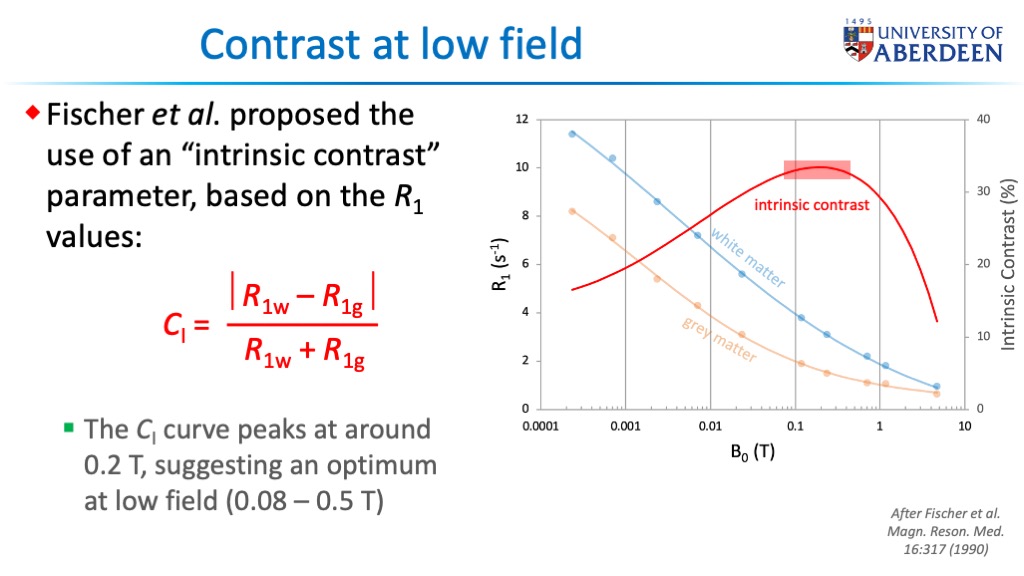
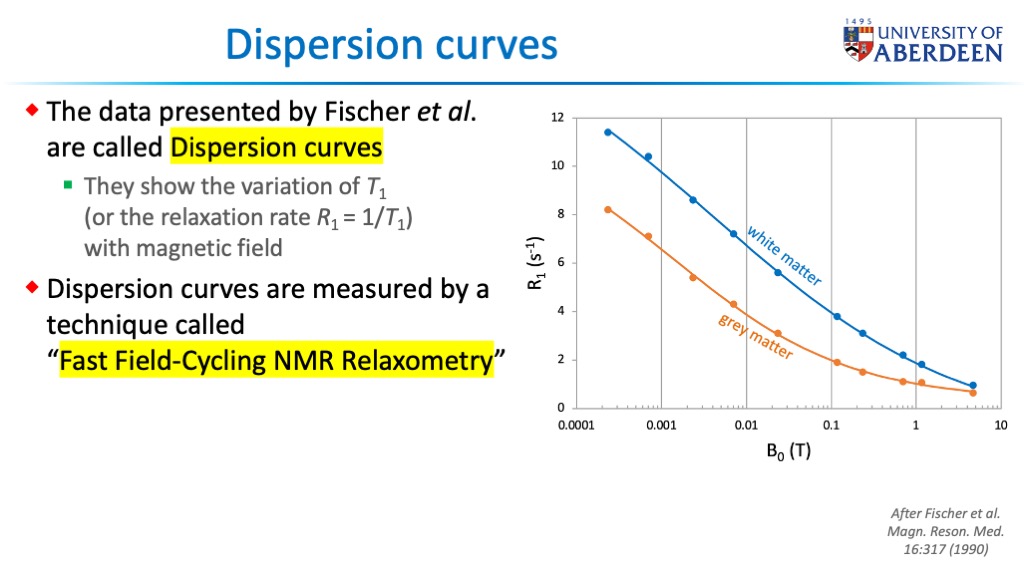
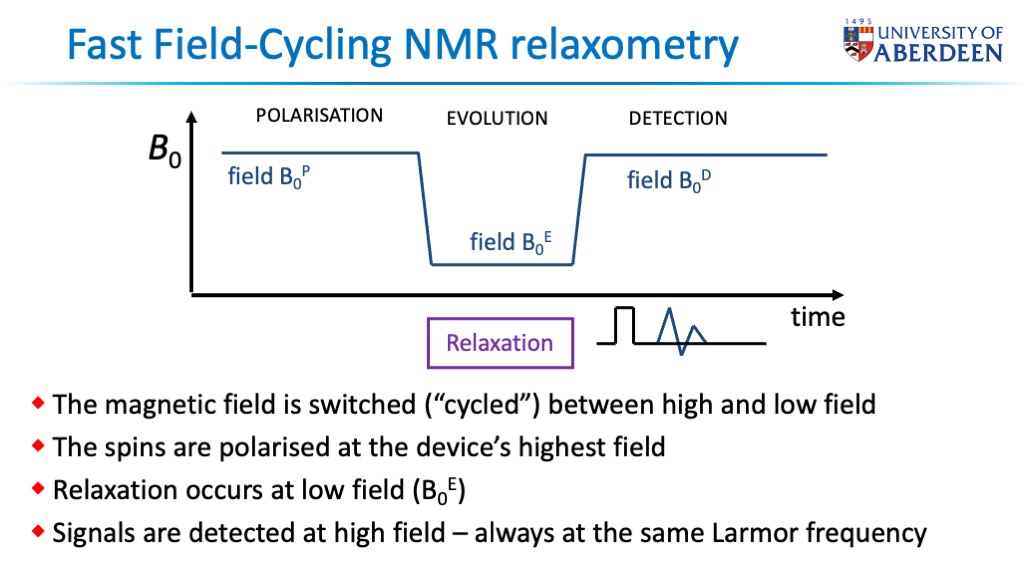
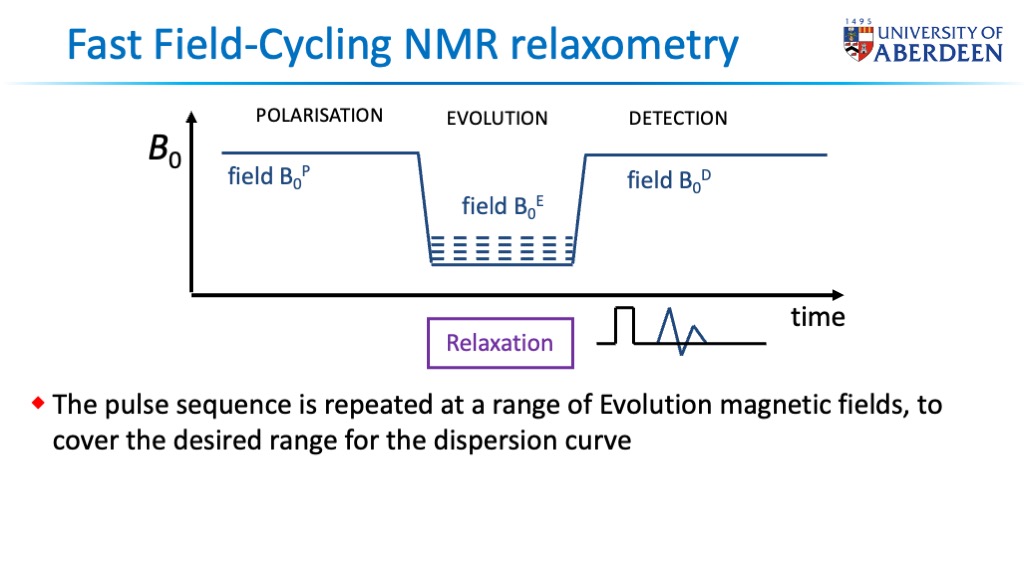
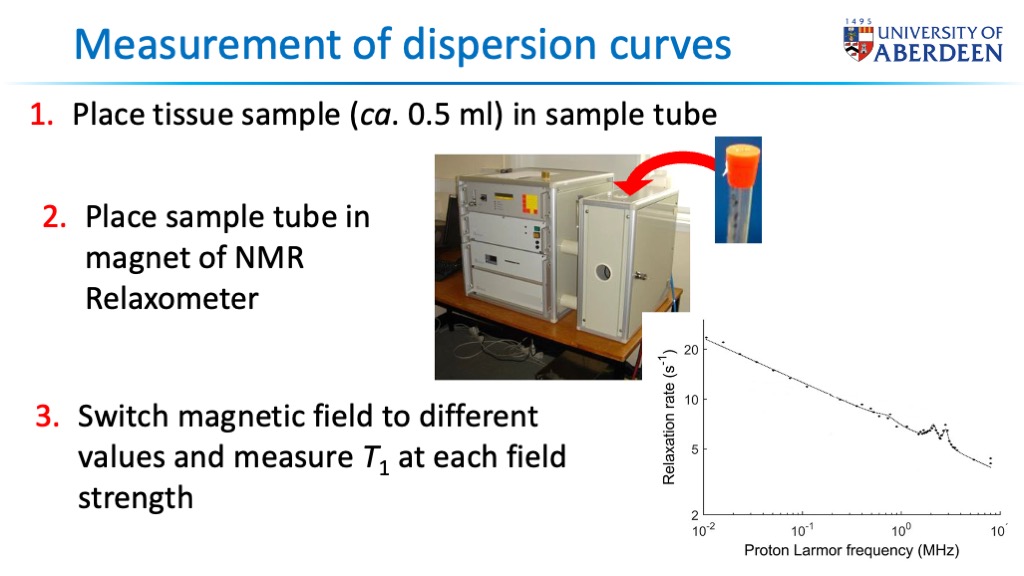
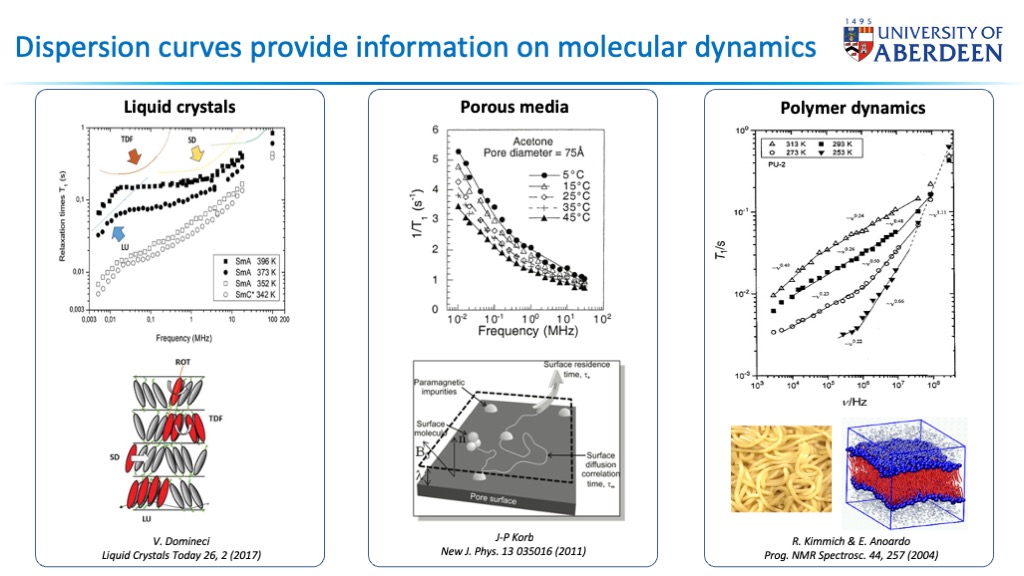
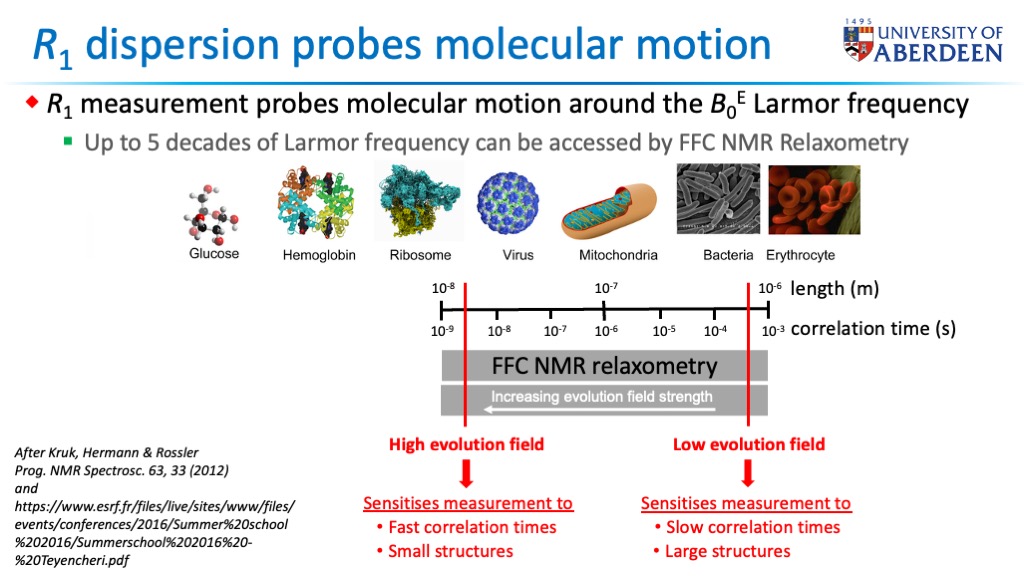
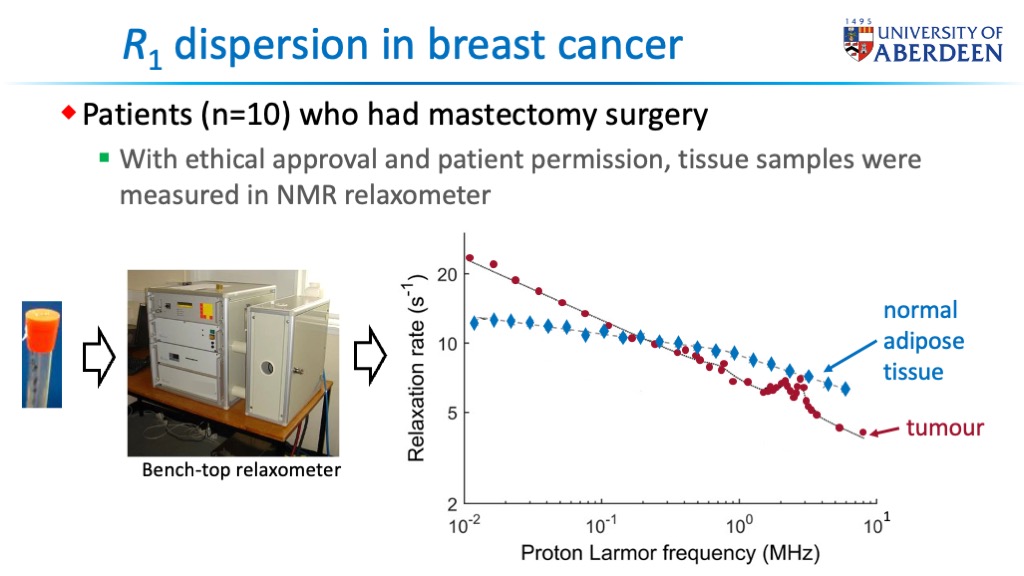
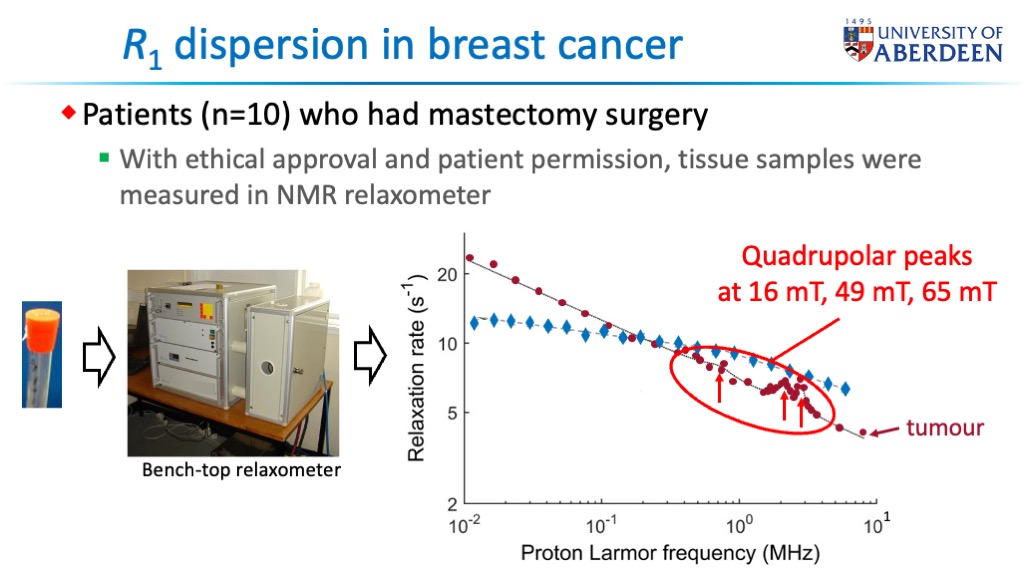
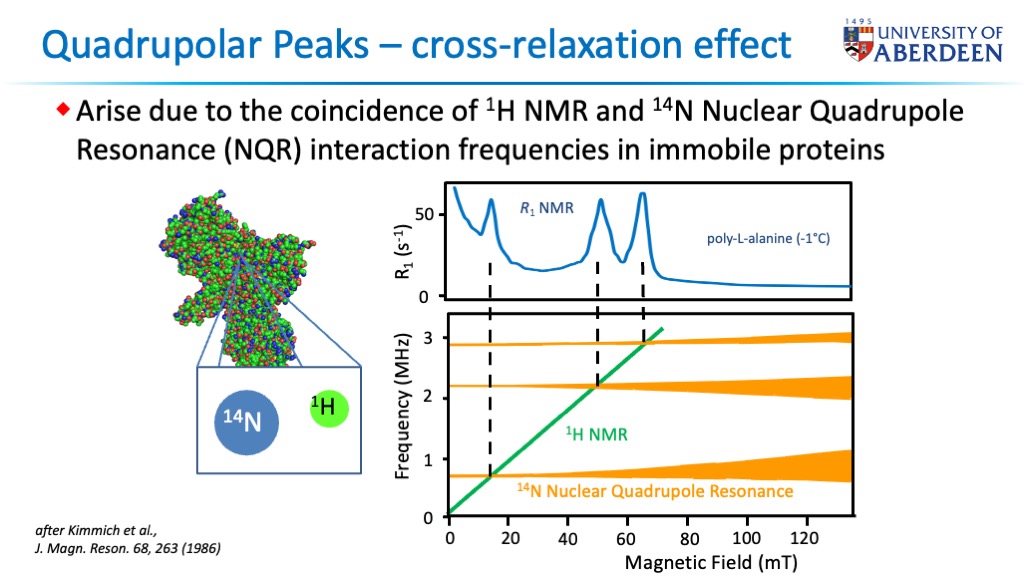
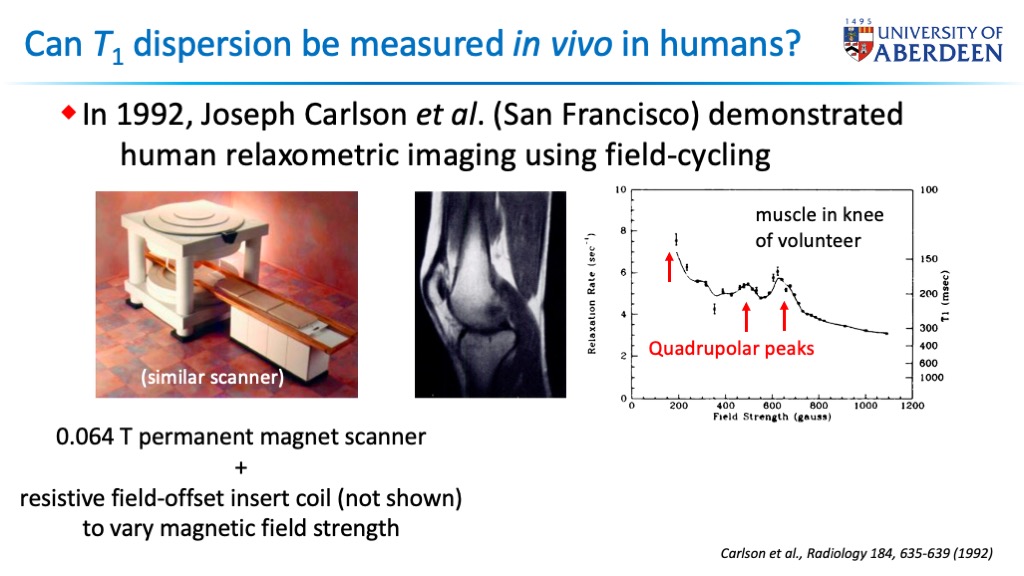
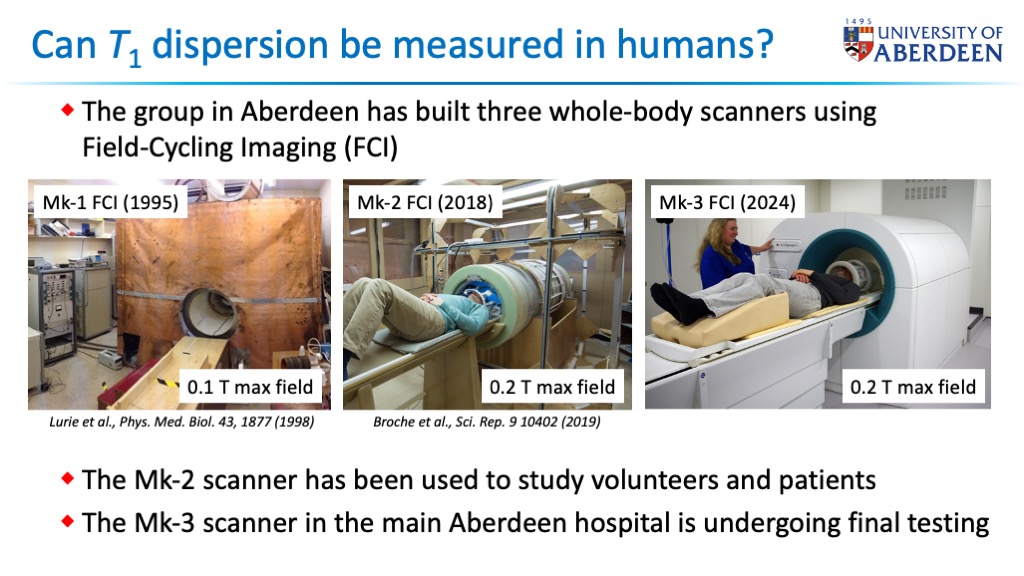
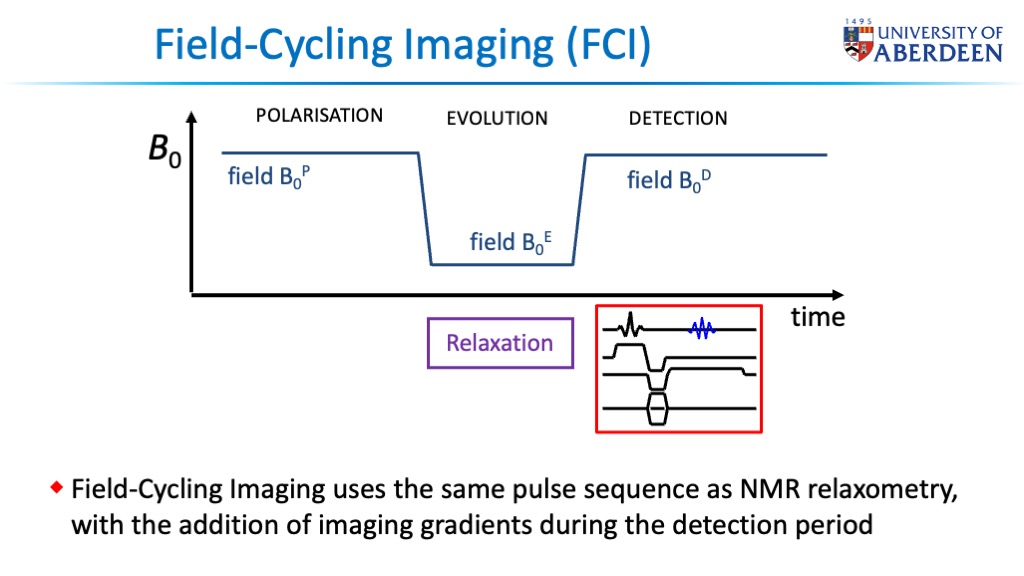
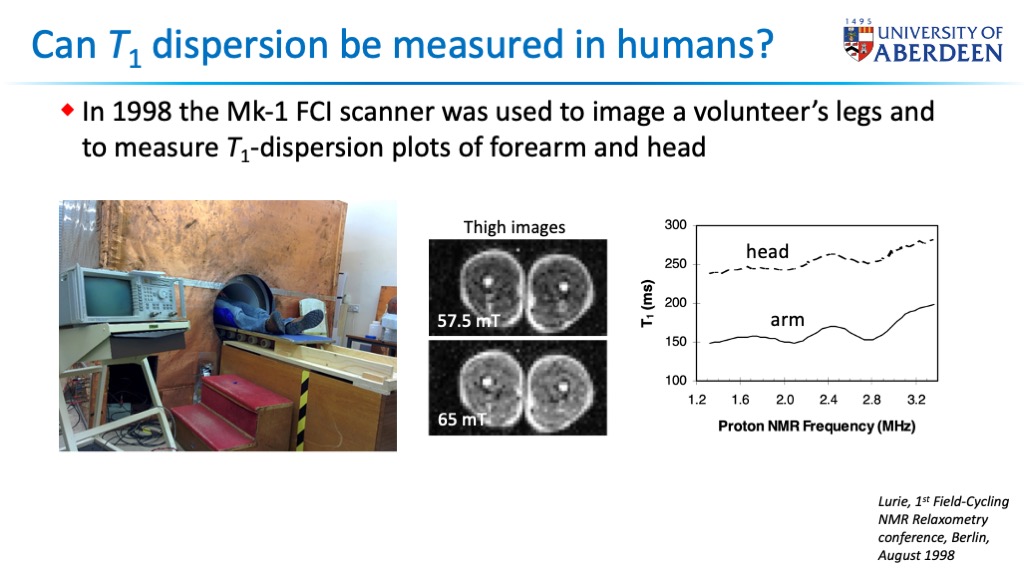
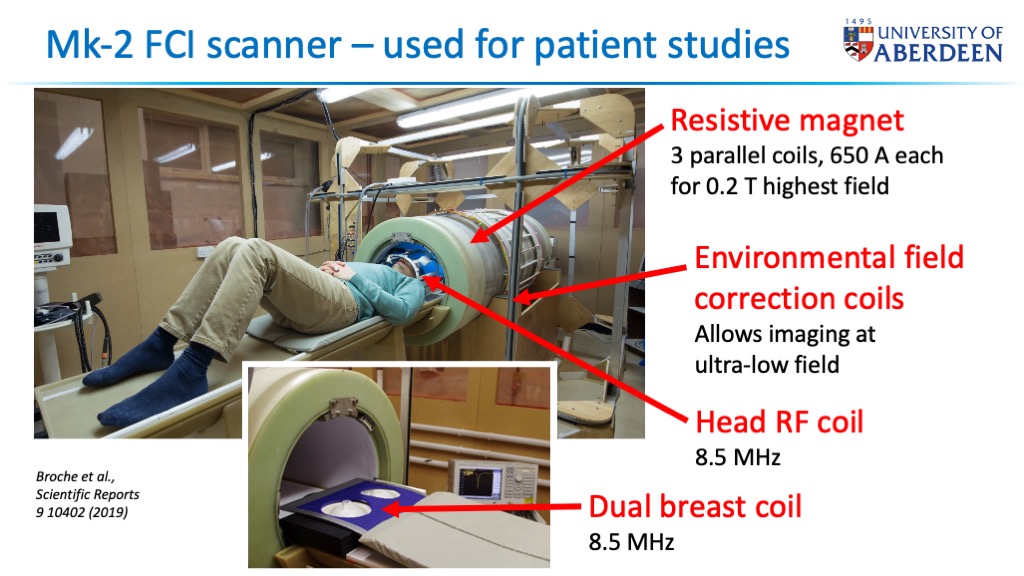
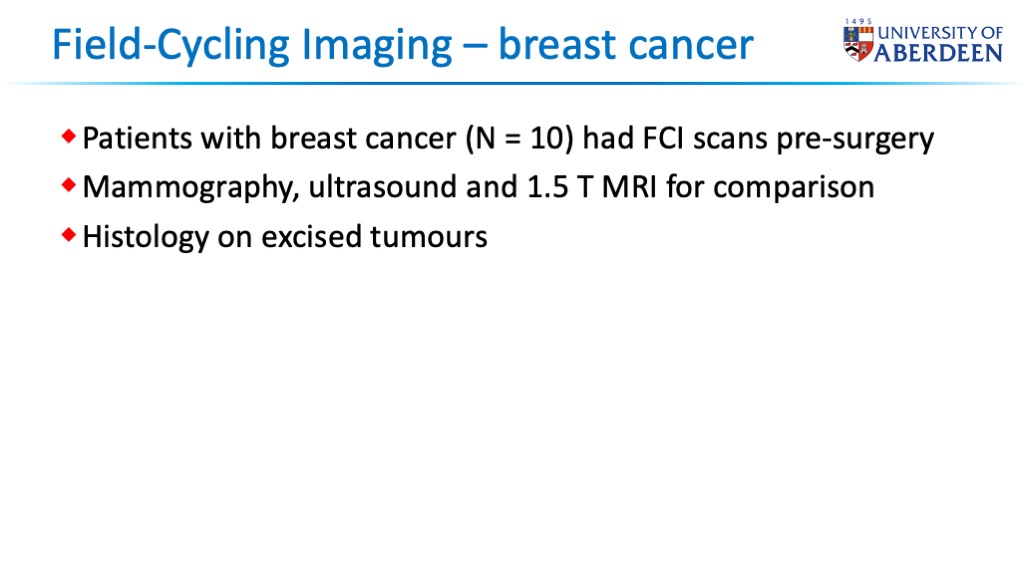
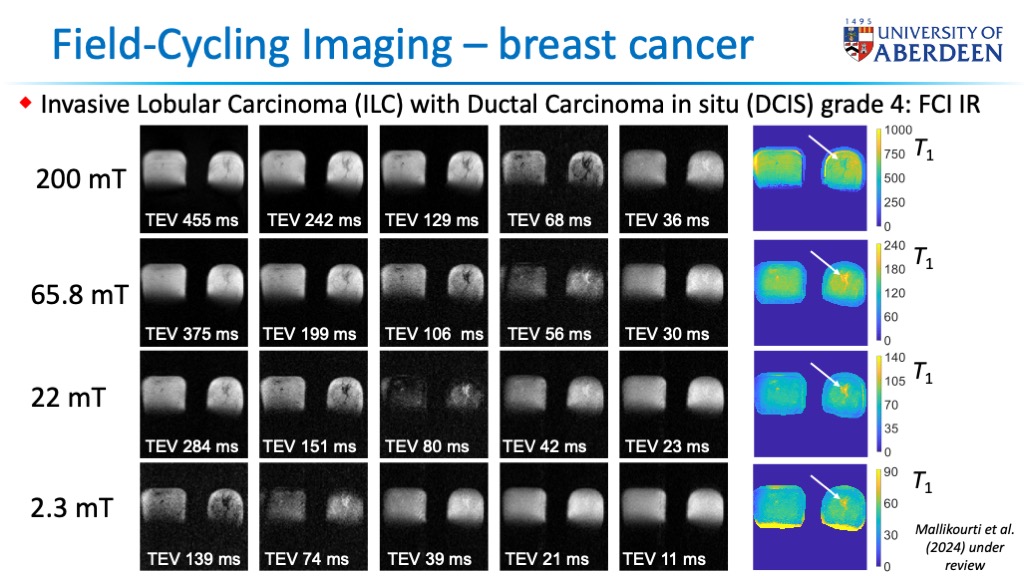
In the 1970s and early ‘80s all MRI was at low field, typically 0.15T or less; nevertheless, image contrast was high. Fischer et al. (MRM, 1990) used field-cycling relaxometry to measure NMR dispersion curves (R1 versus field strength) of brain grey and white matter over a wide range of field strengths, showing that endogenous contrast peaked around 0.2T. Dispersion curves are highly sensitive to molecular motion and changes in their shape provide new biomarkers of disease. Data obtained in vivo in patients with breast cancer will be shown, using Field-Cycling Imaging which is able to exploit R1 dispersion contrast. Slide #1
 Slide #2
 Slide #3
 Slide #4
 Slide #5
 Slide #6
 Slide #7
 Slide #8
 Slide #9
 Slide #10
 Slide #11
 Slide #12
 Slide #13
 Slide #14
 Slide #15
 Slide #16
 Slide #17
 Slide #18
 Slide #19
 Slide #20
 Slide #21
 Slide #22
 Slide #23
 Slide #24
 Slide #25
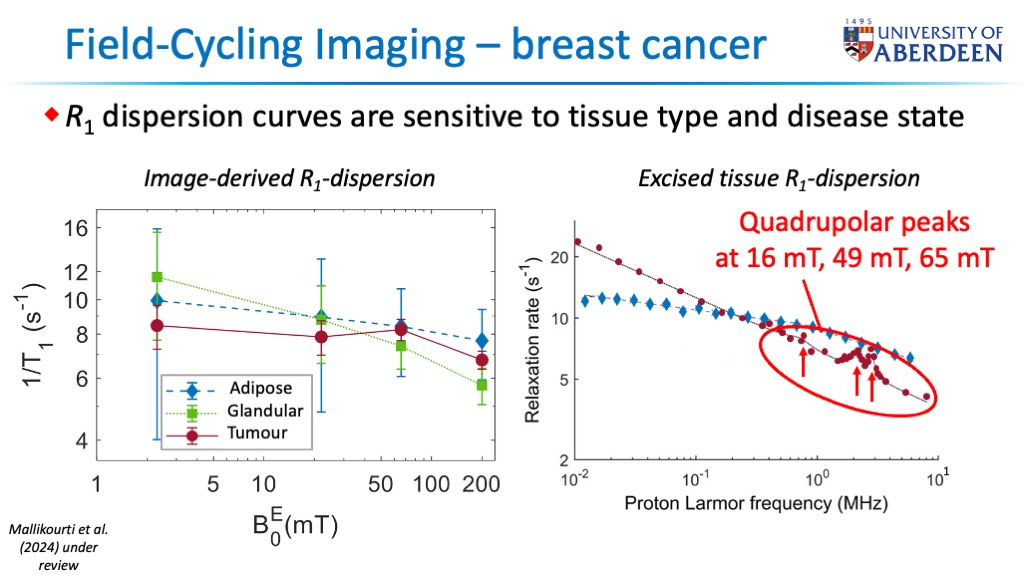 Slide #26
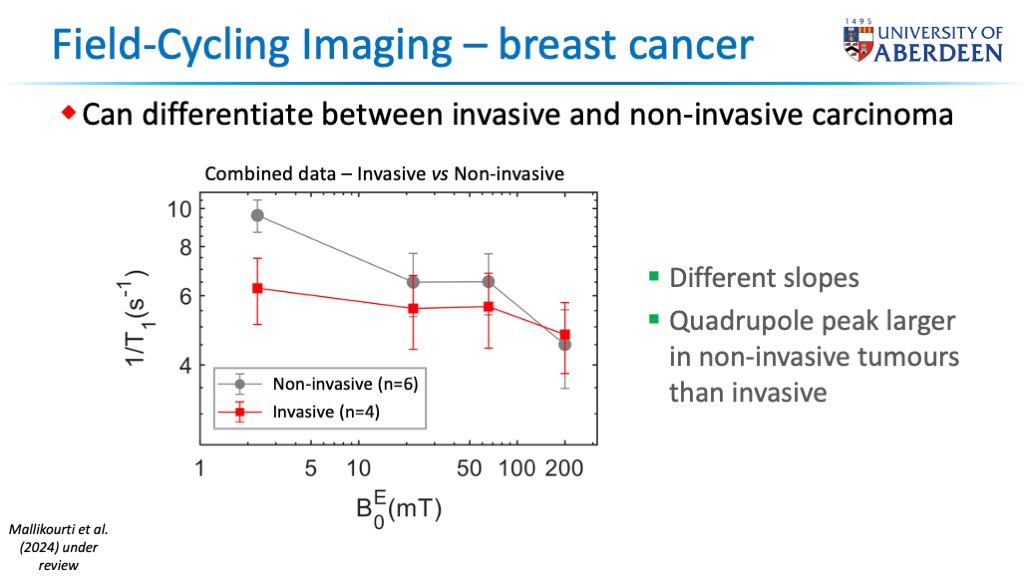 Slide #27
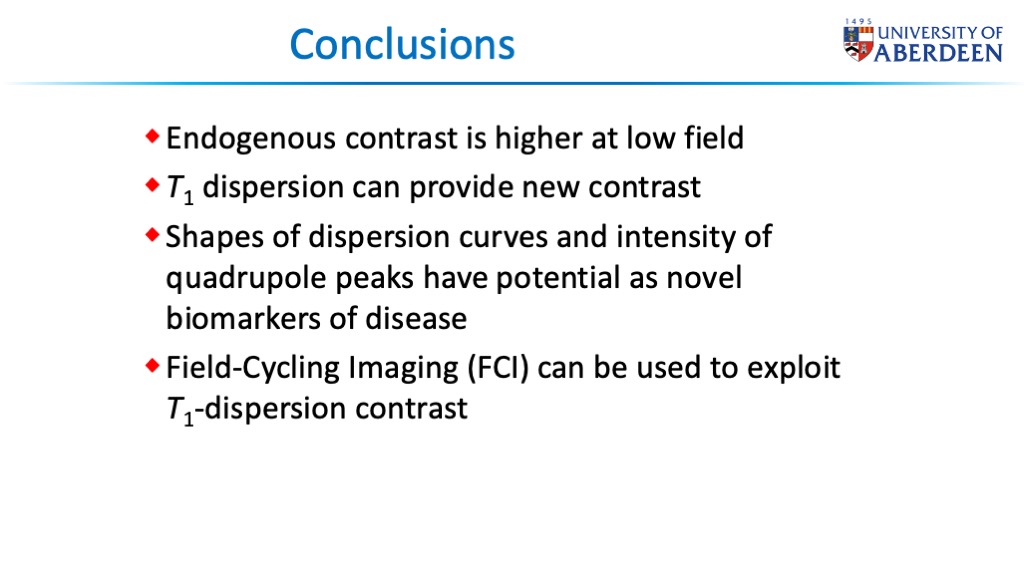 Slide #28