Post-Traumatic Stress Disorder (PTSD)
Osamu Abe1
1The University of Tokyo, Japan
1The University of Tokyo, Japan
Synopsis
Keywords: Neuro: Brain, Neuro: Brain Connectivity
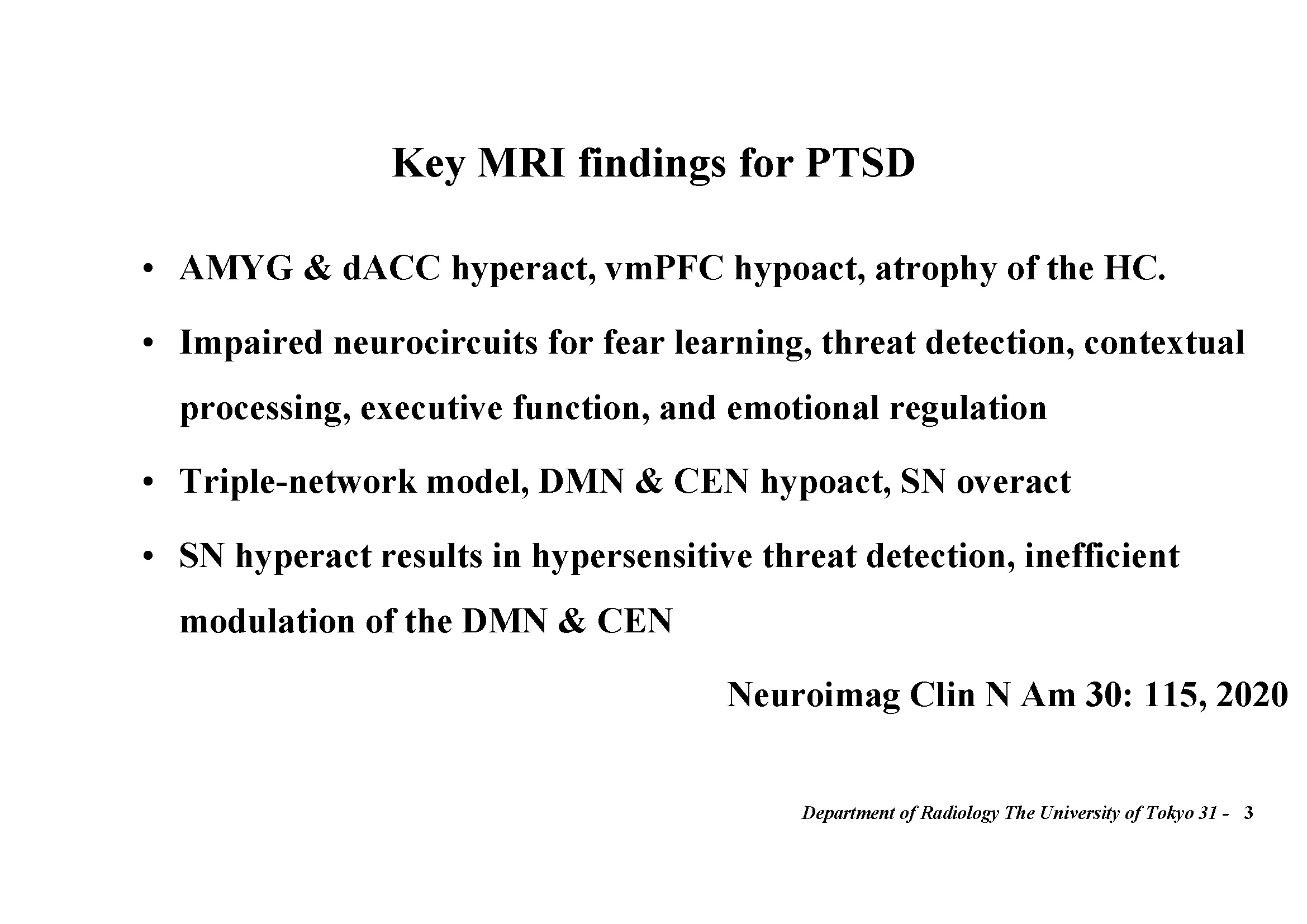
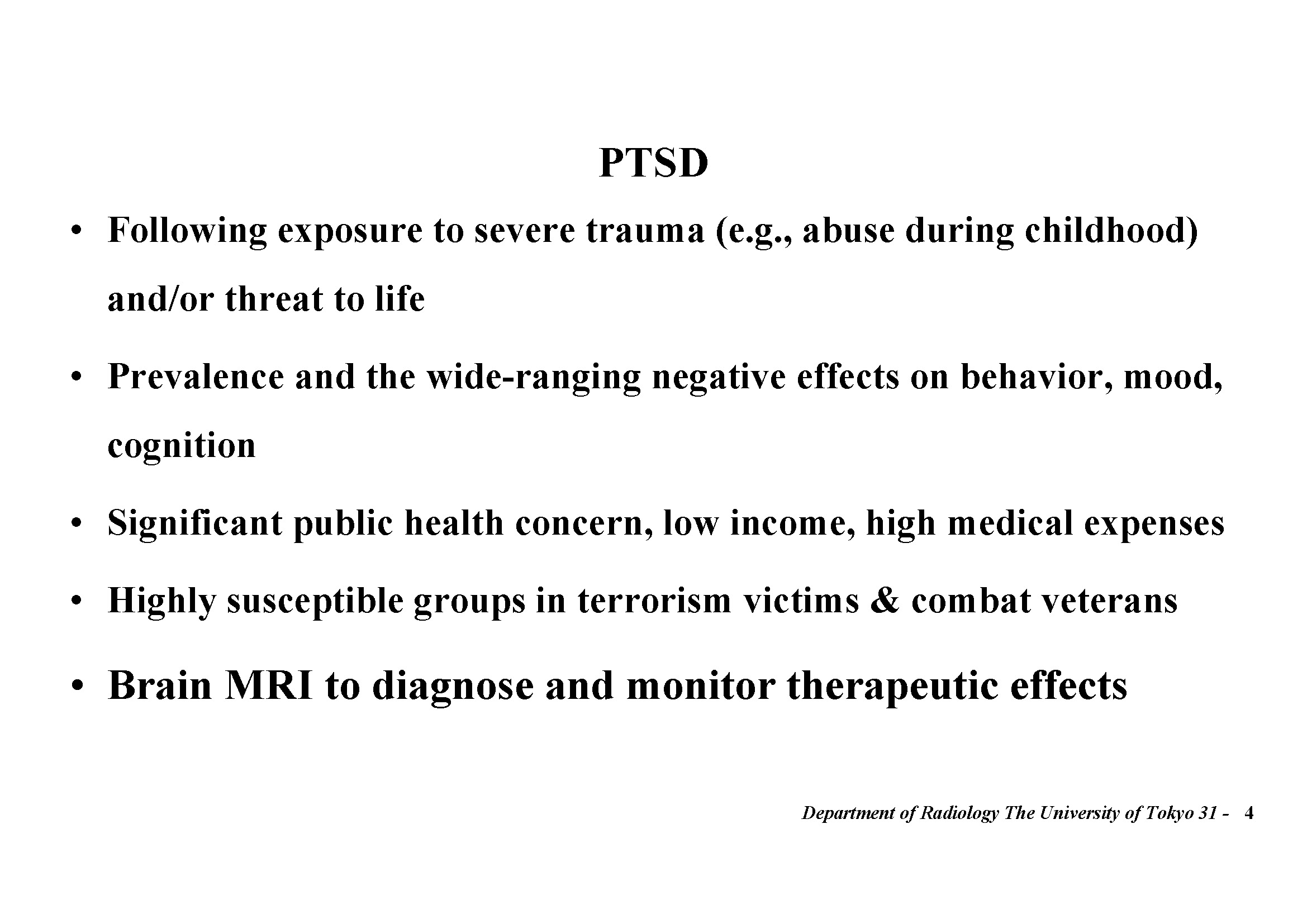
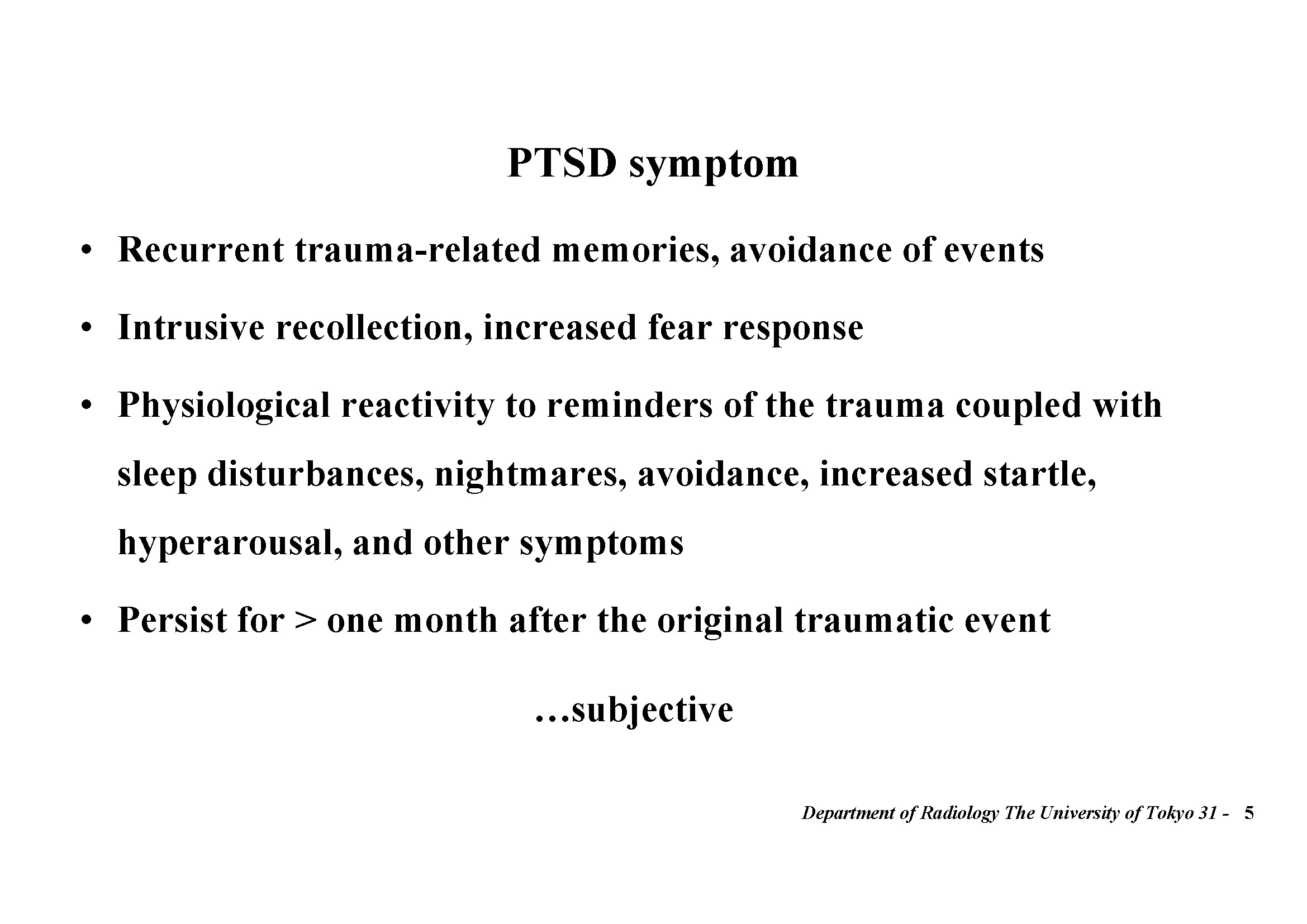
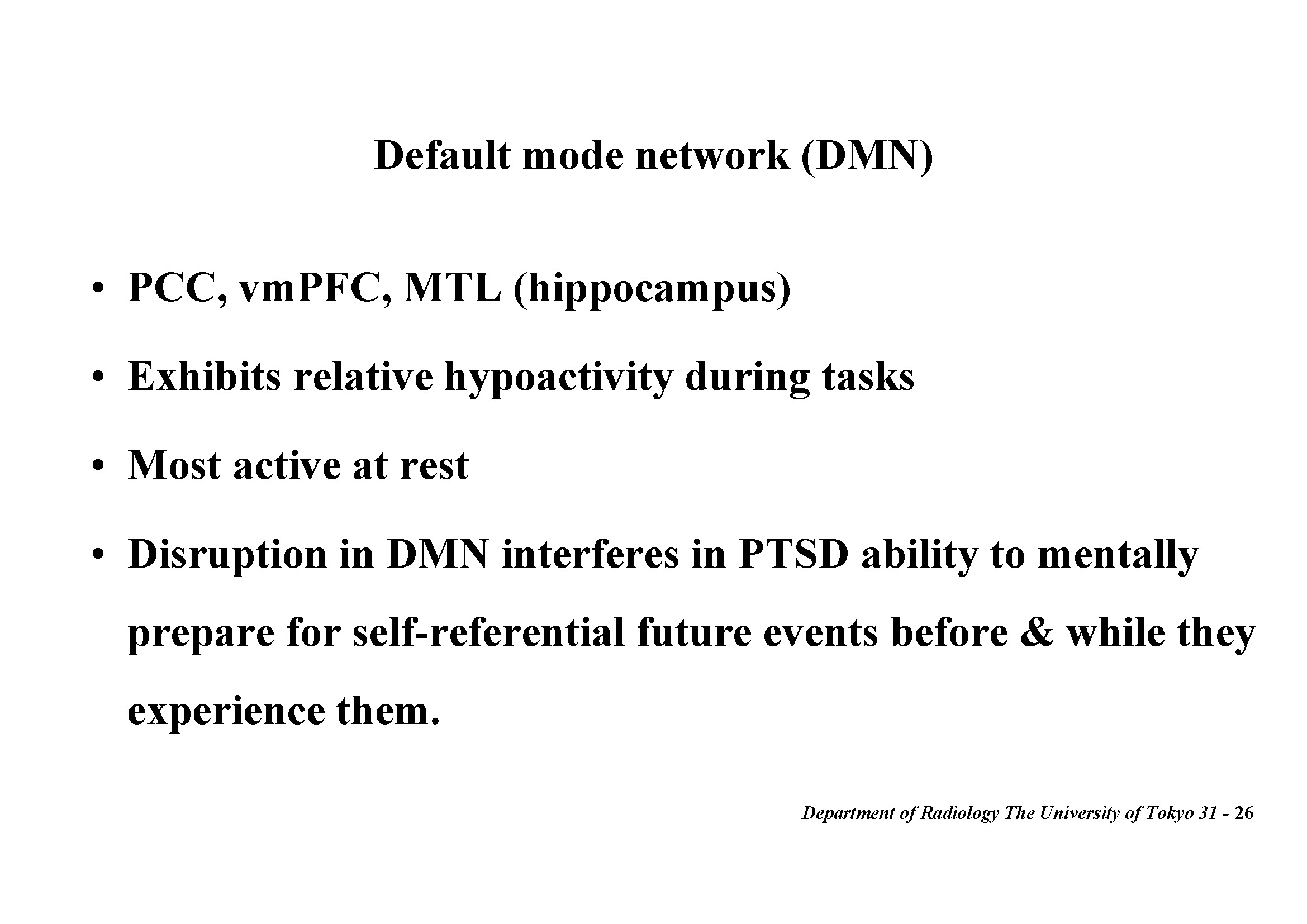
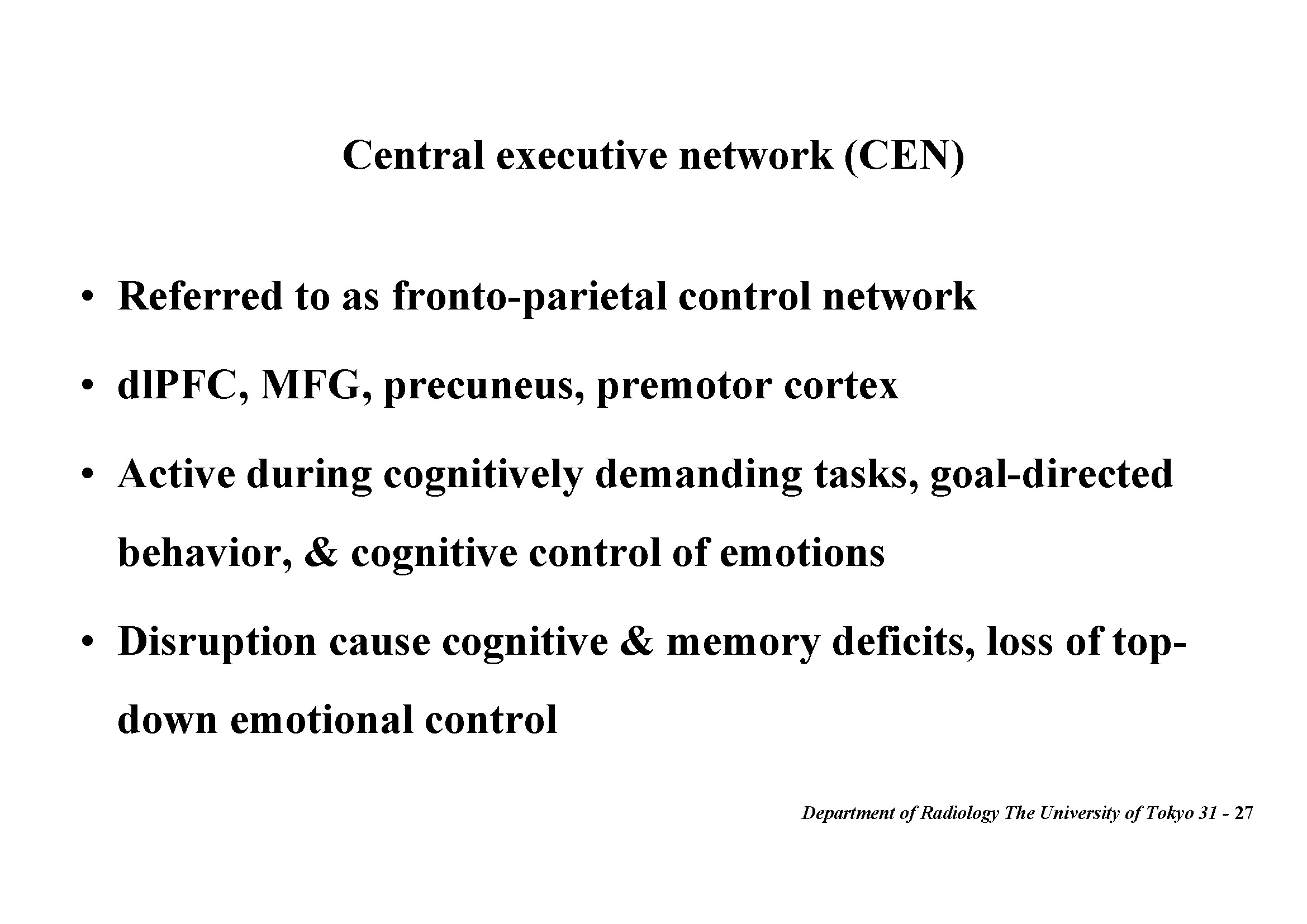
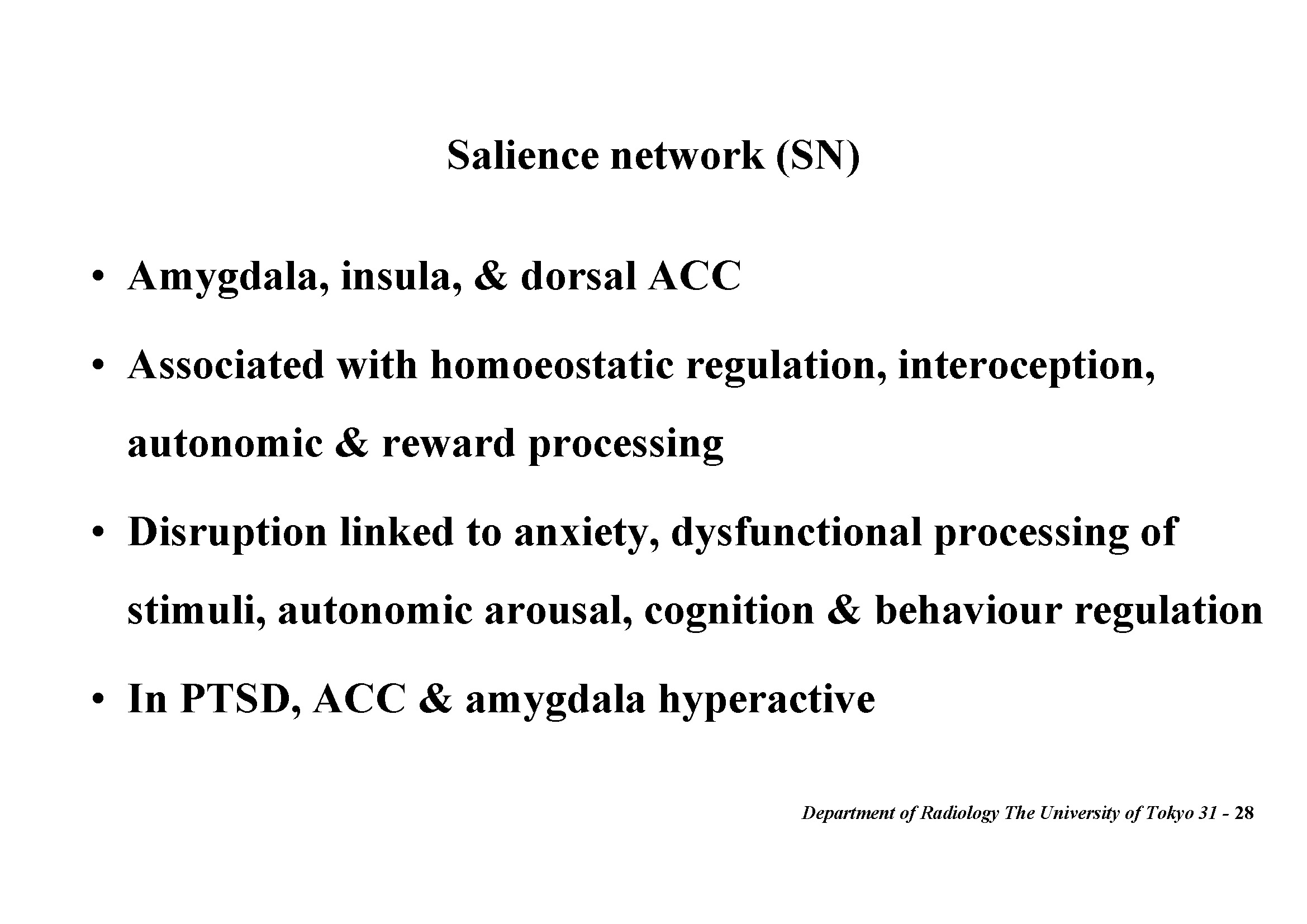
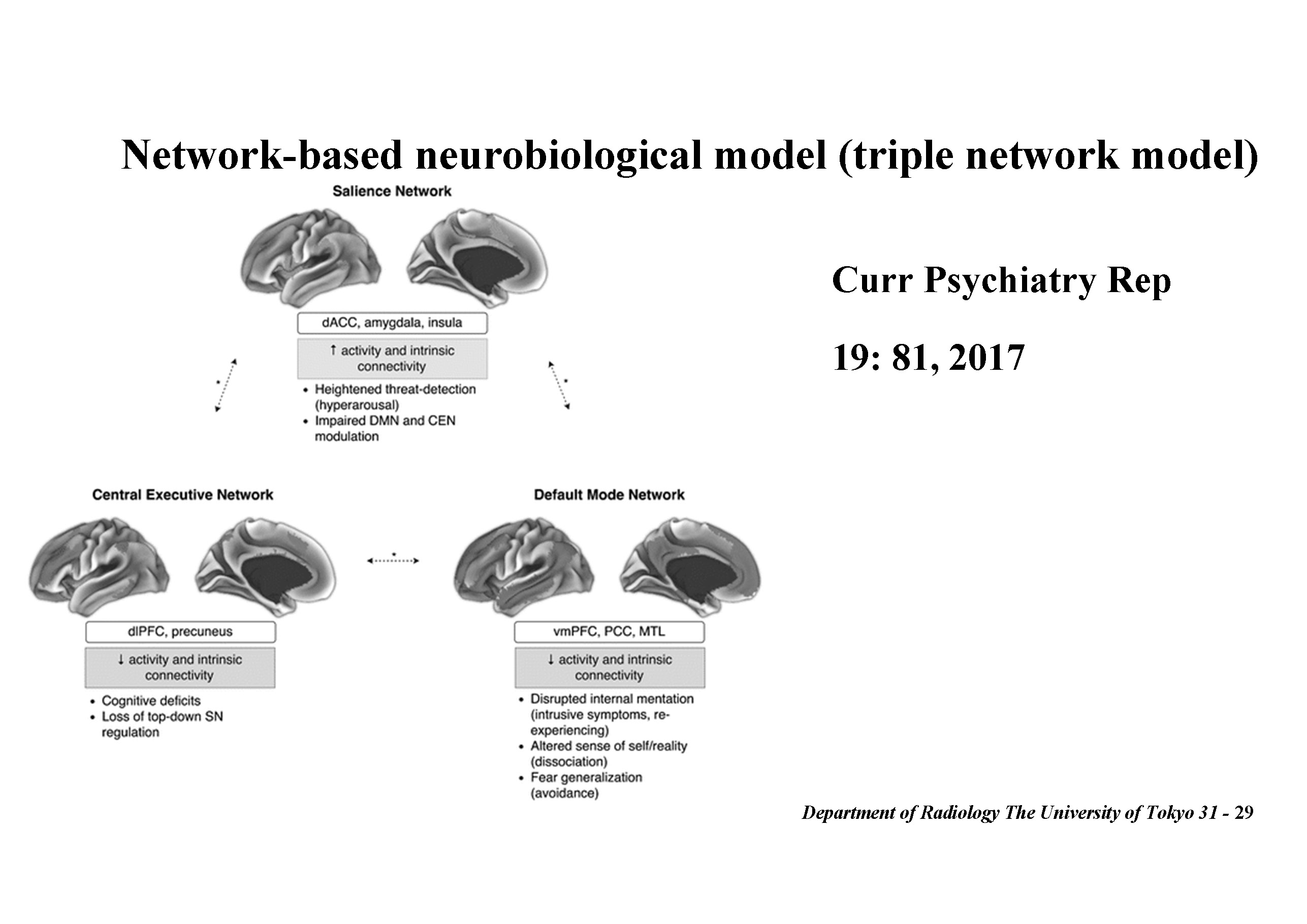
The most robustly identified findings in PTSD include hyperactivation of the amygdala and dorsal anterior cingulate cortex, hypoactivation of the ventromedial prefrontal cortex, and atrophy of the hippocampus. These brain changes are thought to impair fear learning, threat detection, contextual processing, executive function, and emotional regulation in PTSD. The triple-network model of PTSD proposes that the disorder is characterized by hypoactivation of the default mode network and central executive network and hyperactivation of the salience network (SN). This imbalance is thought to lead to the symptoms of PTSD, such as re-experiencing, avoidance, and negative alterations in mood and cognition. Slide #1
 Slide #2
 Slide #3
 Slide #4
 Slide #5
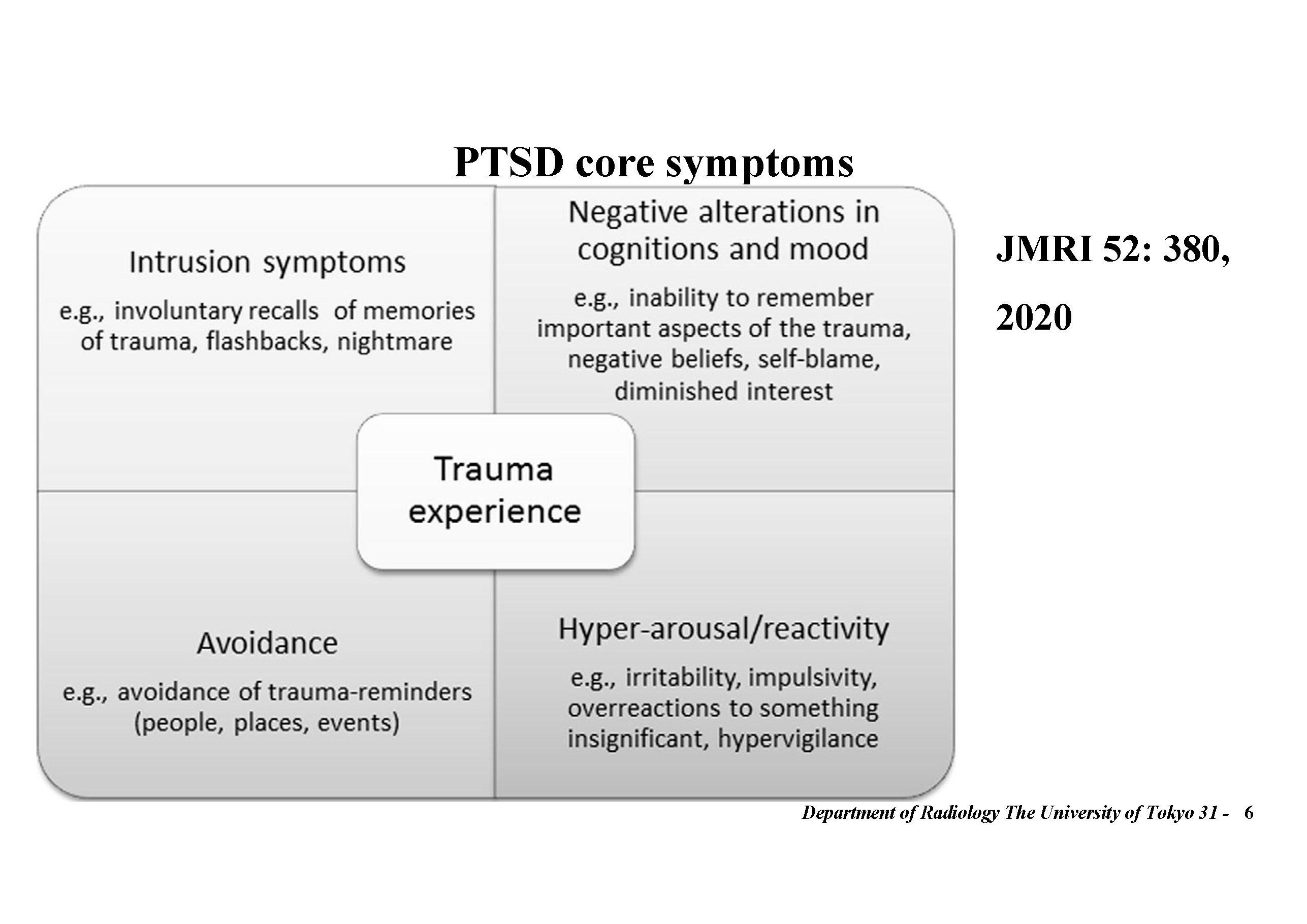 Slide #6
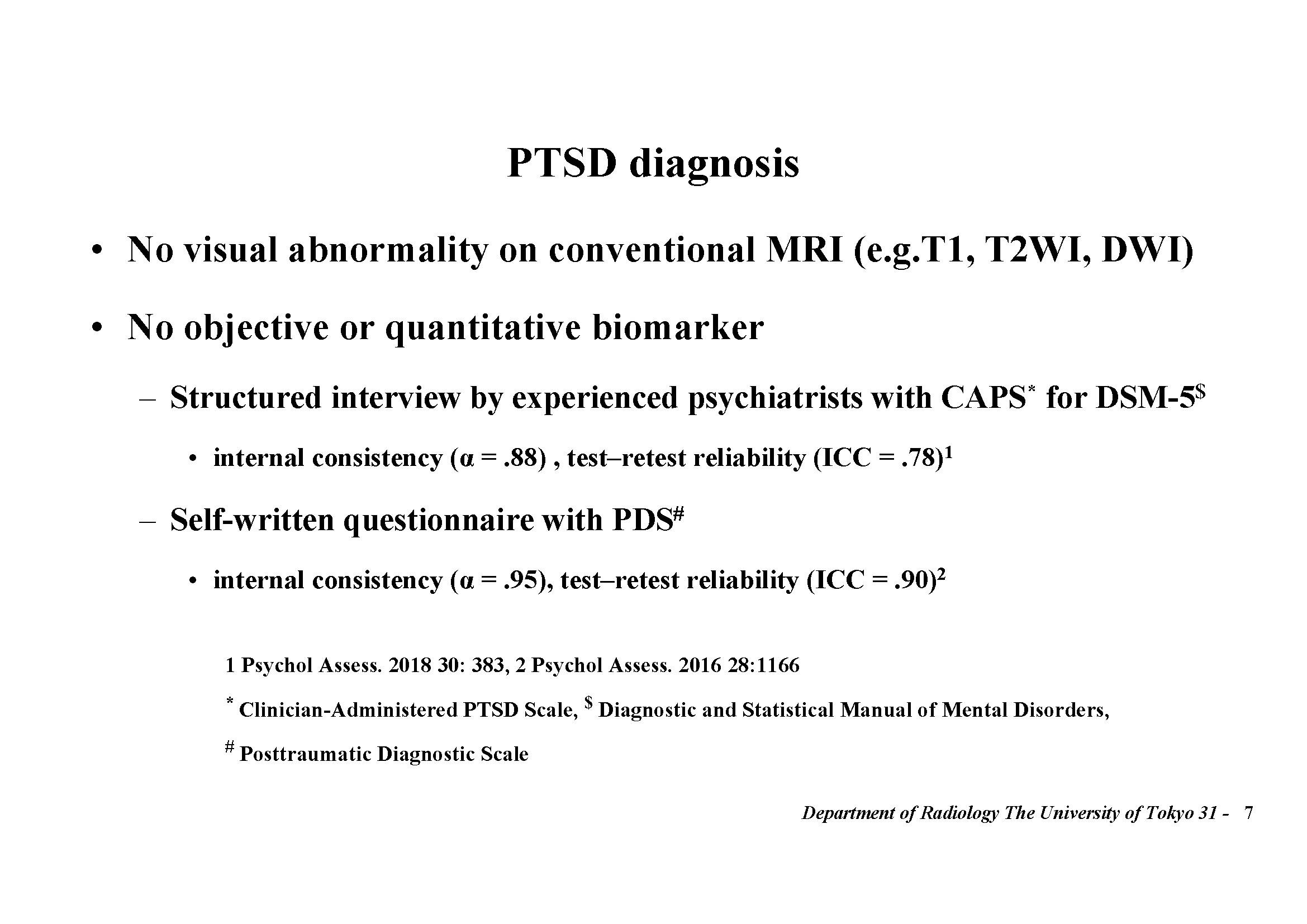 Slide #7
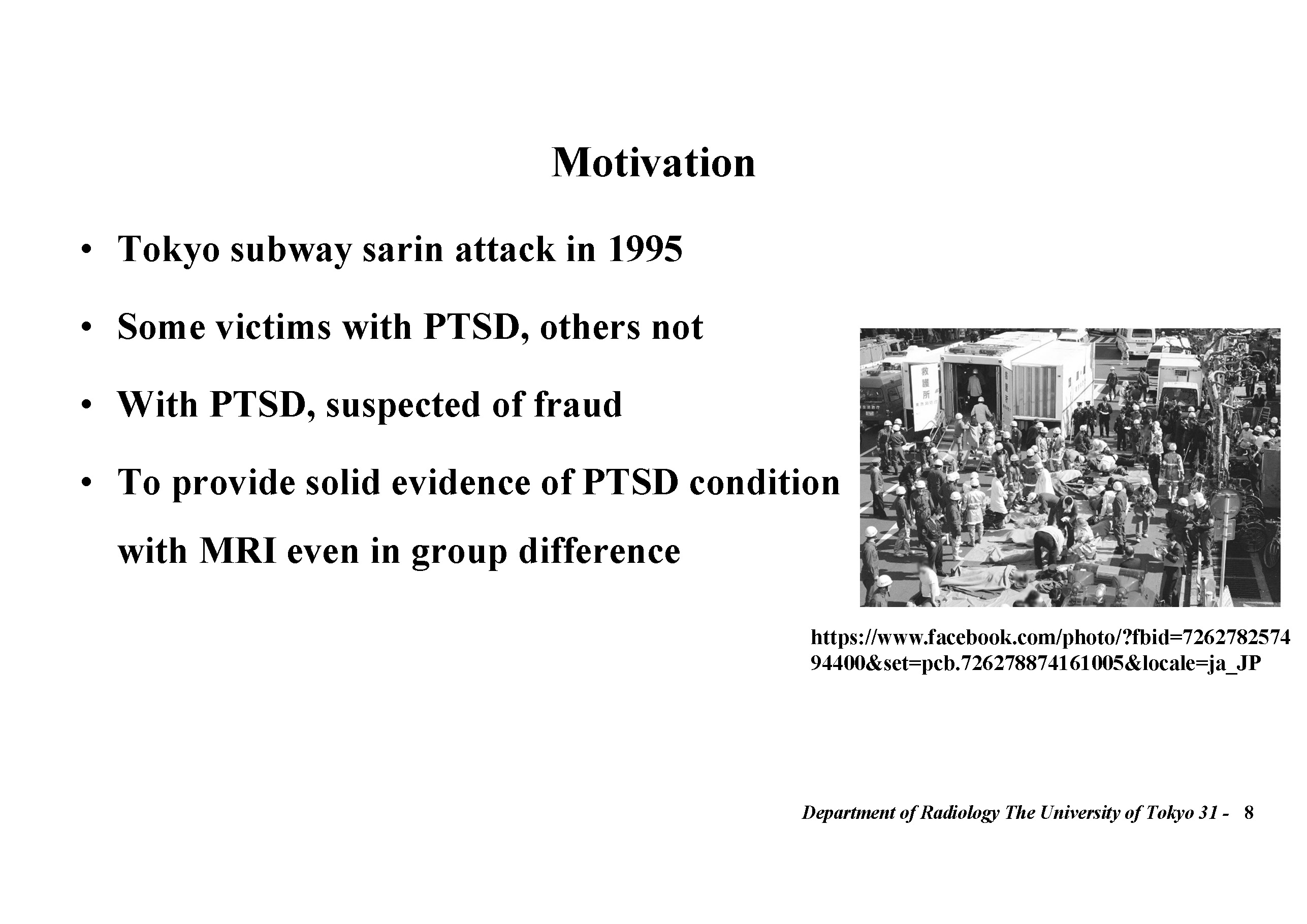 Slide #8
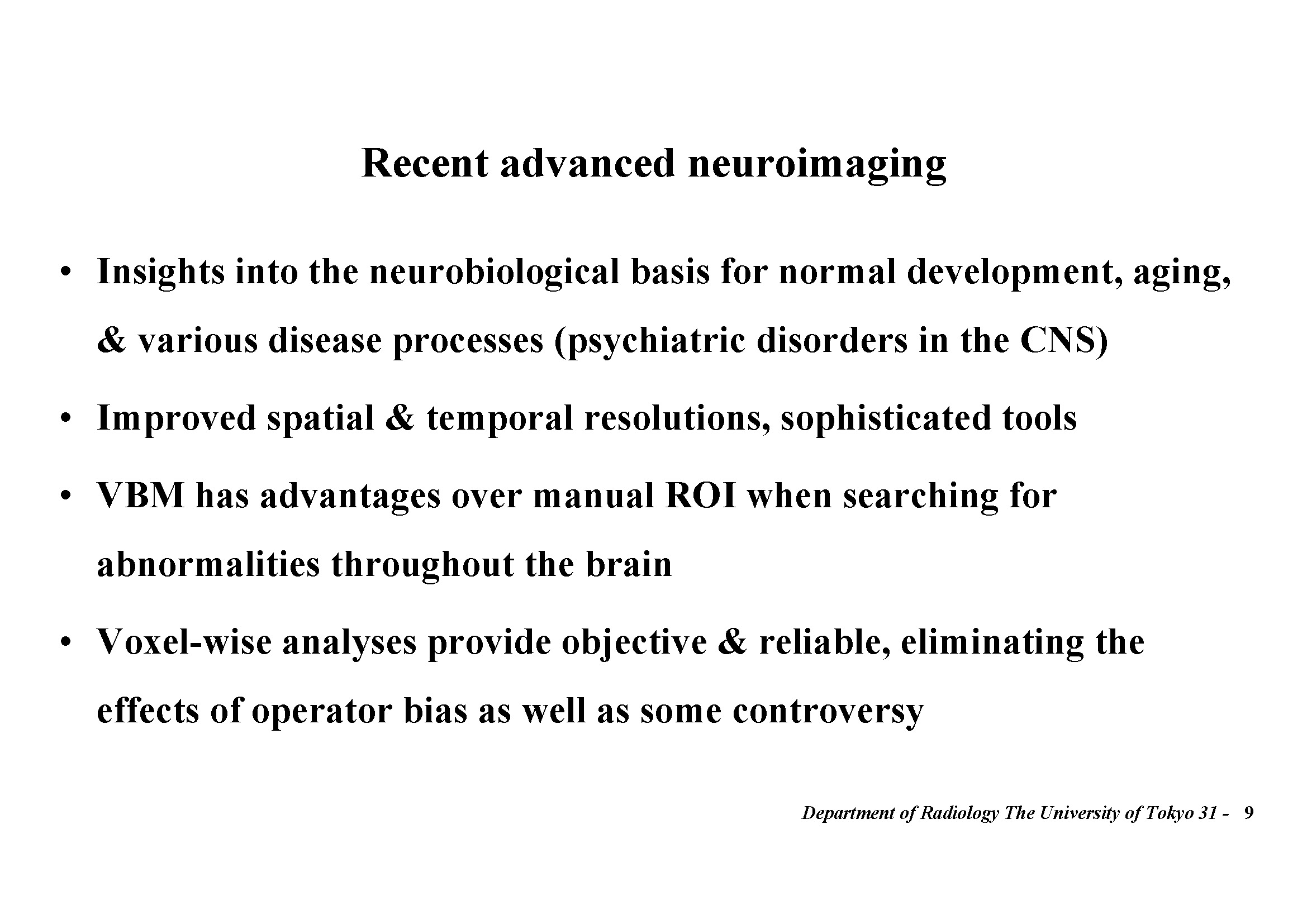 Slide #9
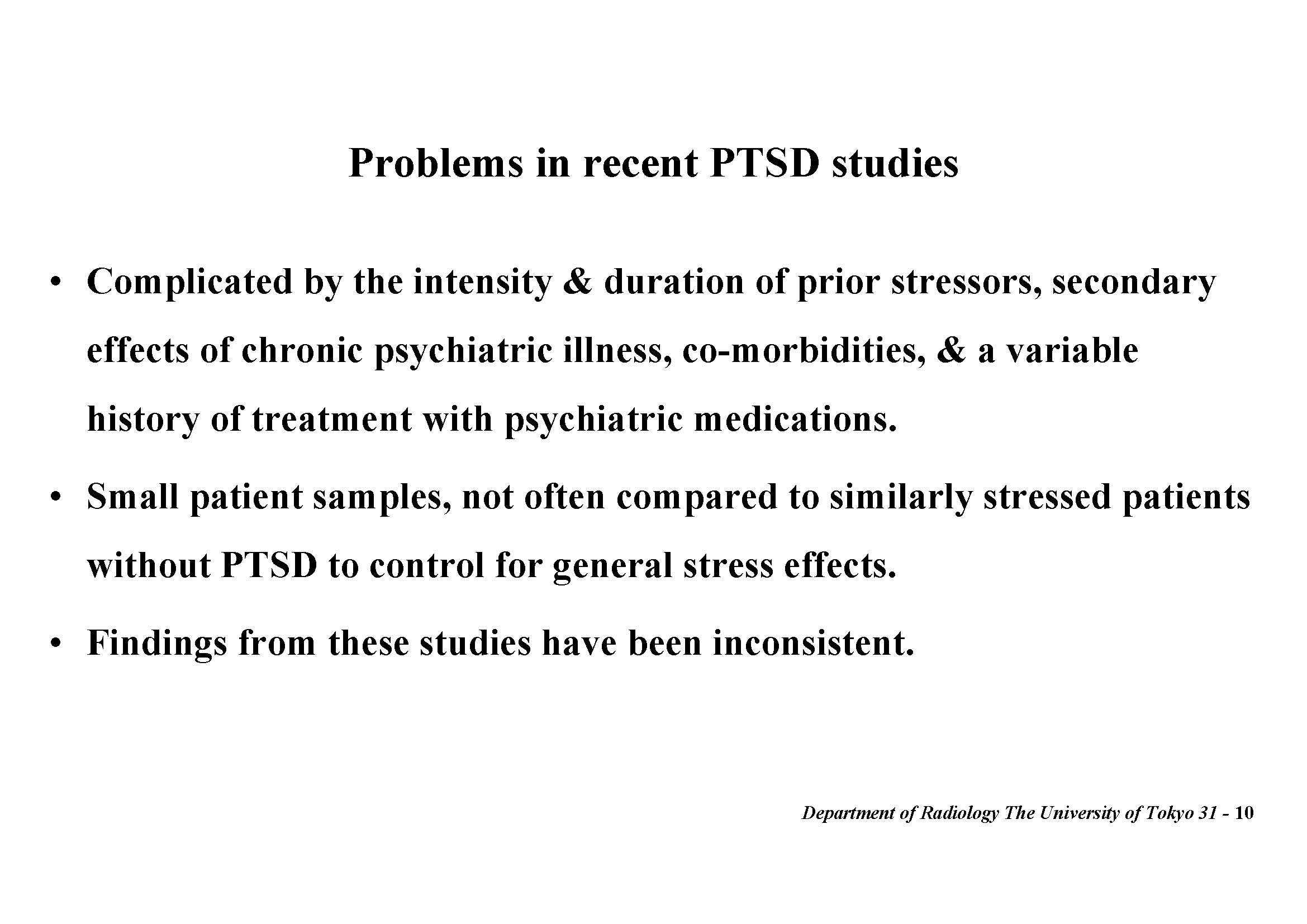 Slide #10
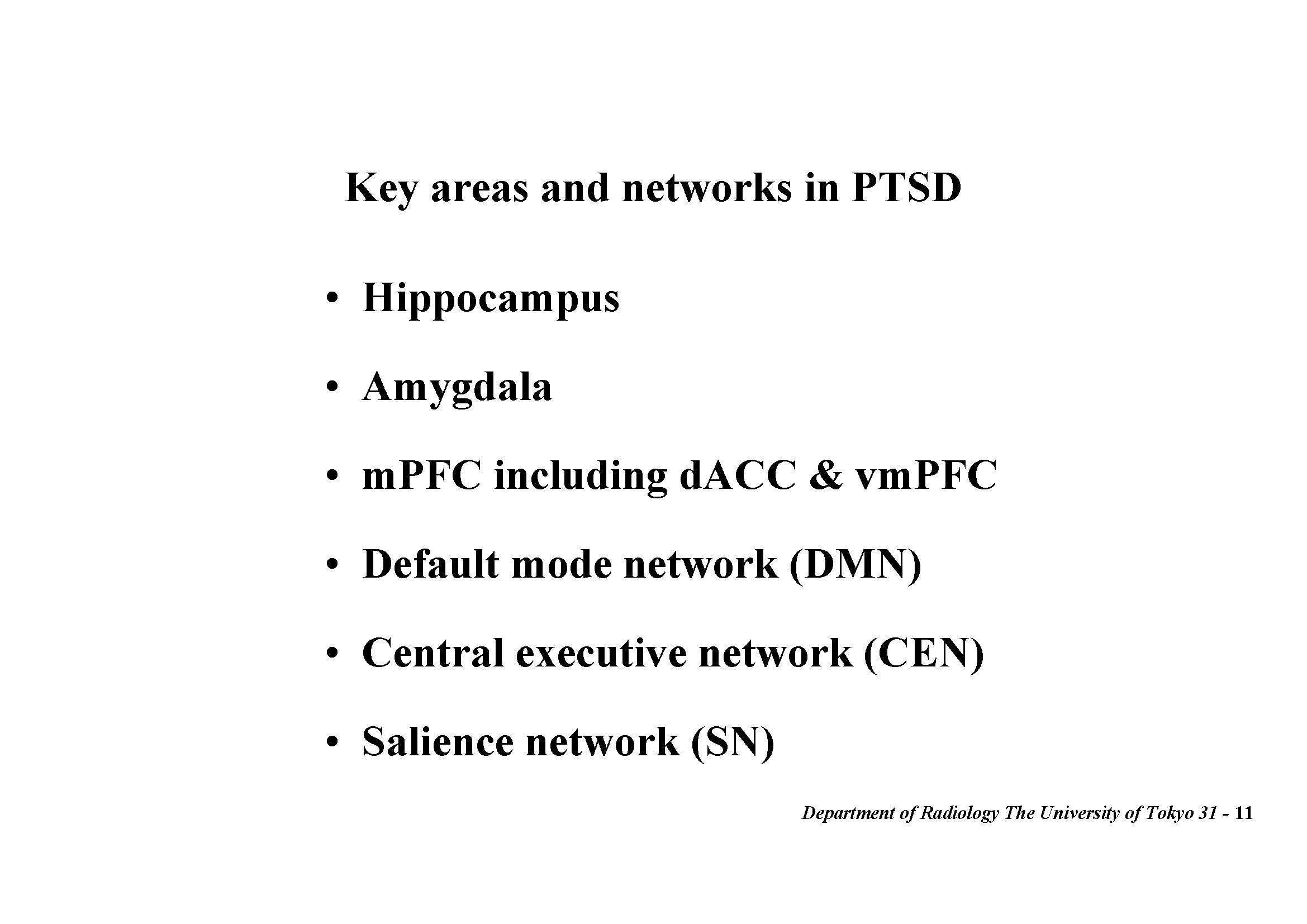 Slide #11
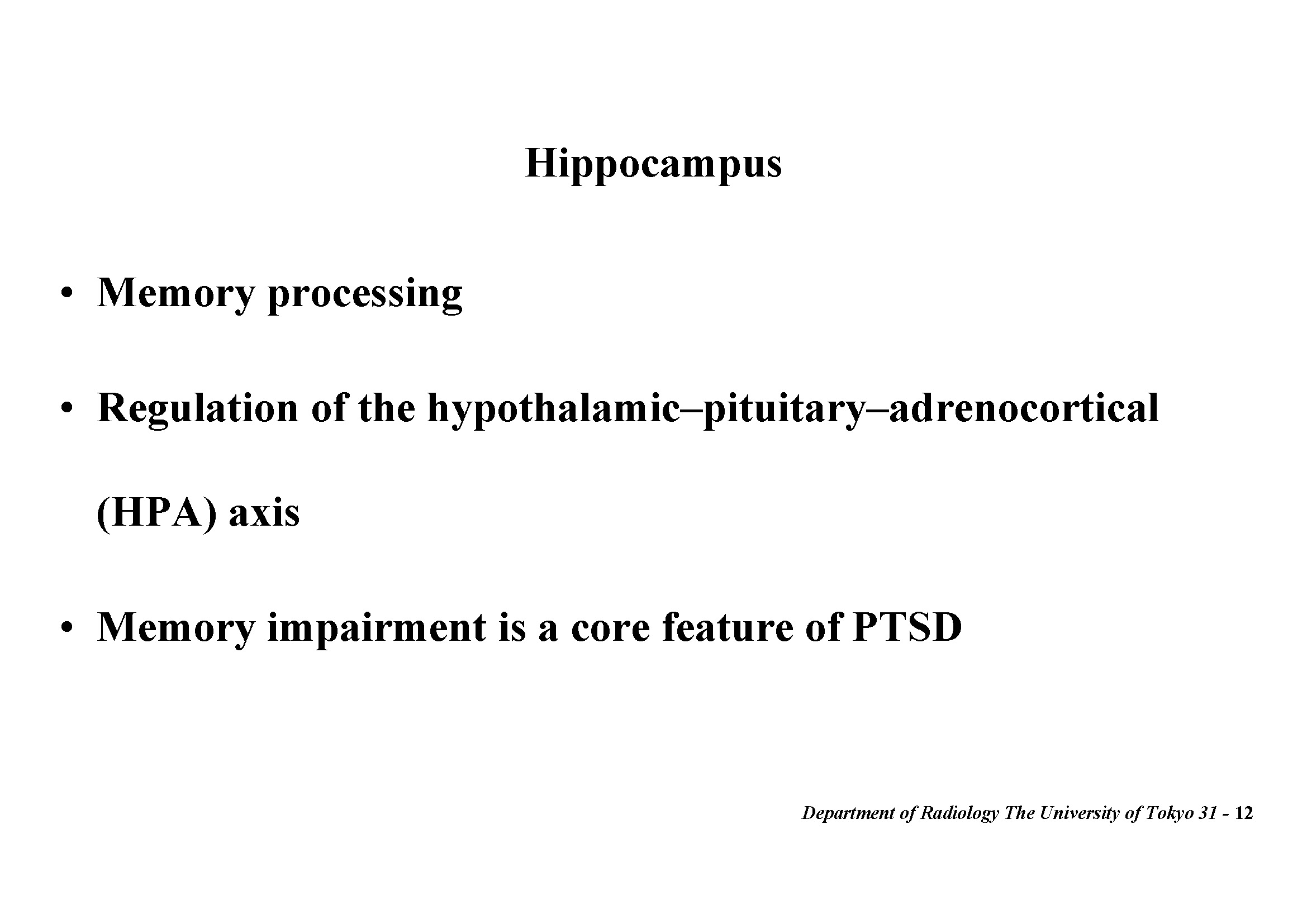 Slide #12
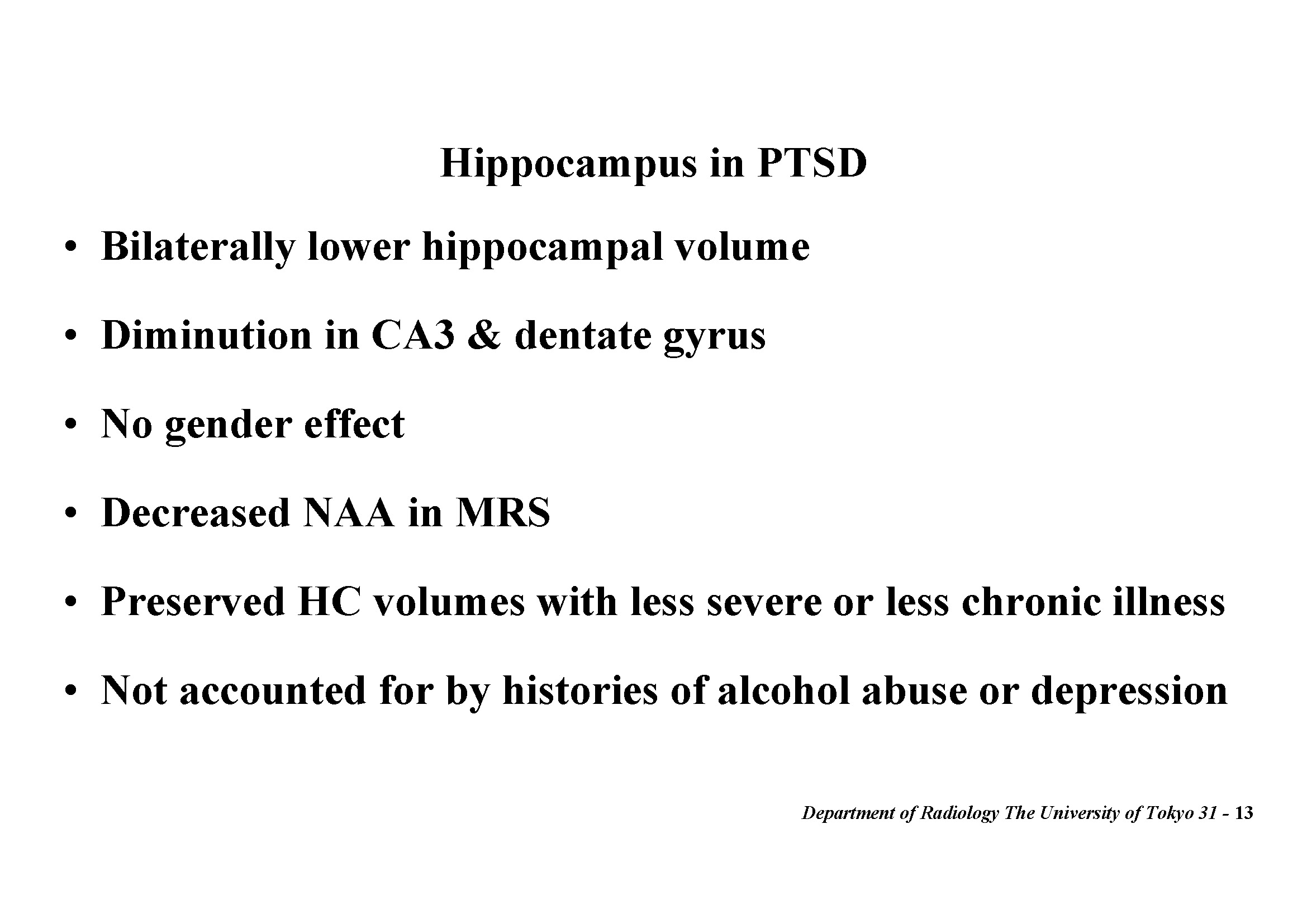 Slide #13
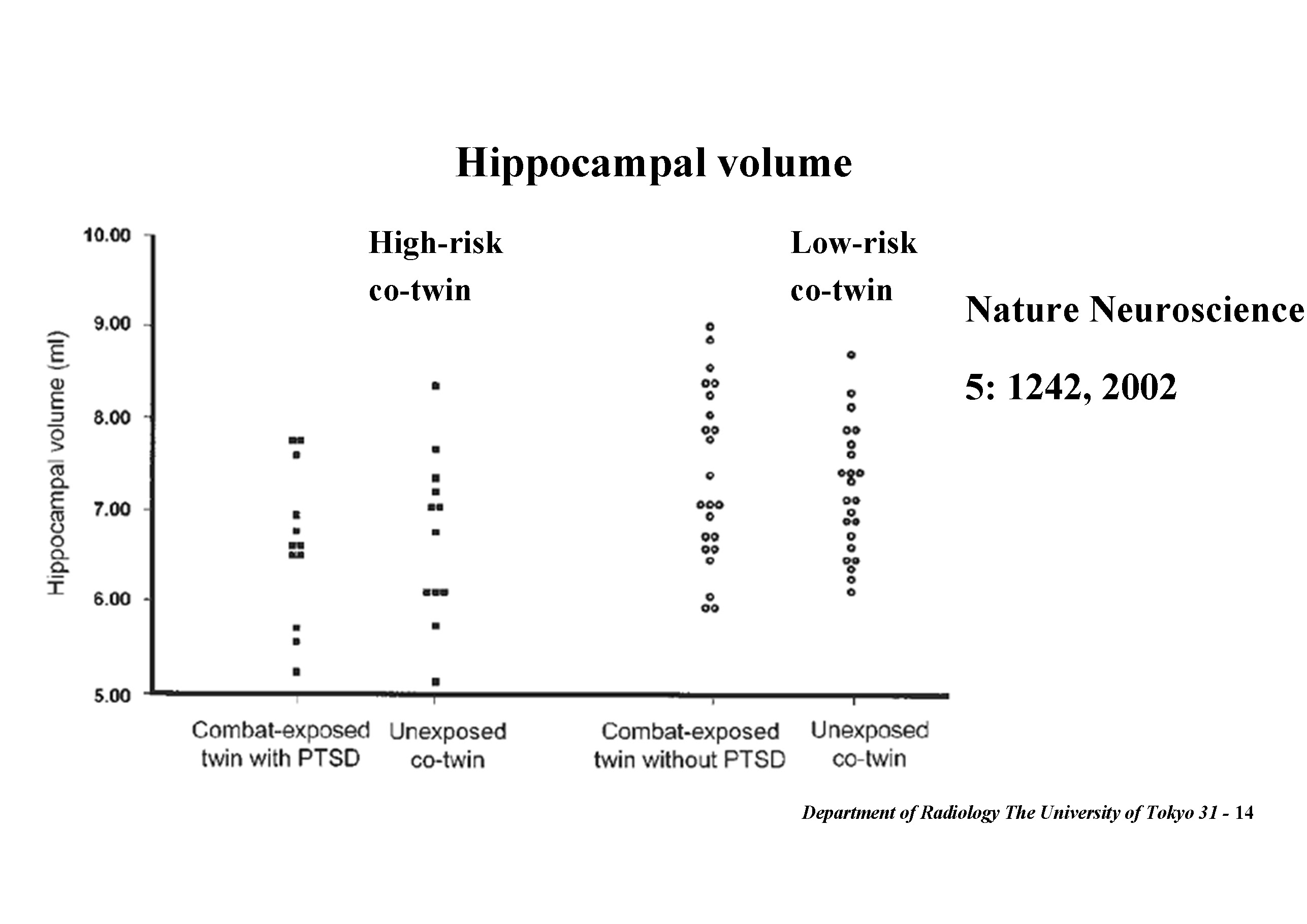 Slide #14
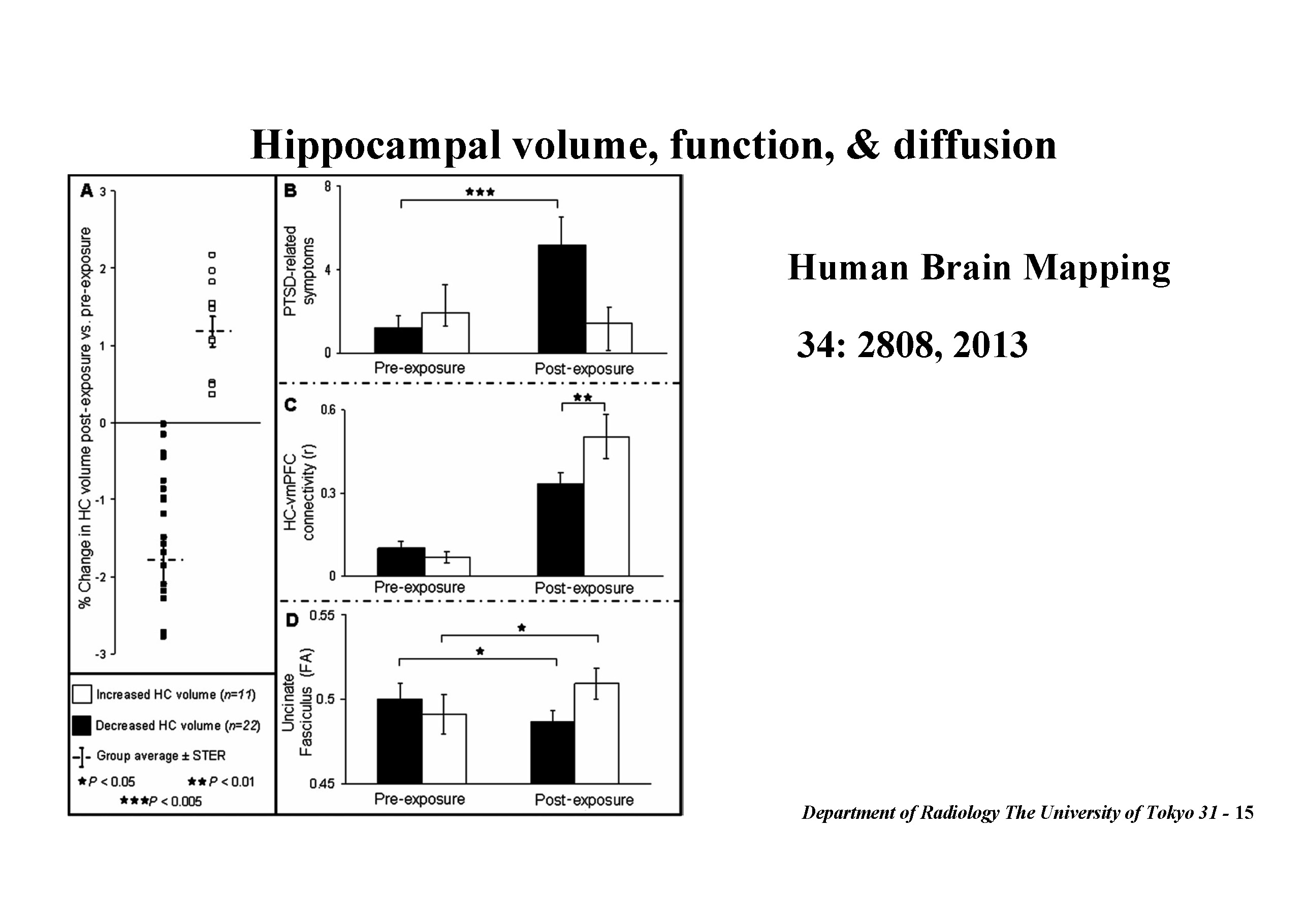 Slide #15
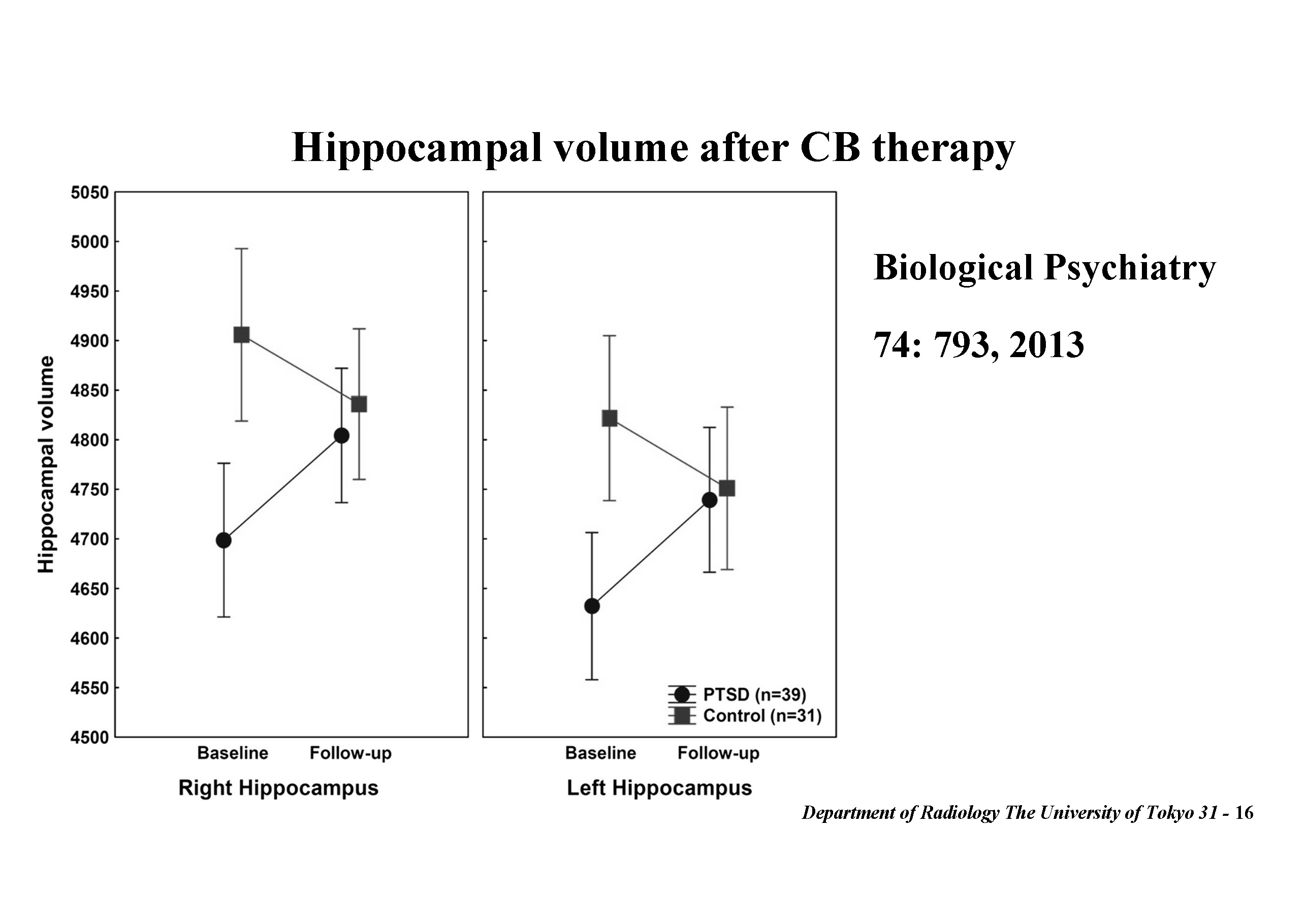 Slide #16
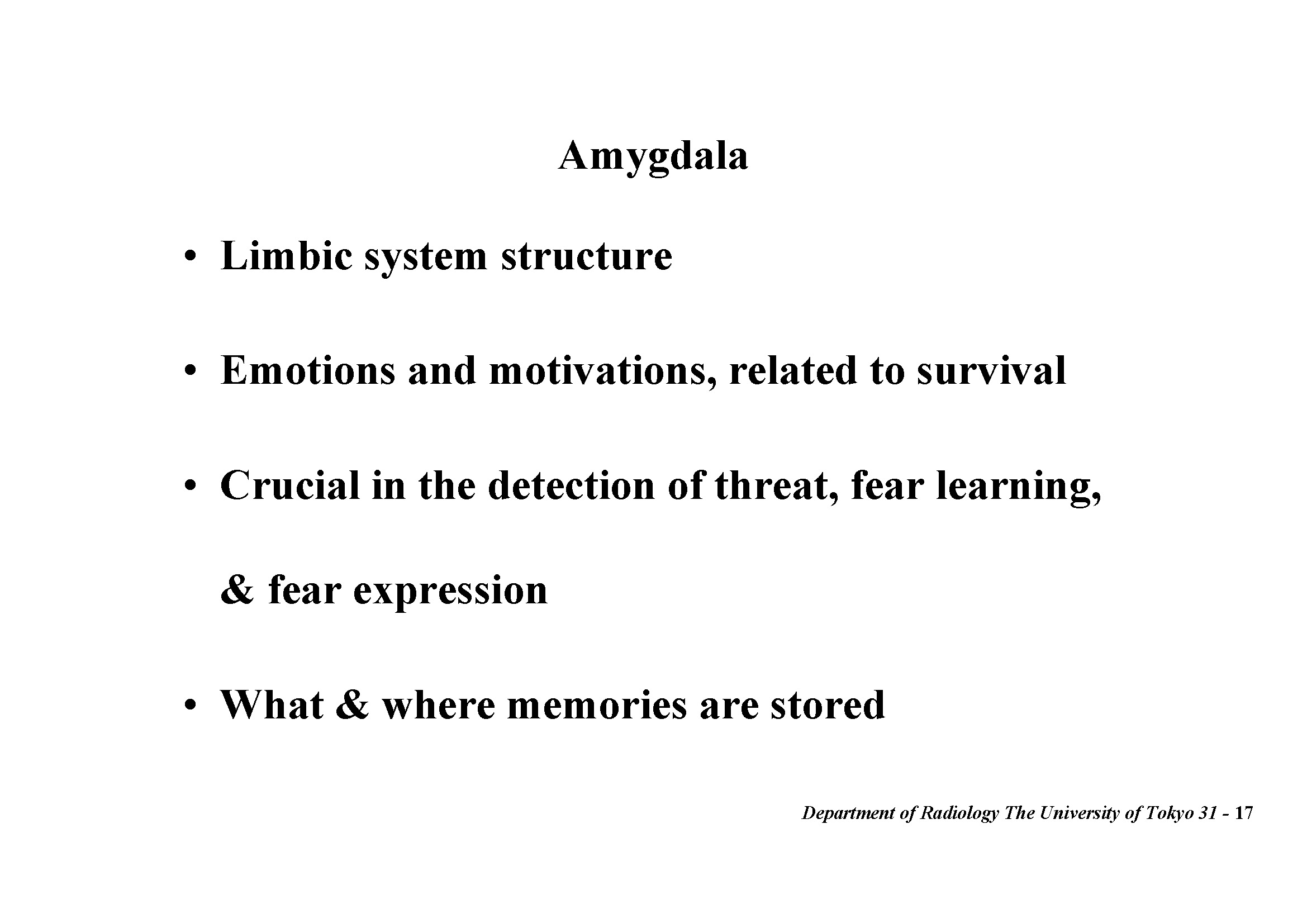 Slide #17
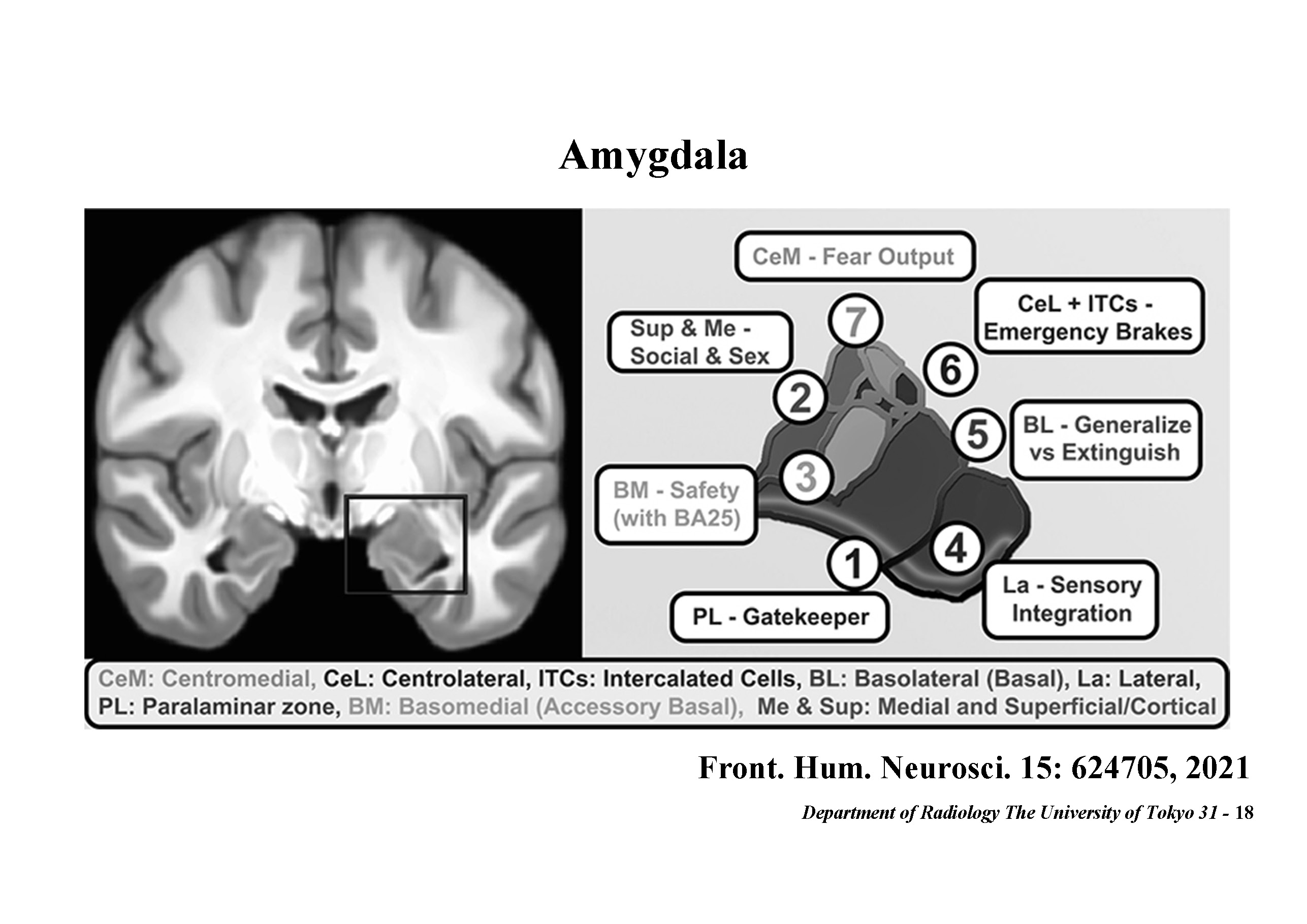 Slide #18
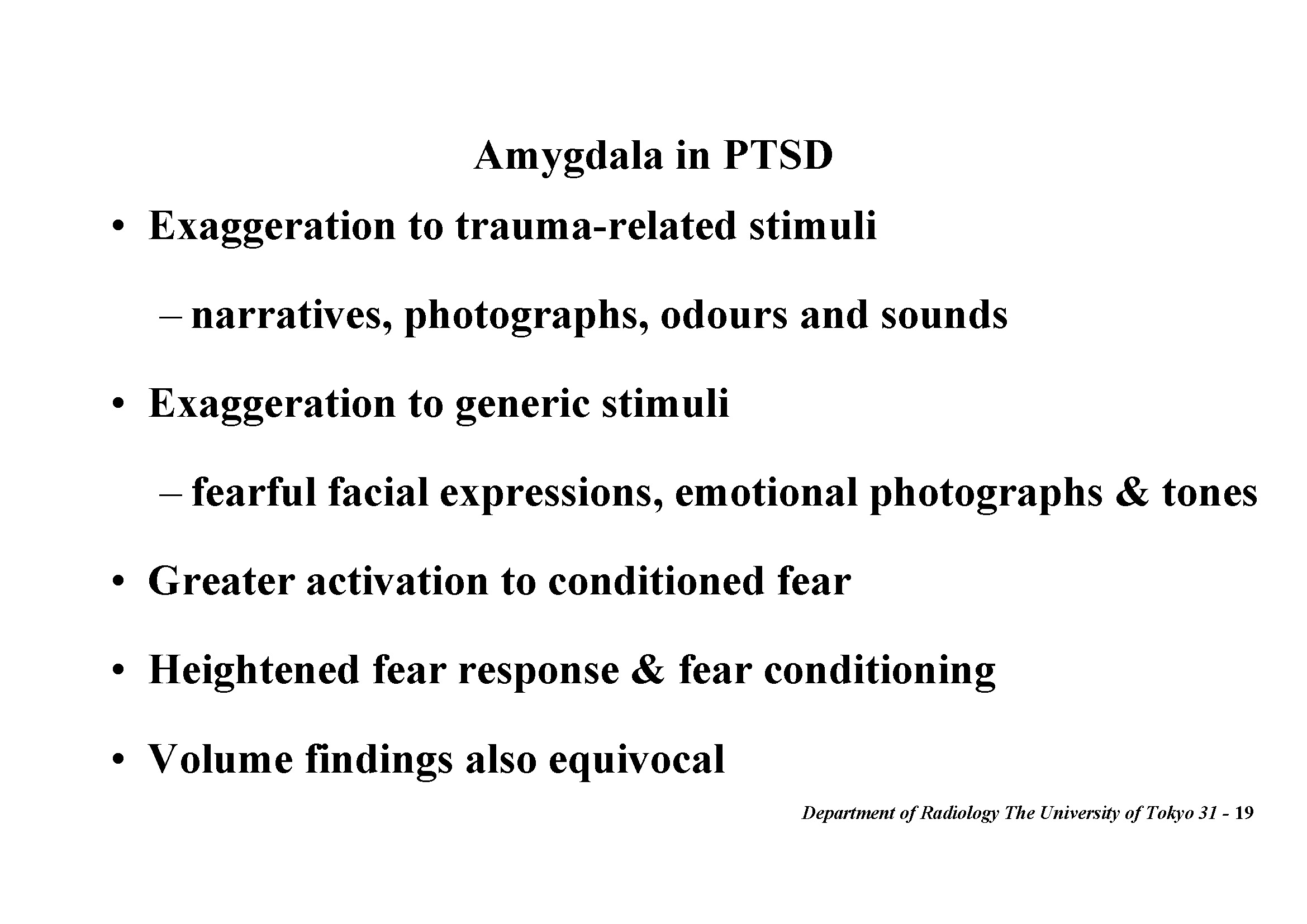 Slide #19
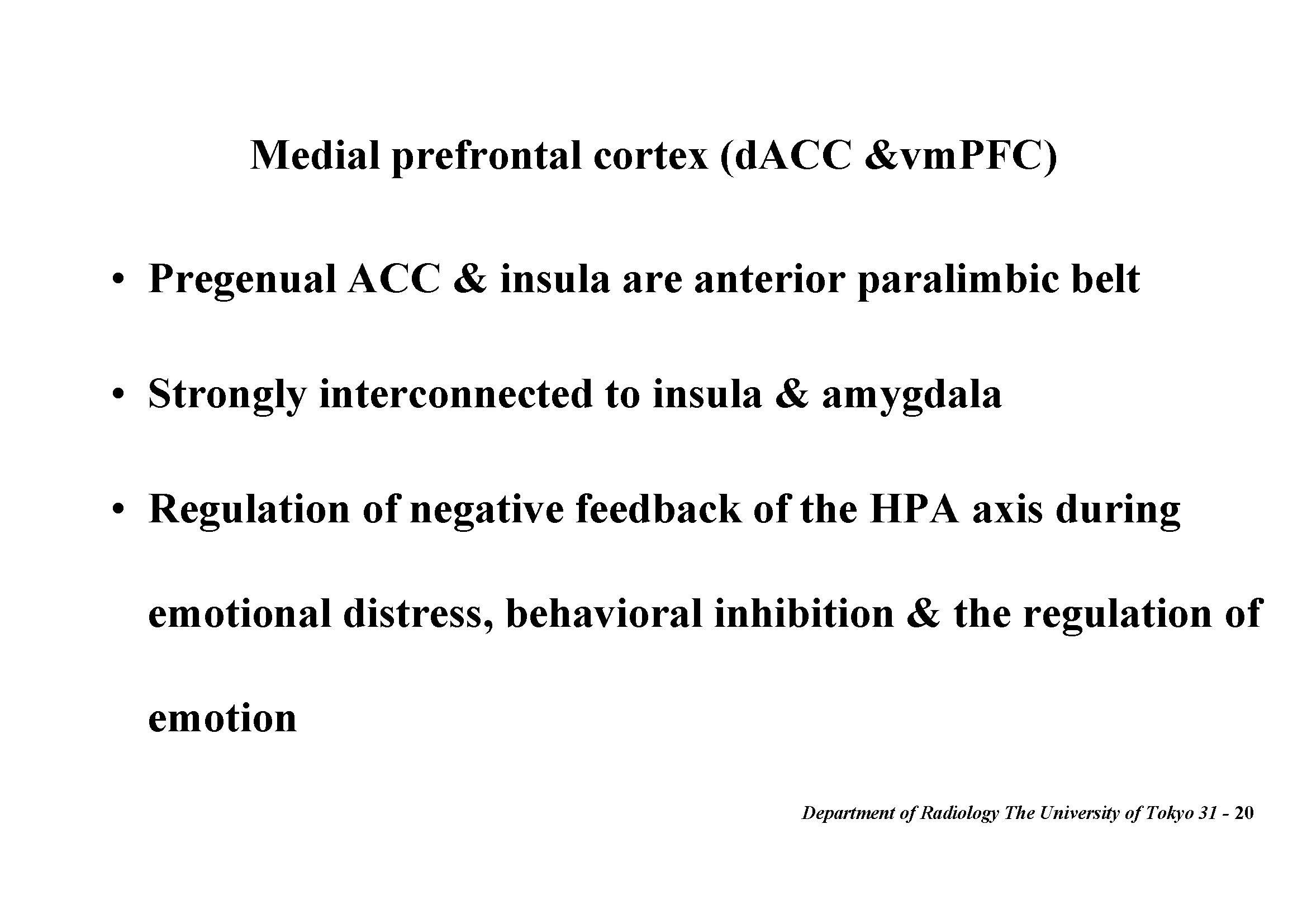 Slide #20
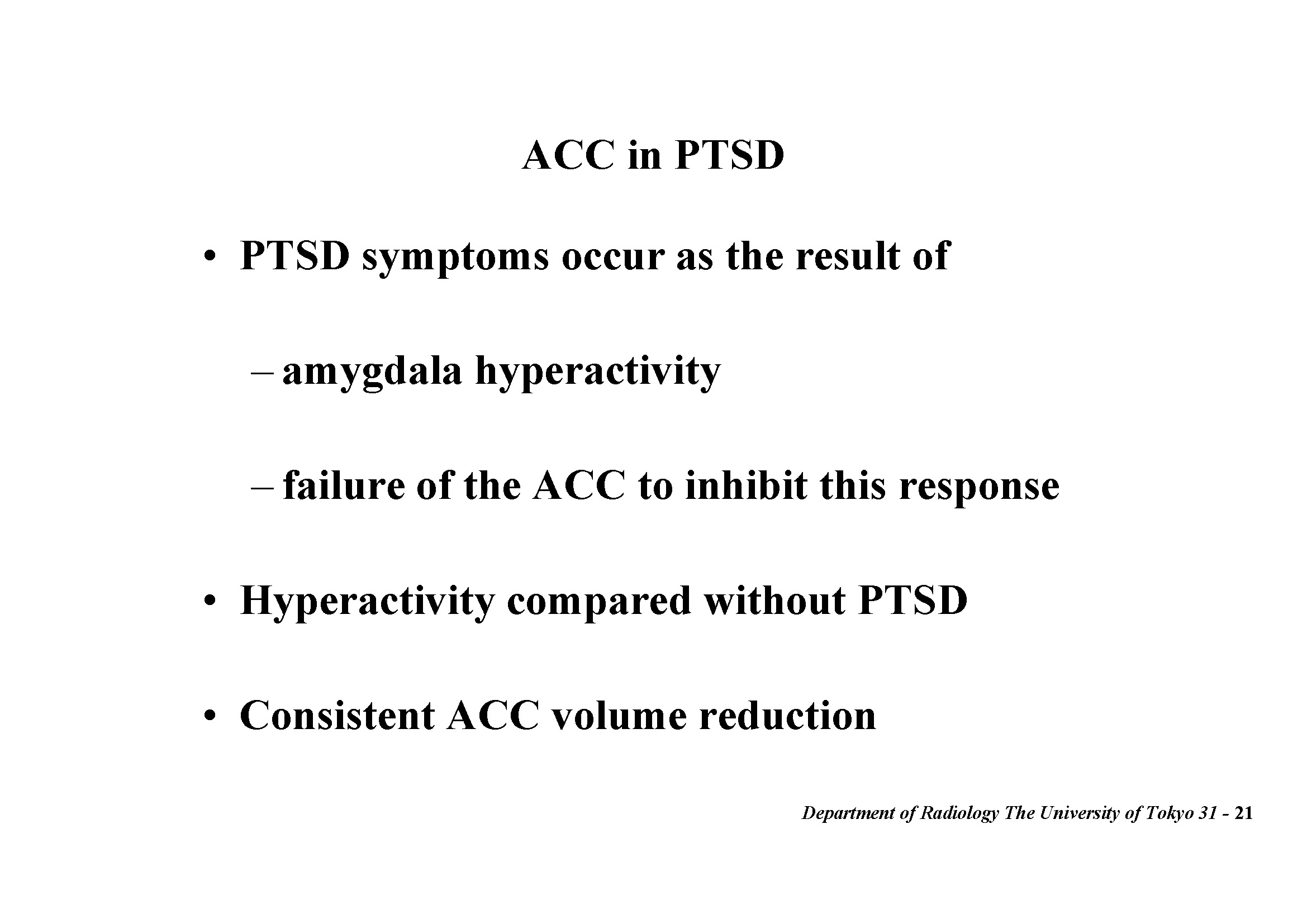 Slide #21
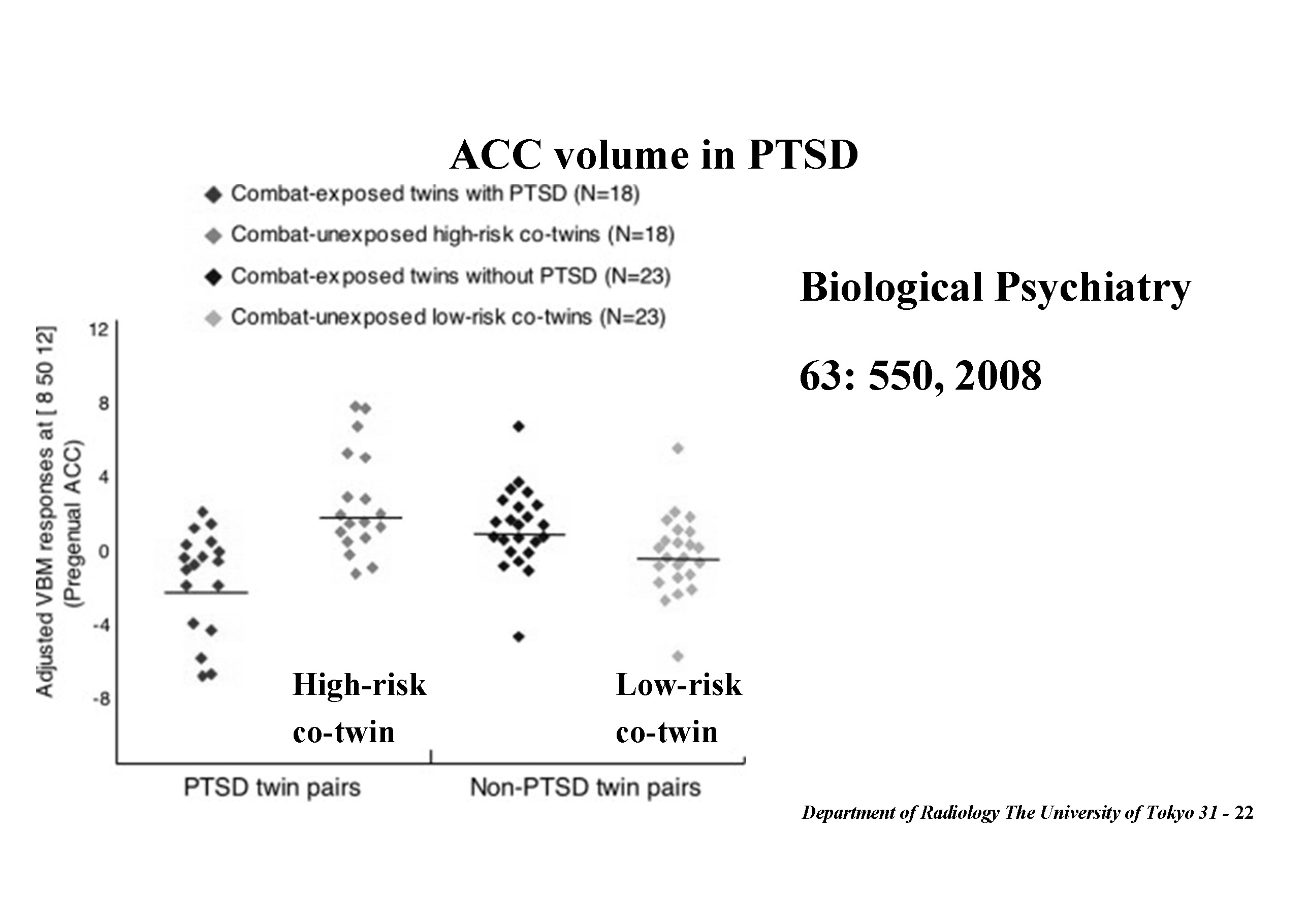 Slide #22
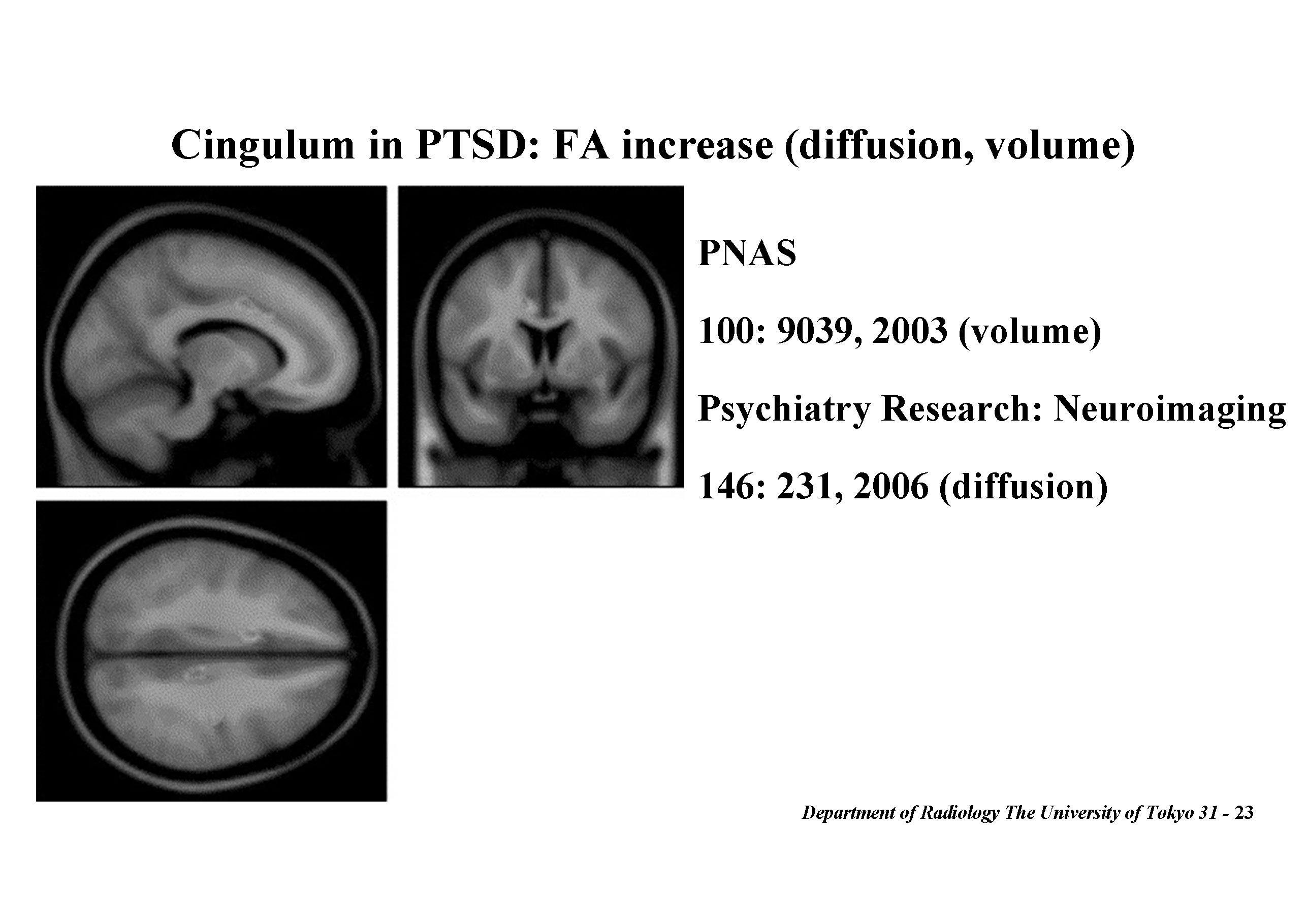 Slide #23
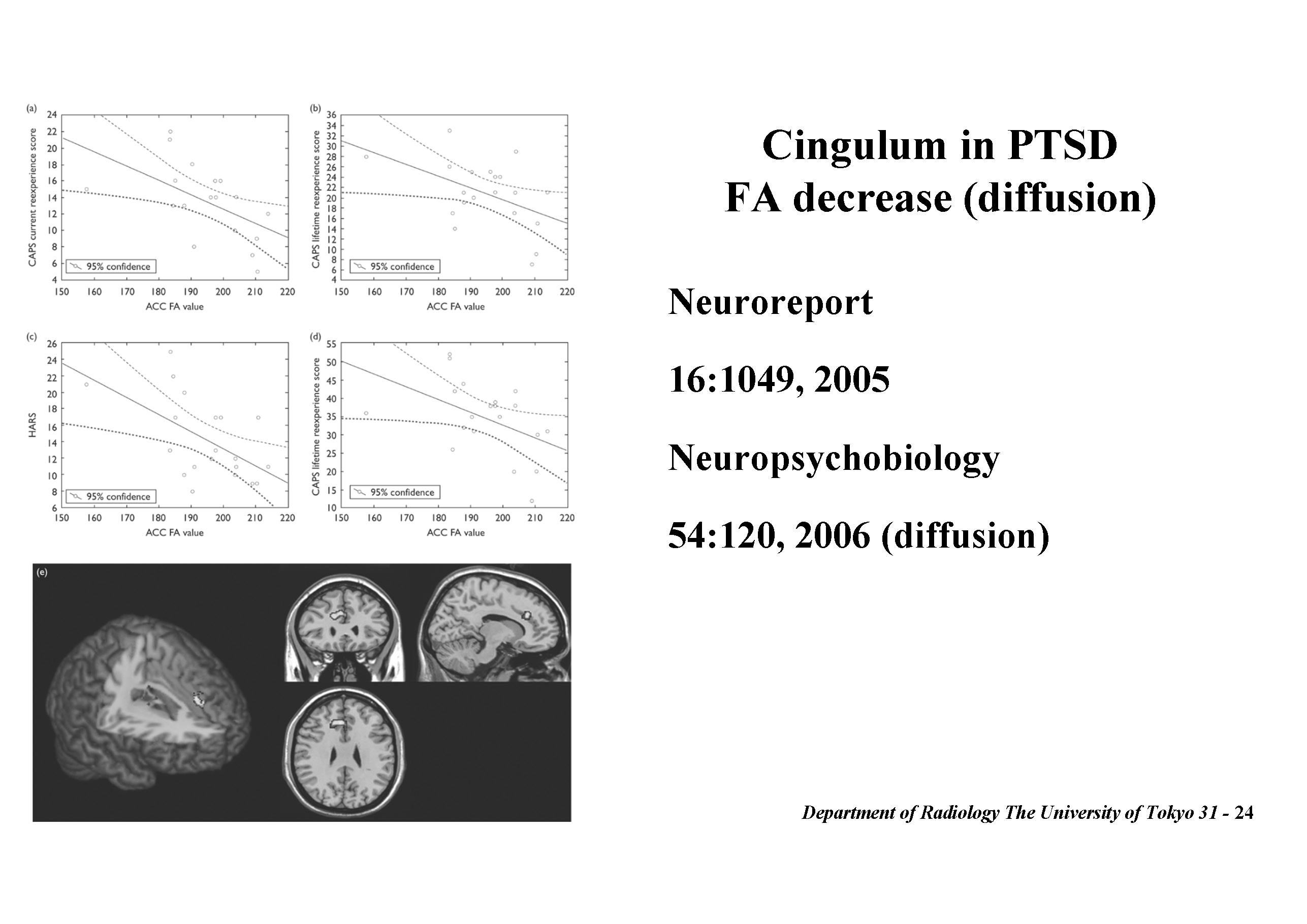 Slide #24
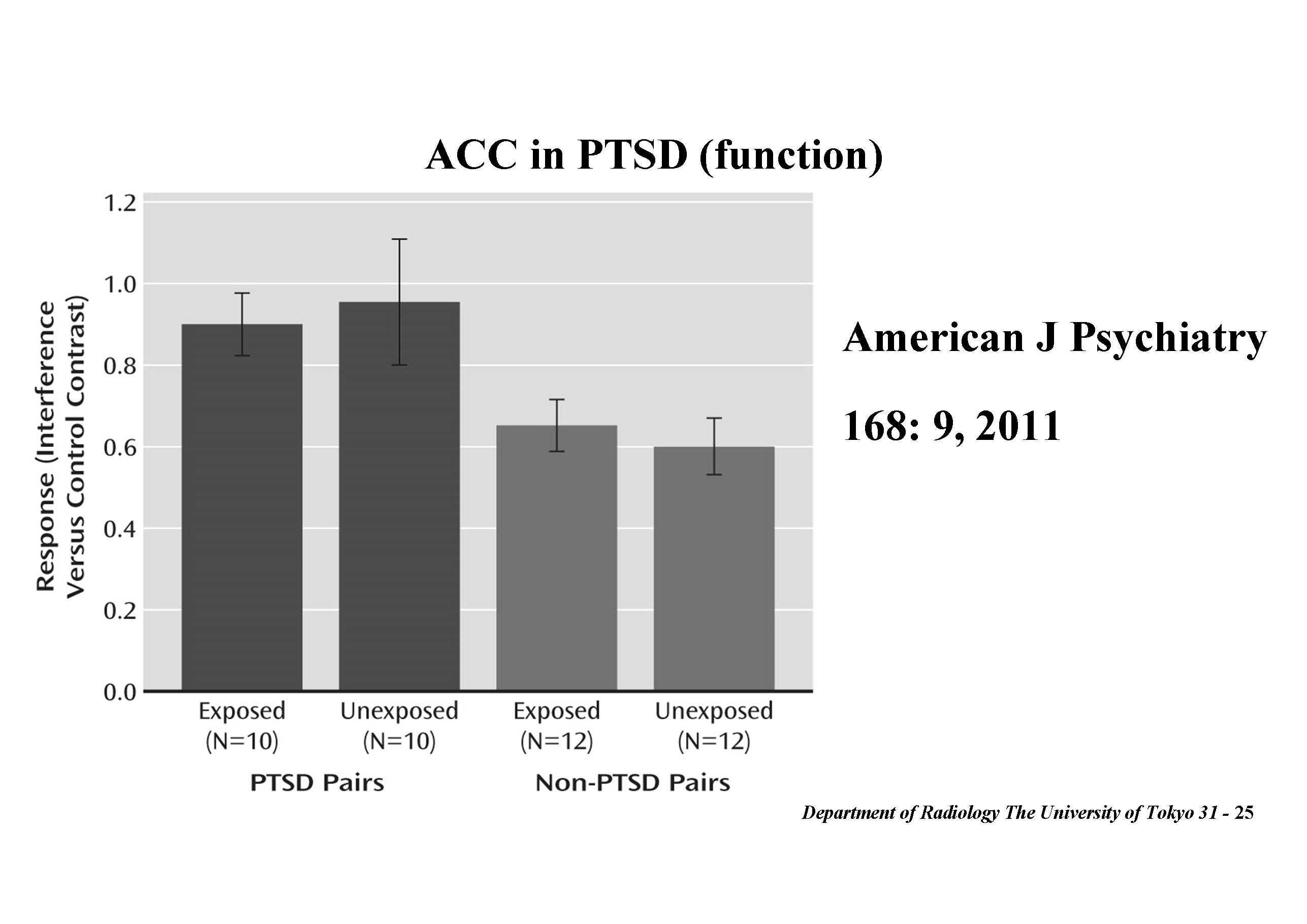 Slide #25
 Slide #26
 Slide #27
 Slide #28
 Slide #29
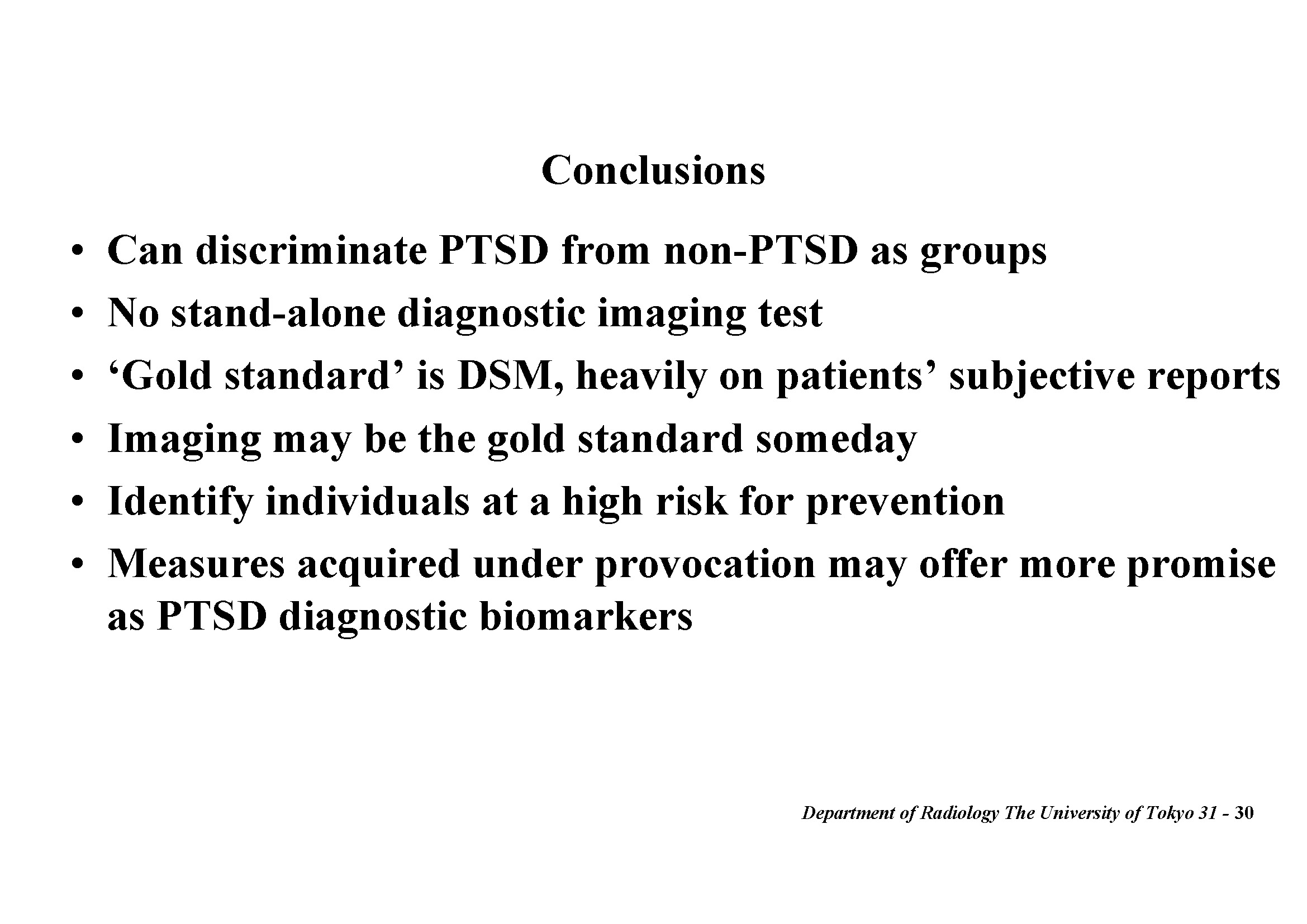 Slide #30