4150
MRI-based Prediction of the Need for Wide Resection Margins in Patients With Single Hepatocellular Carcinomas1Department of Radiology, West China Hospital of Sichuan University, Chengdu, China
Synopsis
Keywords: Liver, Liver, Hepatocellular Carcinomas resection
Motivation: Individualized selection between wide (≥1 cm) and narrow (<1 cm) resection margins may help improve the postoperative survivals of hepatocellular carcinoma (HCC).
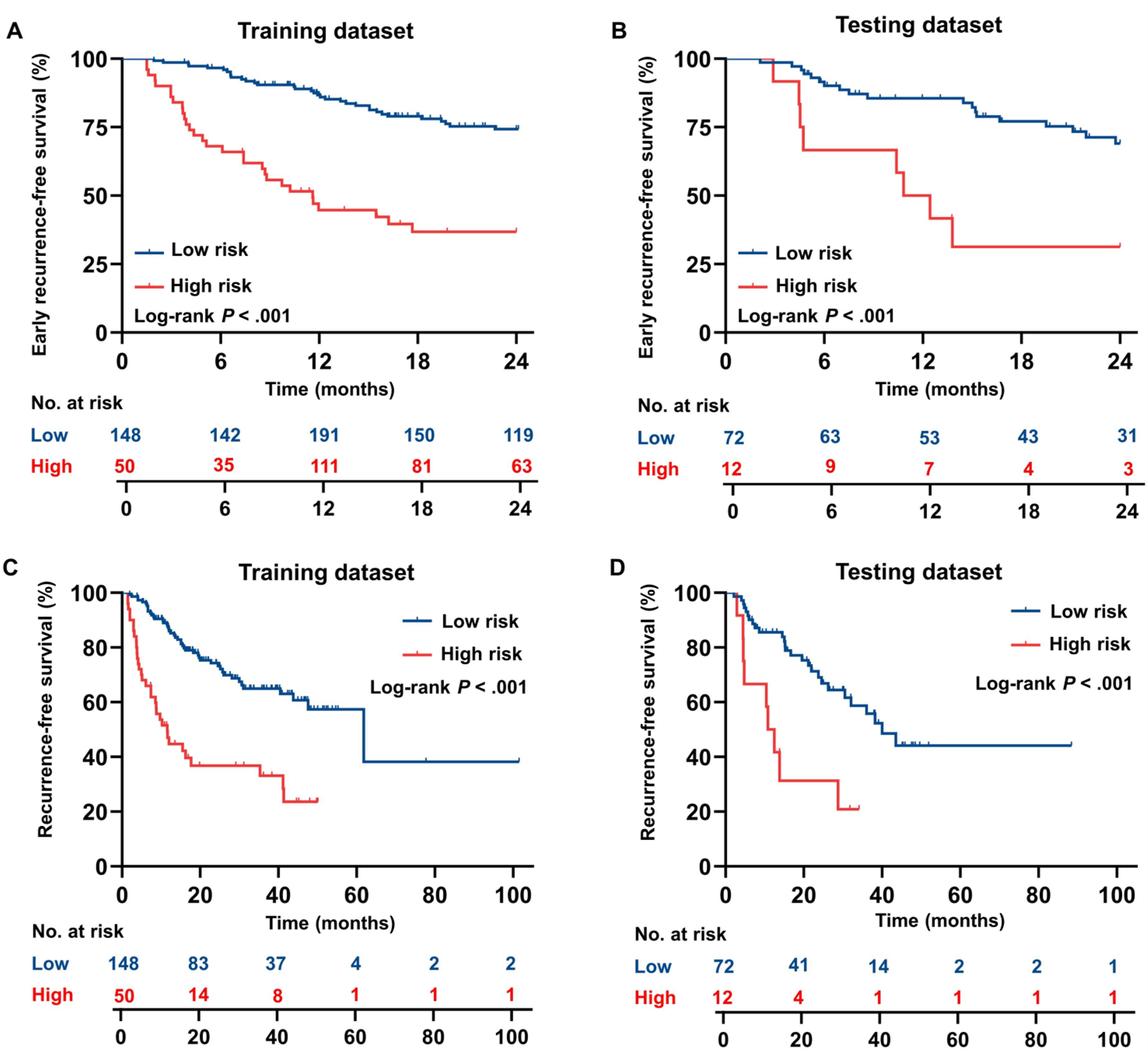
Goal(s): To develop an MRI-based model to support the selection between narrow and wide resection margins based on the prediction of postoperative early recurrence-free survival (RFS, ≤2 years) in patients with single HCC.
Approach: In patients with narrow resection margins, a predictive score (named “MARGIN”) was developed for early RFS rate with Cox regression analyses.
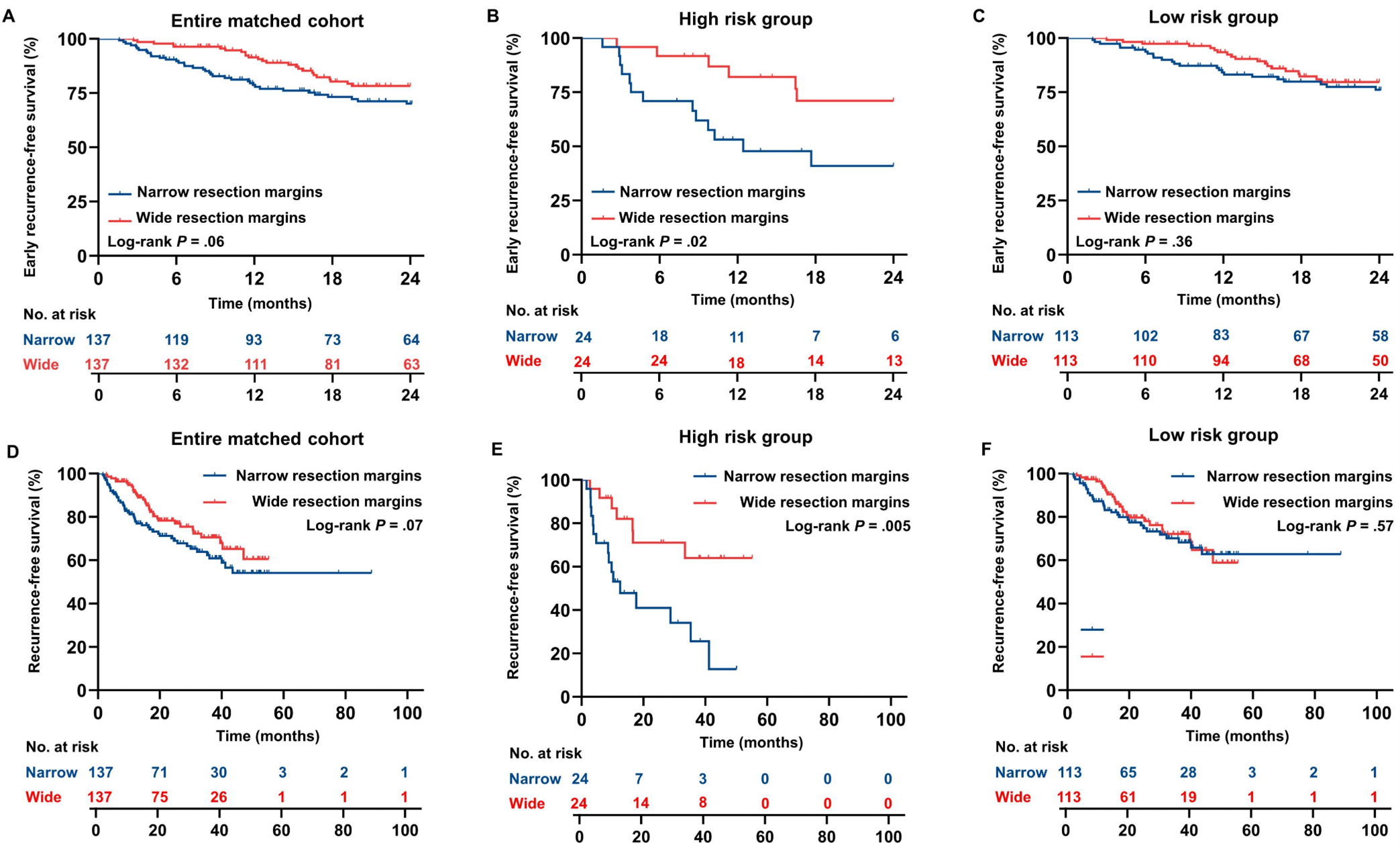
Results: Improved early RFS rate was observed for wide resection margins for the MARGIN-predicted high-risk patients.
Impact: In patients with single HCC, the MARGIN score may serve as a promising decision-making too to inform the need for wide resection margins.
Purpose
To develop an MRI-based model to support the selection between narrow and wide resection margins based on the prediction of postoperative early recurrence-free survival (RFS, ≤2 years) in patients with single BCLC 0/A HCC.Methods and Materials
This single-center retrospective study included consecutive patients who underwent curative-intent liver resection for single HCC and preoperative contrast-enhanced MRI from December 2011 to May 2022. Three blinded radiologists independently assessed 51 MRI features. In patients with narrow resection margins, a predictive score (named “MARGIN”) was developed for early RFS rate in the training dataset with Cox regression analyses and validated in the testing dataset. Patients with wide resection margins were matched with those with narrow resection margins using propensity score. In the matched cohort, survival outcomes were compared between patients with the narrow- and wide-resection margins for the score-stratified low- and high-risk groups using the log-rank test of the Kaplan-Meier method, respectively.Results
419 patients (median age, 54 years; 361 men) were included. Among 282 (67.3%) patients with narrow resection margins, age, alpha-fetoprotein>400 ng/mL, vitamin K absence-II>200 mAU/mL, radiological involvement of liver capsule, and infiltrative appearance on MRI were associated with early RFS rate (P values, 0.002-0.04) and constituted the MARGIN score, which showed a testing dataset C-index of 0.75 (95% CI, 0.65-0.84). In the matched cohort, wide resection margin was associated with improved early RFS rate for the high-risk group (MARGIN score ≥ -1.3; 71.1% vs 41.0%; P=.02), but not for the low-risk group (MARGIN score < -1.3; 79.7% vs 76.1%; P=.36).Conclusions
In patients with single HCC, the MARGIN score may serve as a promising decision-making too to inform the need for wide resection margins.Acknowledgements
No acknowledgement found.References
No reference found.Figures