3954
Translational 3T MRI and micro-CT imaging of murine cartilage repair1Preclinical Imaging Suite, Anne McLaren Building, University of Cambridge, Cambridge, United Kingdom, 2Radiology, University of Cambridge, Cambridge, United Kingdom, 3Division of Trauma & Orthopaedic Surgery, University of Cambridge, Cambridge, United Kingdom, 4Clinical Neurosciences, Wolfson Brain Imaging Centre, University of Cambridge, Cambridge, United Kingdom
Synopsis
Keywords: Small Animals, Joints, CT, Osteoarthritis, Cartilage, Bone, Multimodal imaging
Motivation: This is a clinically inspired project related to Osteoarthritis which focuses on translational research to specifically enhance murine preclinical models with micro-CT and MRI.
Goal(s): To optimize MRI methods for monitoring of longitudinal repair of a mouse model of osteochondral injury, to validate joint tissue response and assess intervention impact to the injury site.
Approach: The study design features the micro-CT and MRI imaging of the knee joint in a murine osteochondral injury model.
Results: The optimized MRI protocol was able to demonstrate differences between groups after longitudinal assessment. This technique is an important translational step allowing the measurement of clinically relevant differences.
Impact: The developed multimodal imaging methodology to monitor tissue repair of mouse knee will extensively enhance the development of novel therapies for cartilage and bone repair, and their translatability into the clinic, whilst reducing the number of animals for preclinical research.
INTRODUCTION
Osteoarthritis (OA) is a chronic joint disease that at the end stage can be characterized by extensive damage to the articular cartilage, synovial inflammation, and osteophyte formation within joints1,2. Preclinical models of OA are crucial to understanding the underlying mechanisms of bone and joint disorders in humans and developing effective therapeutic interventions3. Repair and regenerative approaches, such as cell therapy and targeting cells with molecules, aim to repair cartilage at an earlier stage. Subsequent evaluation of candidate molecules can be in vitro and in vivo, and in the latter outcome measures typically include histology and assessment of cells and tissues. While higher magnetic field strengths have been commonly used in preclinical OA studies3,4, imaging at 3T promotes clinical-preclinical translatability due to similarities in tissue contrasts between systems. However, in vivo imaging of mice knee joints (average volume ~ 0.05 cm³) can be limited by the sensitivity at 3T. Therefore, this study aimed to assess the feasibility of high-resolution imaging of mice knee joints at a translational field strength. Additionally, combining high-resolution MRI with micro-CT allowed for longitudinal assessment of changes in soft-tissue morphology and composition associated with cartilage and bone repair post-injury.MATERIALS & METHODS
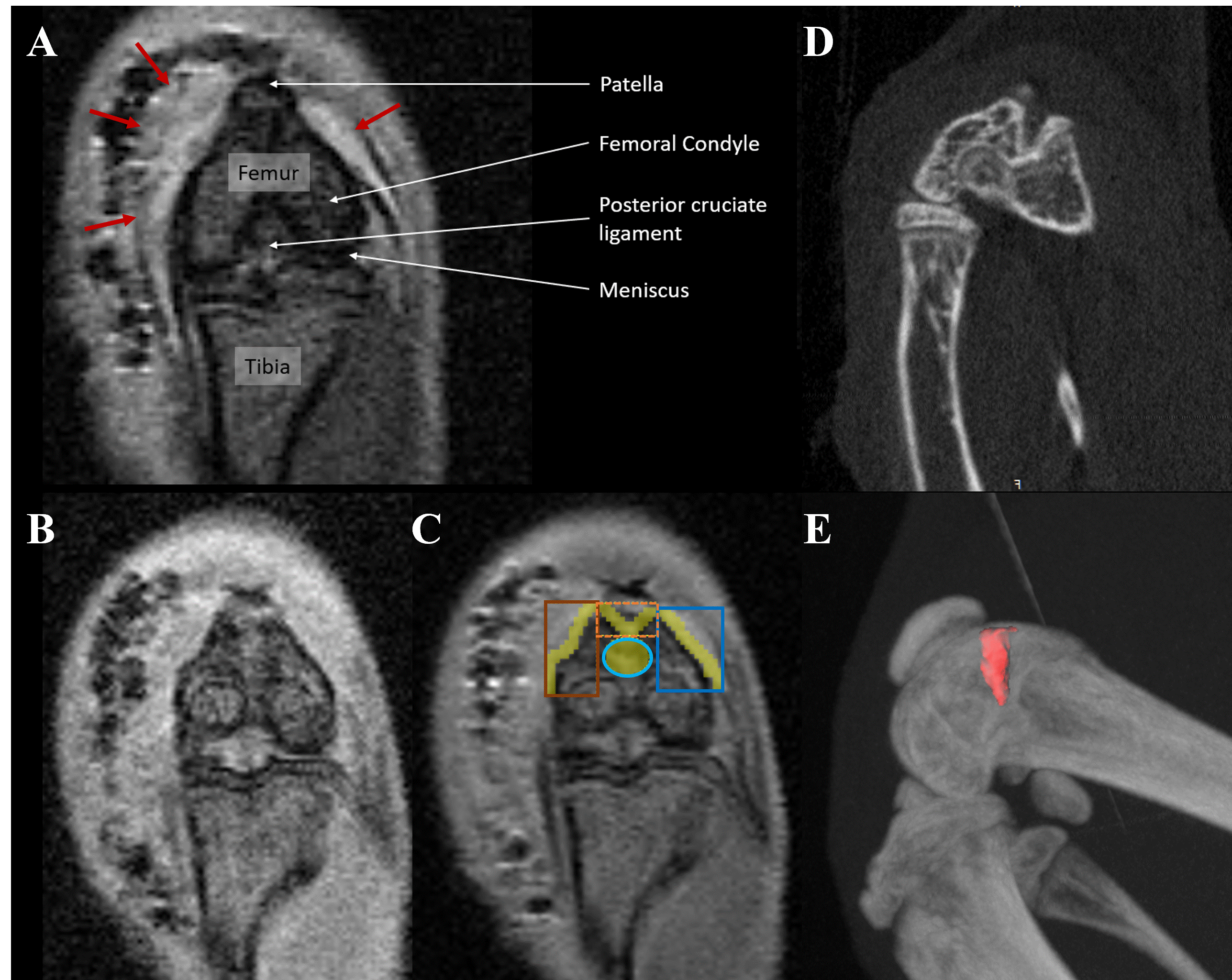
Mice imaging was obtained from an osteochondral (OC) imaging study, with 4 images of the control, intervention 1 and intervention 2 study groups. Twelve adult female C57BL/6 mice received an OC injury of the distal femur of the left hindlimb. To ensure reproducibility between scans, in vivo imaging of mice knees was performed in the natural, flexed position. MRI was conducted using a 3T BrukerBioSpec system, with an 82 mm circularly polarized volume coil for transmit and a 20 mm surface coil for receive positioned on the left hindlimb. Sequence optimization was performed on three freshly culled mice. A 3D elliptical phase-encoding scheme with partial Fourier phase acceleration was employed in a FLASH and TuboRARE-based sequence to obtain high-resolution anatomical images (69-78 µm in-plane, 500 µm slice, 22 min scan time, effective acceleration = 1.29-1.43), followed by T2 mapping (TR = 1400 ms, 6 echoes with TE1:TE6 = 9.82:58.89 ms, 20 min scan time, effective acceleration = 1.29) measuring water and collagen content in the cartilage. The CT data was obtained using a Mediso nanoScan PET/CT system with 720 projections, 50 kVp/980uA tube voltage, 300 ms exposure time, 22 µm3 isotropic resolution, and reconstructed with a Butterworth filter. The imaging protocol allowed assessment of cartilage morphology and visualization of soft tissue structures surrounding the joint (Fig. 1A, B) as well as 3D assessment of the joint capsule to visualize articular cartilage and subchondral bone (Fig. 1D). T2 relaxation values were computed by manually drawing ROIs on a single slice to outline the injury on the femoral head, superficial cartilage, and soft-tissue (Fig. 1C). For CT data, semiautomatic segmentation of the injury (Fig. 1E) was performed using VivoQuant (Invicro, Boston, MA) to extract the lesion volumes.RESULTS
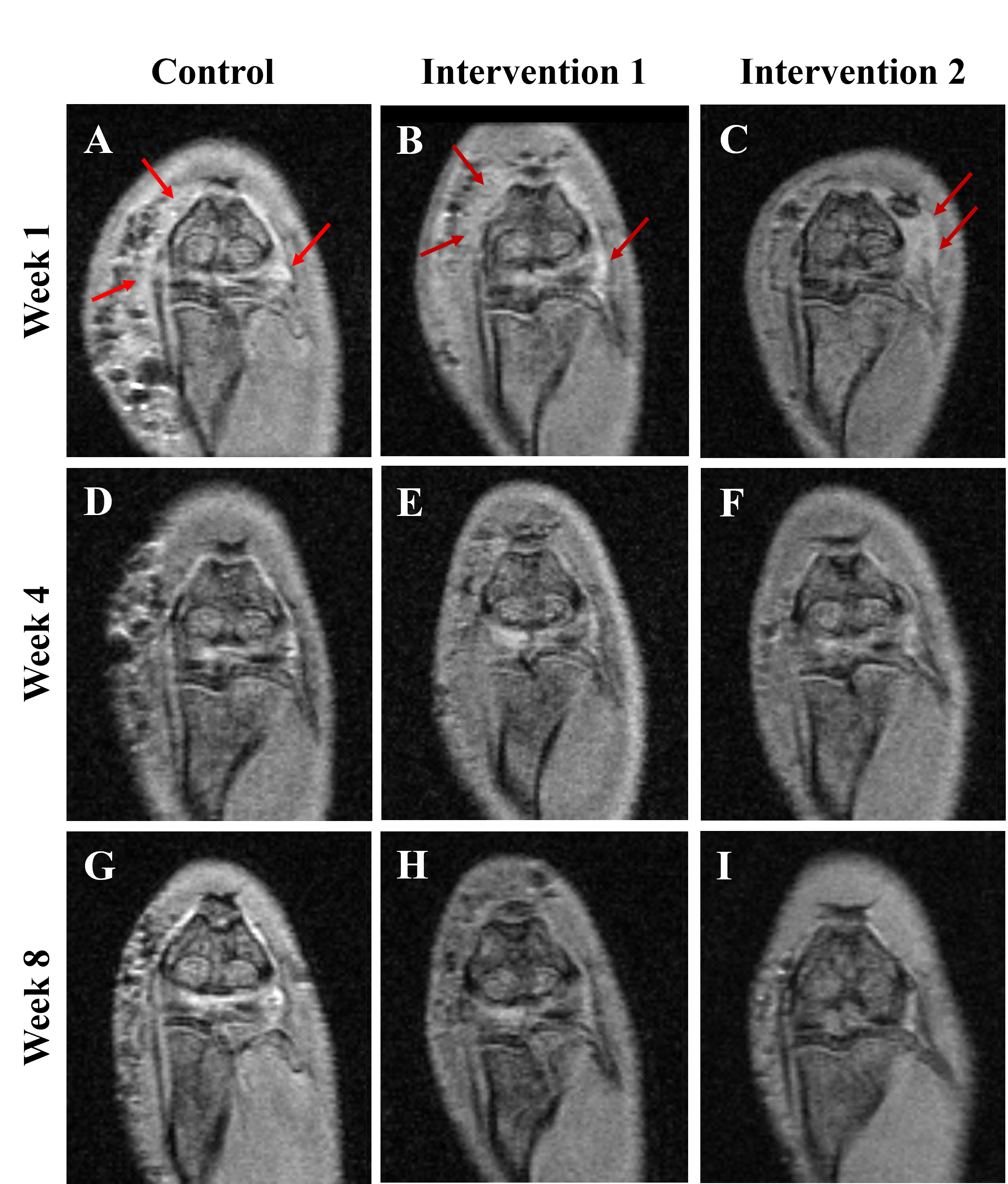
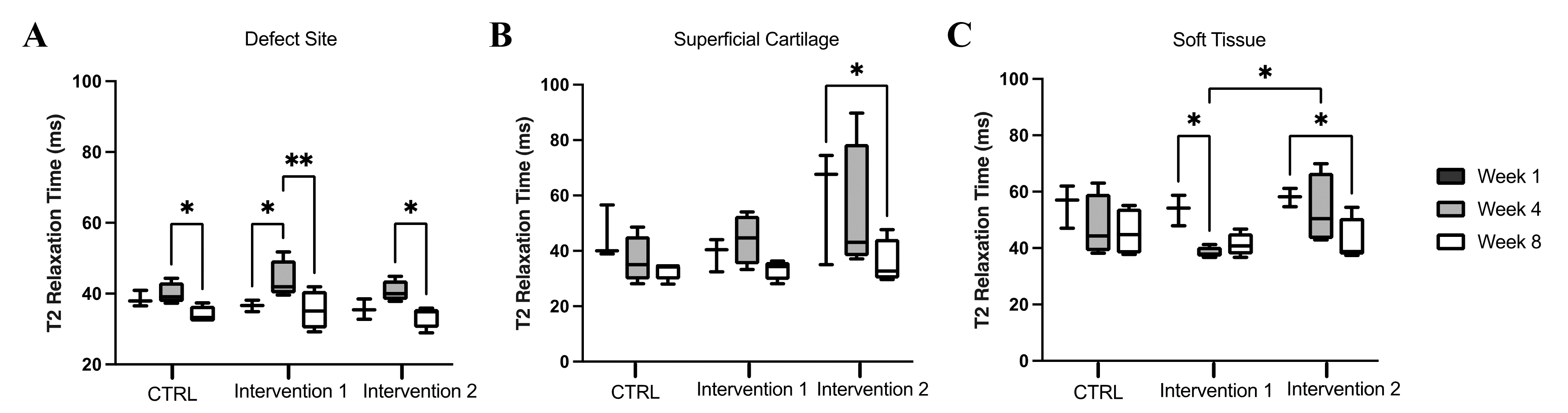
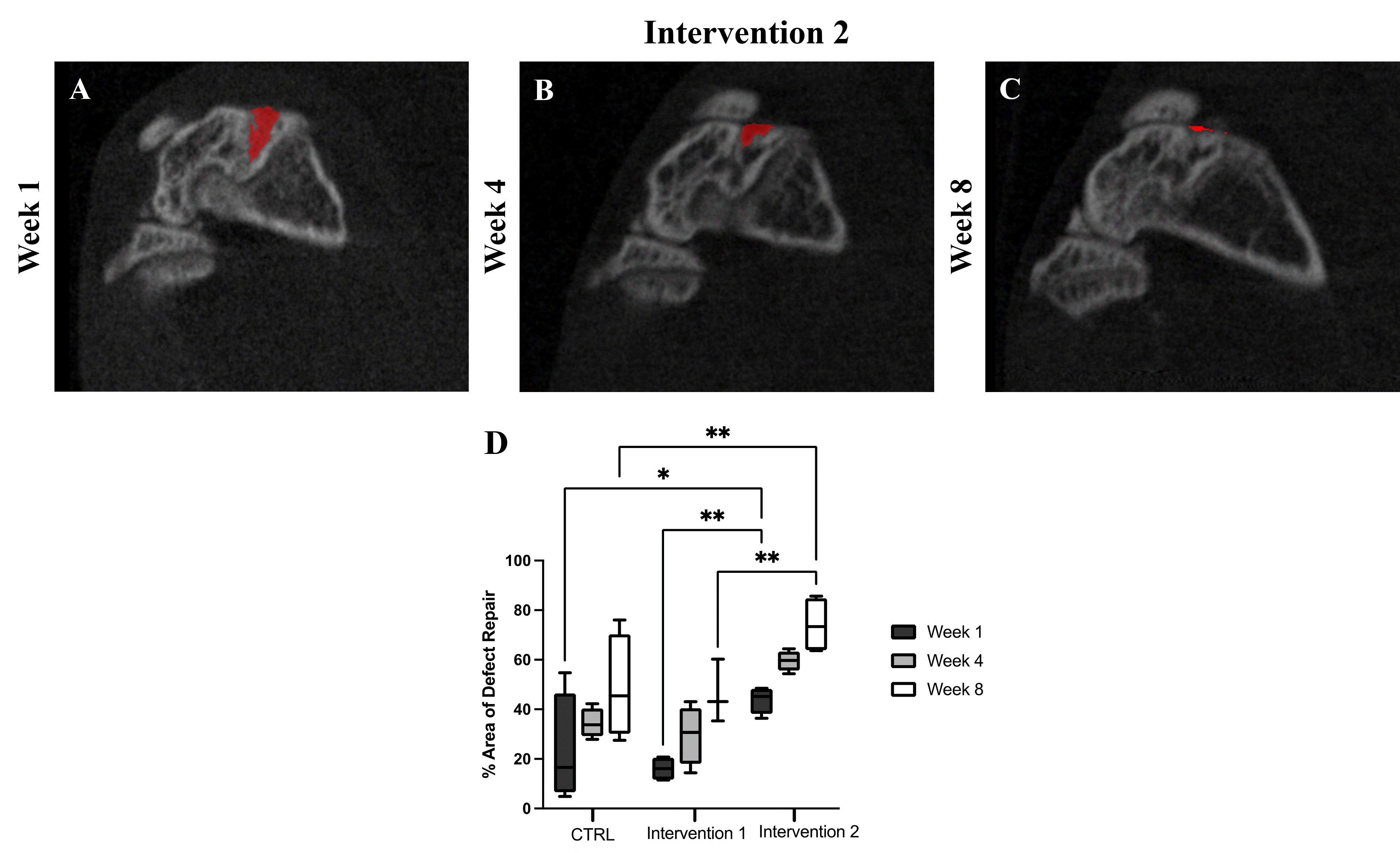
One week after injury, hyperintensity was observed on T2w images in the areas surrounding the defect in all the mice (Fig. 2A,2B, and 2C). At 4 weeks, T2 hyperintensity was subsequently reduced (Fig. 2D-F) and a trend of increasing T2 values was observed in the defect in all groups (Fig. 3A). More specifically, intervention 1 showed significantly increased T2 values in the defect (Fig. 3A), significantly decreased T2 values in the superficial cartilage compared to week one (Fig. 3B). By week eight, all mice showed a significant decrease in T2 values in the defect area (Fig. 3A), while intervention 2 showed significantly reduced T2 values in the superficial cartilage (Fig. 3B) and soft-tissue (Fig. 3C) as compared to week one. Furthermore, intervention 2 demonstrated a significant increase in the area of defect repair (expressed as a percentage) by CT from week one to week eight (Fig. 4A-D).DISCUSSION & CONCLUSION
We demonstrated the feasibility of assessing the joint tissue response using micro-CT and MRI to investigate an intervention in an existing OC injury model. Resulting biological processes such as changes in synovium, bone, and cartilage, relevant to repair, were successfully evaluated in the recovery phase using these techniques. Together with the other modalities already used in relation to the model; including histology, flow cytometry and transcriptomics this represents an important additional modality. Specifically, the ability to assess defect filling with new tissue and evaluate the response of other joint structures holds significant value. Overall, this study represents a crucial translational milestone by enabling longitudinal measurements in this model and other models of OA injury, ultimately facilitating the detection of clinically significant differences.Acknowledgements
UK Regenerative and Medicine Platform (UKRMP)References
- Lawrence RC, et al. Estimates of the prevalence of arthritis and selected musculoskeletal disorders in the United States. Arthritis Rheum. 1998;41:778–799.
- Holyoak DT, Tian YF, van der Meulen MC, Singh A. Osteoarthritis: Pathology, Mouse Models, and Nanoparticle Injectable Systems for Targeted Treatment. Ann Biomed Eng. 2016;44(6):2062-75.
- Tremoleda JL, Khalil M, Gompels LL, Wylezinska-Arridge M, Vincent T, Gsell W. Imaging technologies for preclinical models of bone and joint disorders. EJNMMI Res. 2011;1(1):11.
- Drevet S, Favier B, Lardy B, Gavazzi G, Brun E. New imaging tools for mouse models of osteoarthritis. Geroscience. 2022;44(2):639-650.
Figures