3846
Whole-brain Morphological Network Alterations in Patients with H3K27M-altered Diffuse Midline Glioma1Huaxi MR Research Center (HMRRC), Department of Radiology, West China Hospital of Sichuan University, Chengdu, China, Chengdu, China, 2Huaxi Glioma Center, West China Hospital of Sichuan University, Chengdu, China, Chengdu, China
Synopsis
Keywords: Tumors (Pre-Treatment), Brain Connectivity, H3K27M-altered diffuse midline glioma, structural covariance networks, graphy theory, topological properties
Motivation: H3K27M-altered diffuse midline glioma (DMG) is a highly infiltrative and deadly form of brain cancer with a dismal prognosis. The mechanisms underlying its aggressiveness remain elusive.
Goal(s): To elucidate alterations in whole-brain morphological networks in diffuse midline glioma patients and assess whether such alterations are associated with the H3K27M mutation.
Approach: A whole-brain structural covariance network (SCN) was constructed based on cortical thickness.
Results: The topological characteristics of structural covariance network (SCN) were severely disrupted in DMG. Additionally, H3K27M mutations may induce more aggressive whole-brain network damage.
Impact: The research offers novel insights into the mechanisms of progression in H3K27M-altered DMG, which may help in developing new treatment protocols.
Objectives
Objectives: H3K27M-altered diffuse midline glioma (DMG-A) is a malignant glioma that mostly affects children and adolescentst1, with a median survival of 11 months, the prognosis remains dismal2. While previous research tended to focus on the tumor mass itself, often overlooking the structural and functional alternations in the entire brain induced by this entity. Actually, recent studies demonstrate that glioma is a whole-brain disease, as tumor cells spread far beyond the macroscopically visible lesion and form networks throughout the whole brain3,4. However, little is known about the alterations in the morphological networks of the whole brain in patients with DMG-A. Thus, in the current study, we aimed to perform a comparative analysis of the topological properties of cortical thickness morphological networks in DMG patients with and without H3K27M alterations to elucidate their effects on whole brain.Methods
Methods: High-resolution 3D T1 structural images were acquired from 70 DMG-A patients, 84 wild-type diffuse midline glioma (DMG-W) patients and 86 age- and sex-matched healthy controls (HC). Cortical thickness was extracted from 68 brain regions to construct the whole-brain structural covariance networks by calculating the Pearson correlation coefficients. The topological properties of these networks were analyzed by using graph theory. Network-based statistic (NBS) was employed to determine the connected subnetwork. Finally, the differences in nodal properties and network metrics between groups were compared using a non-parametric test.Results
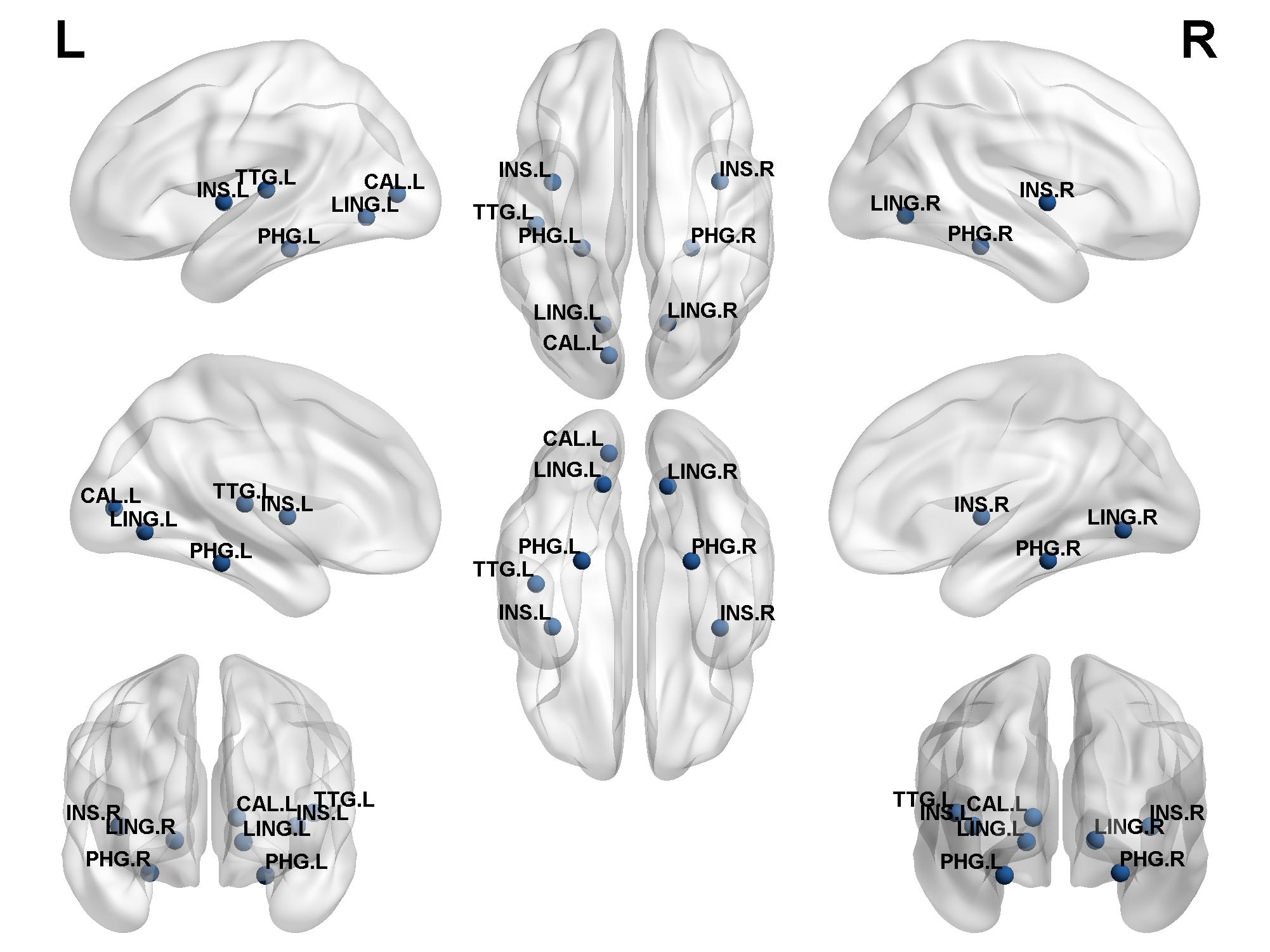
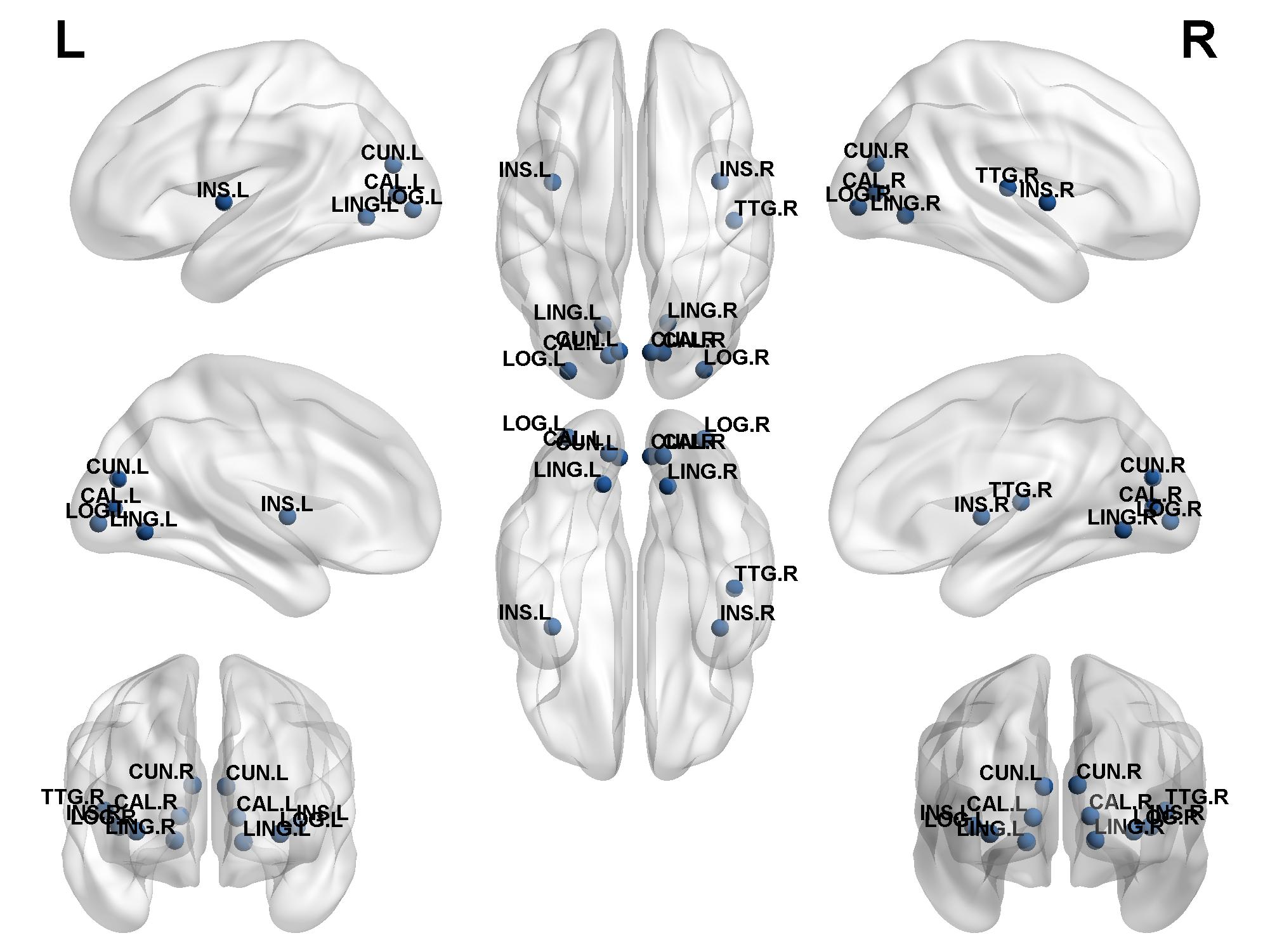
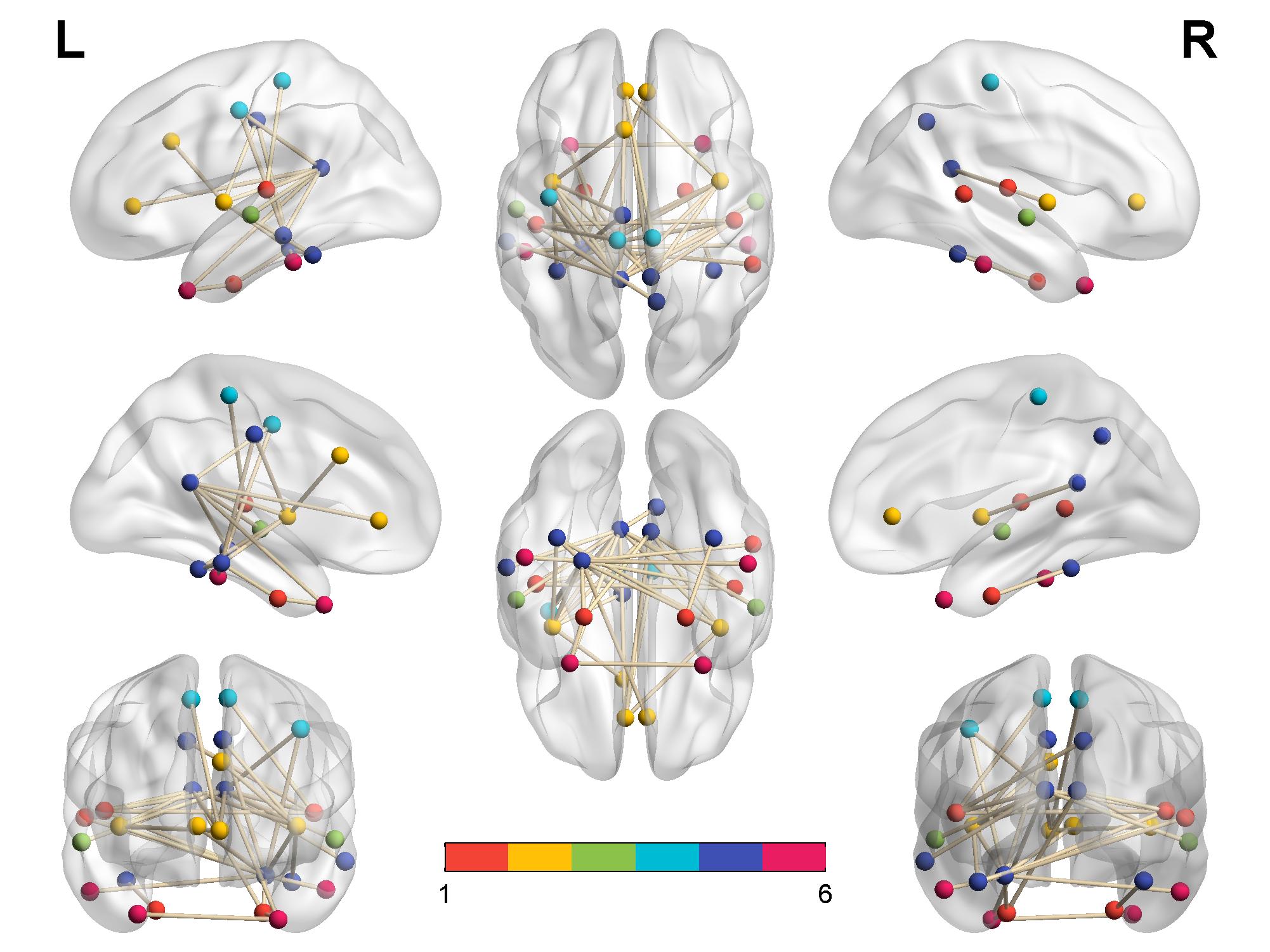
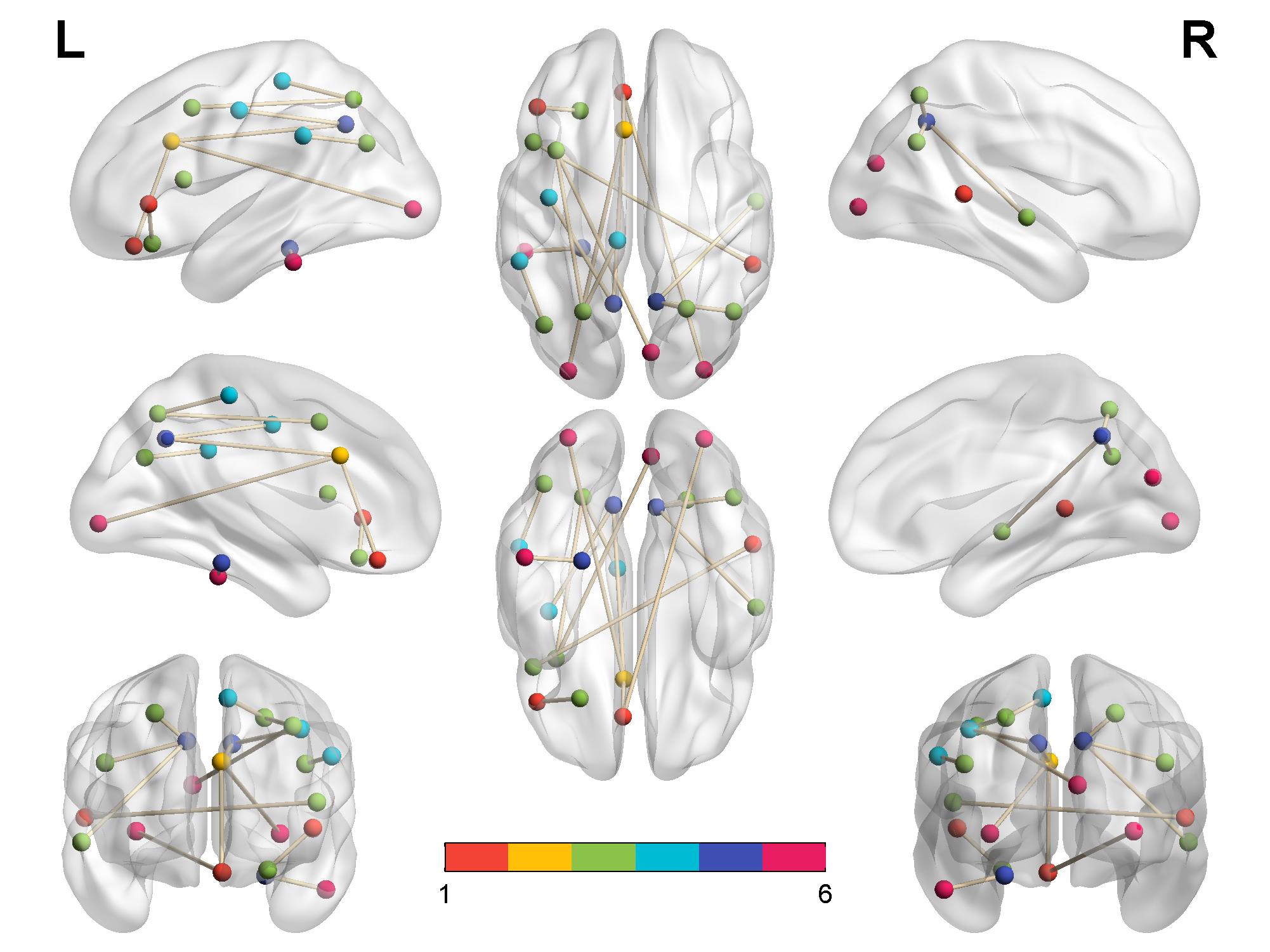
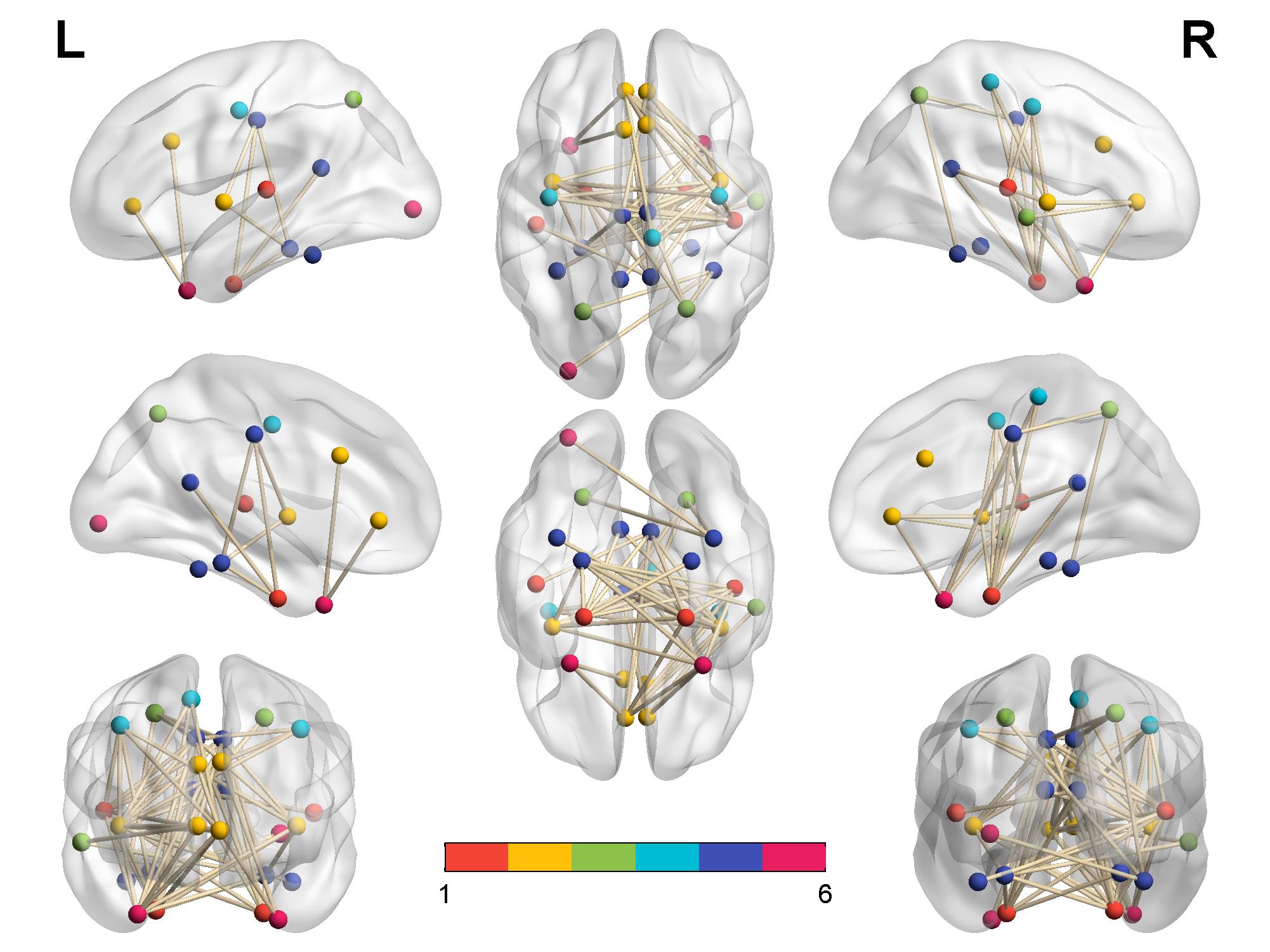
Results: Compared with HC, patients with DMG-A had smaller nodal efficiency in the lingual gyrus, insula, pericalcarine,parahippocampal gyrus and transversetemporal gyrus. Additionally, patients with DMG-W had smaller nodal degree and nodal efficiency in the insula, transverse temporal gyrus and visual cortex(i.e, lingual gyrus, pericalcarine, cuneus gyrus and lateraloccipital gyrus). NBS analysis revealed decreased morphological connections in the default mode network, sensorimotor network, salience network, auditory network and visual network, in both DMG-A and DMG-W group. Moreover, when compared DMG-A with DMG-W, DMG-A showed further decreased morphological connections in the whole brain network.Conclusions
Conclusions: The decrease in nodal properties and connections in the whole-brain network of both DMG-A and DMG-W suggests a significant disruption of the topological organization of their structural covariance network (SCN). Furthermore, the connections of the whole-brain morphological network were further decreased in mutant patients compared to the wild type, indicating that the presence of H3K27M mutations may be associated with more aggressive whole-brain network damage. These findings provide new insights into the whole-brain tumor burden induced by DMG and may potentially aid in the tailoring and monitoring of DMG therapy.Acknowledgements
We gratefully acknowledge all the participants.References
1. Schwartzentruber J, Korshunov A, Liu XY, Jones DT, Pfaff E, Jacob K, Sturm D, Fontebasso AM, Quang DA, Tonjes M et al: Driver mutations in histone H3.3 and chromatin remodelling genes in paediatric glioblastoma. Nature 2012,482(7384):226-231.
2. Nikbakht H, Panditharatna E, Mikael LG, Li R, Gayden T, Osmond M, Ho CY, Kambhampati M, Hwang EI, Faury D et al: Spatial and temporal homogeneity of driver mutations in diffuse intrinsic pontine glioma. Nature communications 2016, 7:11185.
3. Osswald M, Jung E, Sahm F, et al. Brain tumour cells interconnect to a functional and resistant network. Nature 2015; 528(7580):93-98.)
4. Sahm F, Capper D, Jeibmann A, et al. Addressing diffuse glioma as a systemic brain disease with single-cell analysis. Arch Neurol 2012;69(4):523–526.
Figures