3582
Quantitative and qualitative parameters of DCE-MRI predict CDKN2A/B homozygous deletion in gliomas1Nanjing Drum Dower Hospital, Nanjing, China
Synopsis
Keywords: Tumors (Pre-Treatment), Tumor
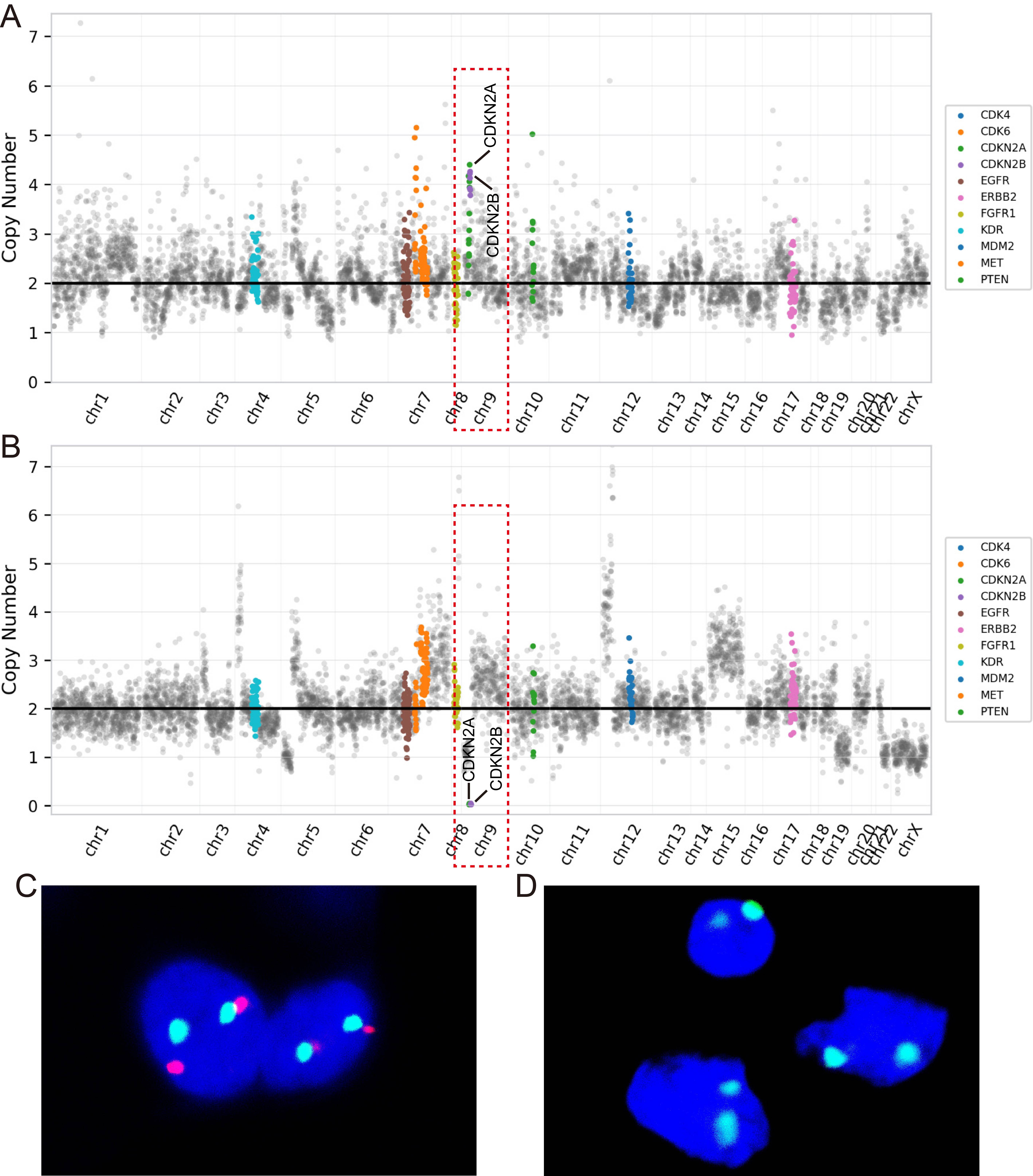
Motivation: Homozygous deletion (HD) of cyclin-dependent kinase inhibitor 2A/B (CDKN2A/B) holds important prognostic value in gliomas.
Goal(s): This study aims to explore the predictive potential of conventional MRI imaging parameters combined with dynamic contrast-enhanced (DCE) MRI parameters in predicting CDKN2A/B HD status in gliomas.
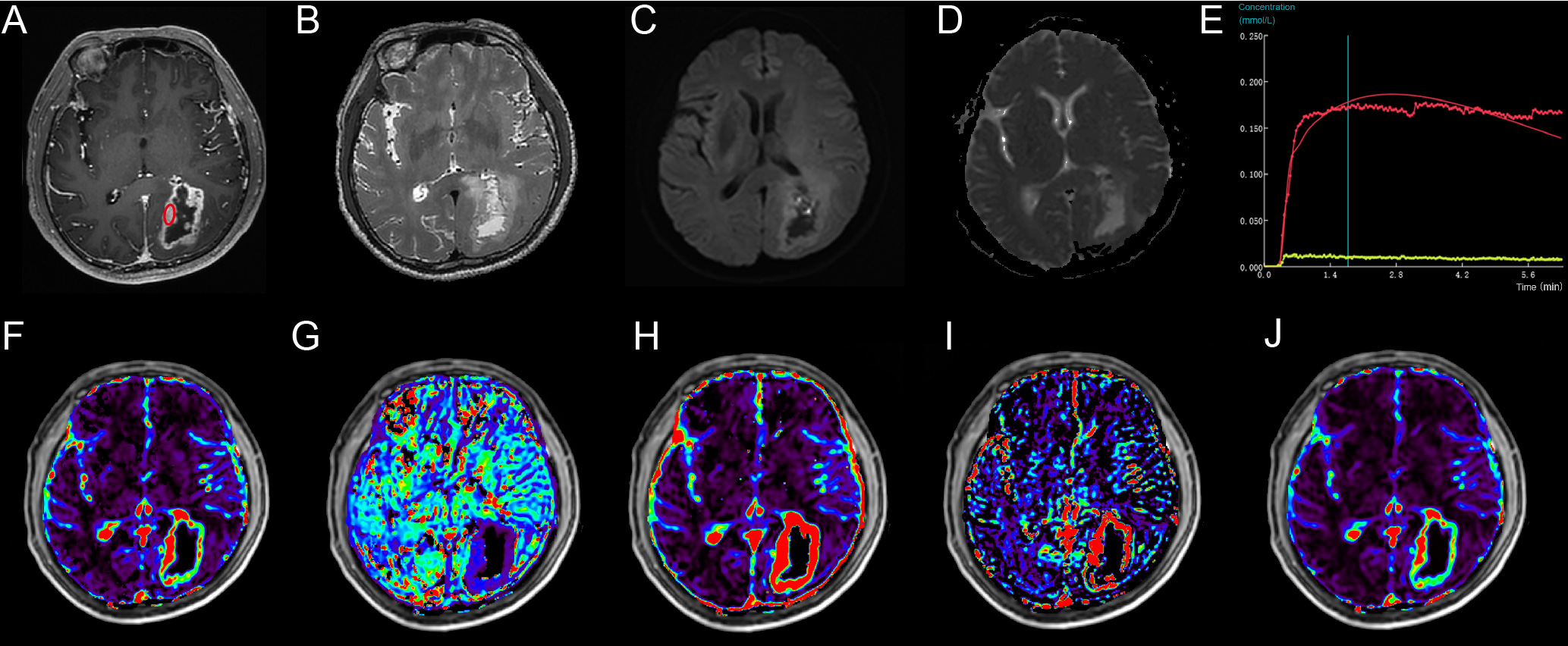
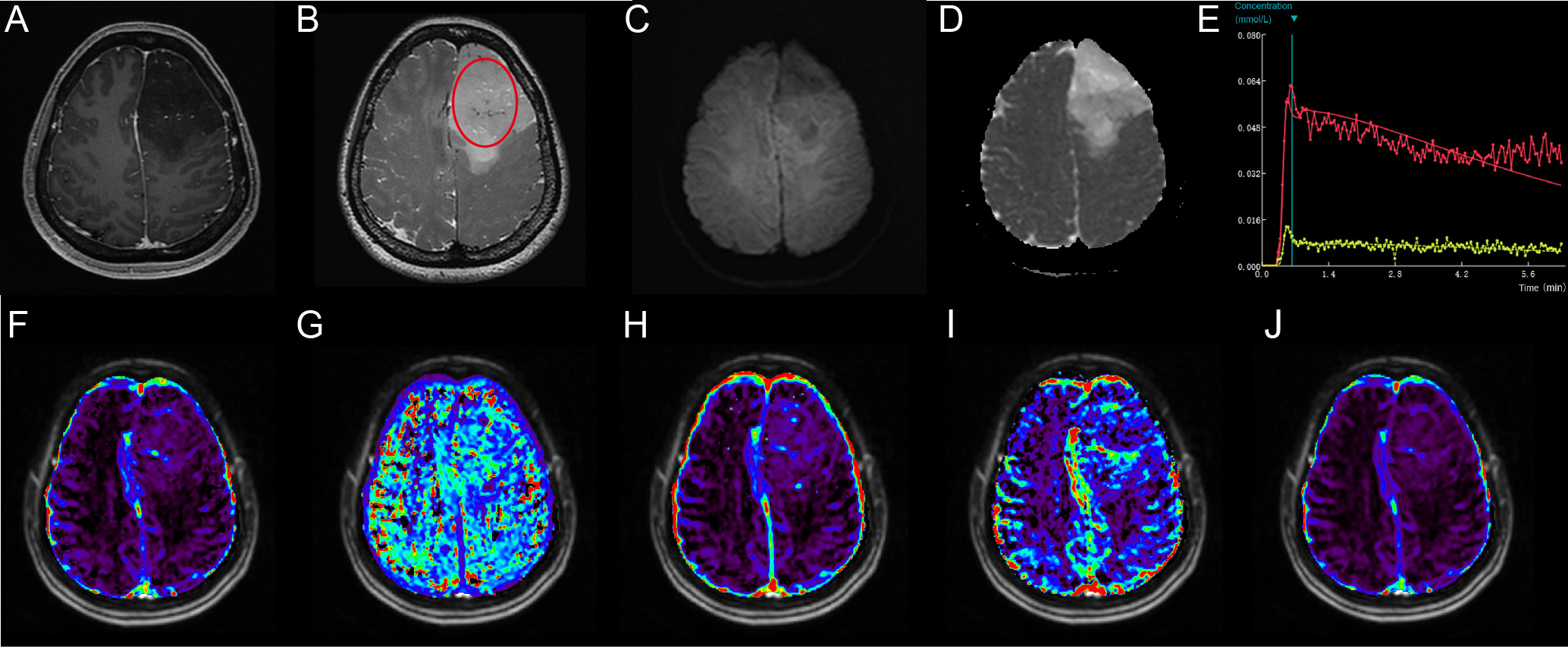
Approach: Conventional MRI features and DCE-MRI qualitative parameter time-intensity curve types, quantitative parameters Ktrans, Kep, Ve, Vp, and iAUC were obtained. Logistic regression models for prediction of CDKN2A/B HD status were constructed.
Results: Ktrans can serve as valuable predictive parameters for identifying CDKN2A/B HD status in all glioma patients as well as patients with IDH-mutant or IDH-wild gliomas.
Impact: Our findings provide a foundation for precise preoperative non-invasive diagnosis and personalized treatment approaches for glioma patients.
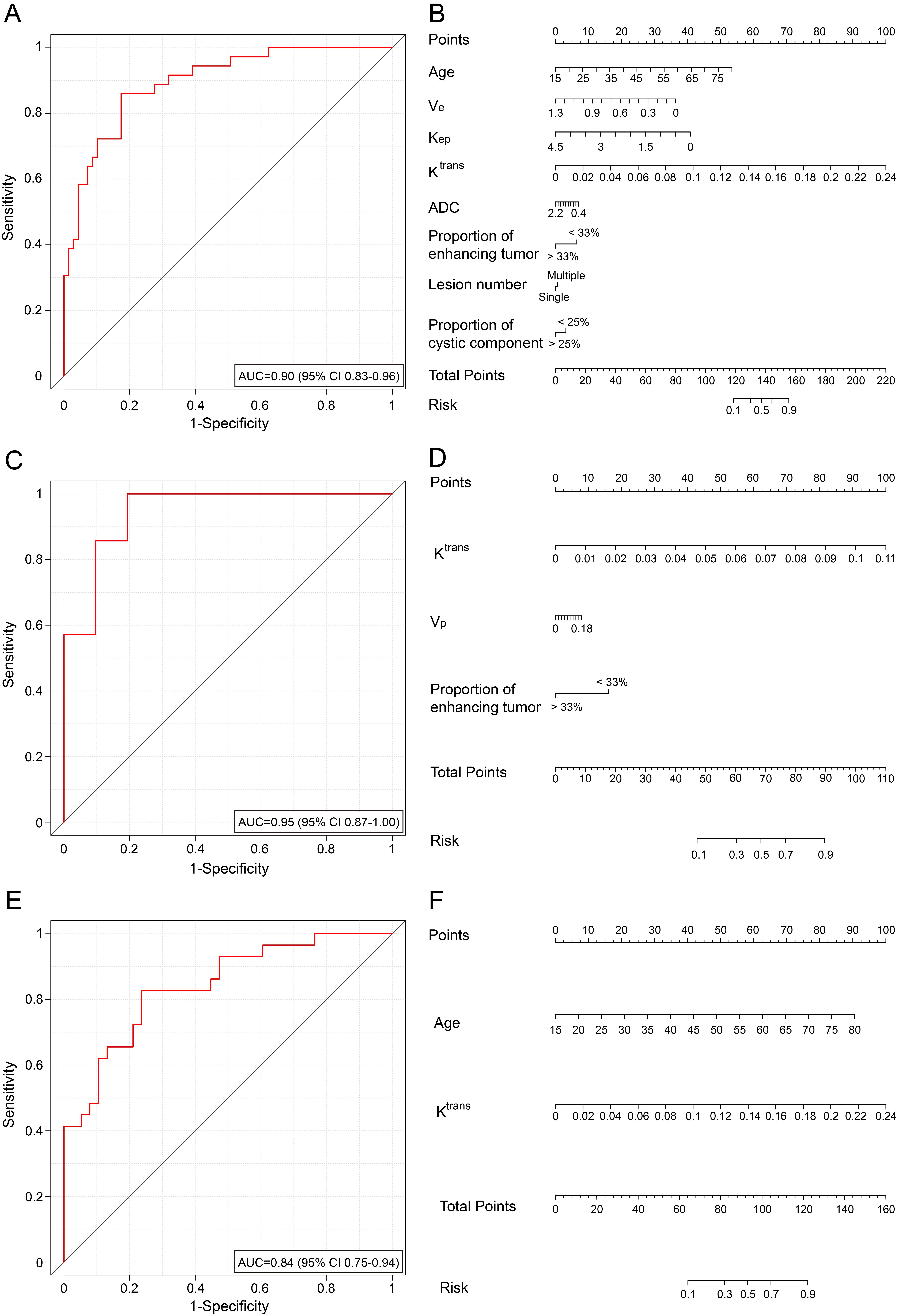
Methods: Preoperative MRI data of 105 patients (69 without CDKN2A/B HD, and 36 with CDKN2A/B HD) with gliomas were retrospectively collected. Conventional MRI features and DCE-MRI qualitative parameter time-intensity curve (TIC) types, quantitative parameters Ktrans, Kep, Ve, Vp, and iAUC were obtained. Logistic regression models for prediction of CDKN2A/B HD status were constructed in all gliomas as well as subtypes of IDH-mutant and IDH-wild gliomas. Performance of predictive models was quantified using area under receiver operating characteristic curve (AUC).
Results: Multivariate analysis for all patients demonstrated that age (OR = 1.103, p = 0.002) and Ktrans (OR = 1.051, p < 0.001) independently predicted CDKN2A/B HD. In IDH-mutant subgroup, multivariate analysis results indicated that Ktrans (OR = 1.098, p = 0.031) emerged as autonomous predictors of CDKN2A/B HD. In IDH-wild subgroup, age (OR = 1.111, p = 0.002) and Ktrans (OR = 1.032, p = 0.001) were independent predictors of CDKN2A/B HD according to multivariate analysis. The AUCs of the corresponding models were 0.90, 0.95 and 0.84, respectively.
Conclusion: Ktrans can serve as valuable predictive parameters for identifying CDKN2A/B HD status in all glioma patients as well as patients with IDH-mutant or IDH-wild gliomas. These findings provide a foundation for precise preoperative non-invasive diagnosis and personalized treatment approaches for glioma patients.
Limitations: This study was retrospective and relied on a relatively limited dataset collected from a single center. Survival prediction analysis was not performed in our study.
Acknowledgements
Funding: This research was funded by National Science and Technology Innovation 2030 -- Major program of "Brain Science and Brain-Like Research" (2022ZD0211800), Project of China Hospital Reform and Development Research Institute, Nanjing University (Aid project of Nanjing Drum Tower Hospital Health, Education & Research Foundation) (2022-LCYJ-MS-25), China Postdoctoral Science Foundation (2023M731627).
Institutional Review Board Statement: This study received approval from both the Medical Research Ethics Committee and the Institutional Review Board of the Affiliated Drum Tower Hospital of Nanjing University Medical School (Protocol number 2022-364-02).
References
1. Tesileanu CMS, Vallentgoed WR, French PJ, van den Bent MJ (2022) Molecular markers related to patient outcome in patients with IDH-mutant astrocytomas grade 2 to 4: a systematic review. Eur J Cancer 175:214–2232.
2. Yang J, Li L, Luo T, Nie C, Fan R, Li D et al (2023) Cyclin-dependent kinase inhibitor 2A/B homozygous deletion prediction and survival analysis. Brain Sci 13(4):548
Figures