Other views on Myelin Water Imaging: Exploring the short apparent T1 and T2* of Myelin Water
Jose Pedro Marques1
1Radboud university
1Radboud university
Synopsis
Keywords: Neuro: Brain, Contrast mechanisms: Electromagnetic Tissue Properties, Contrast mechanisms: Relaxometry
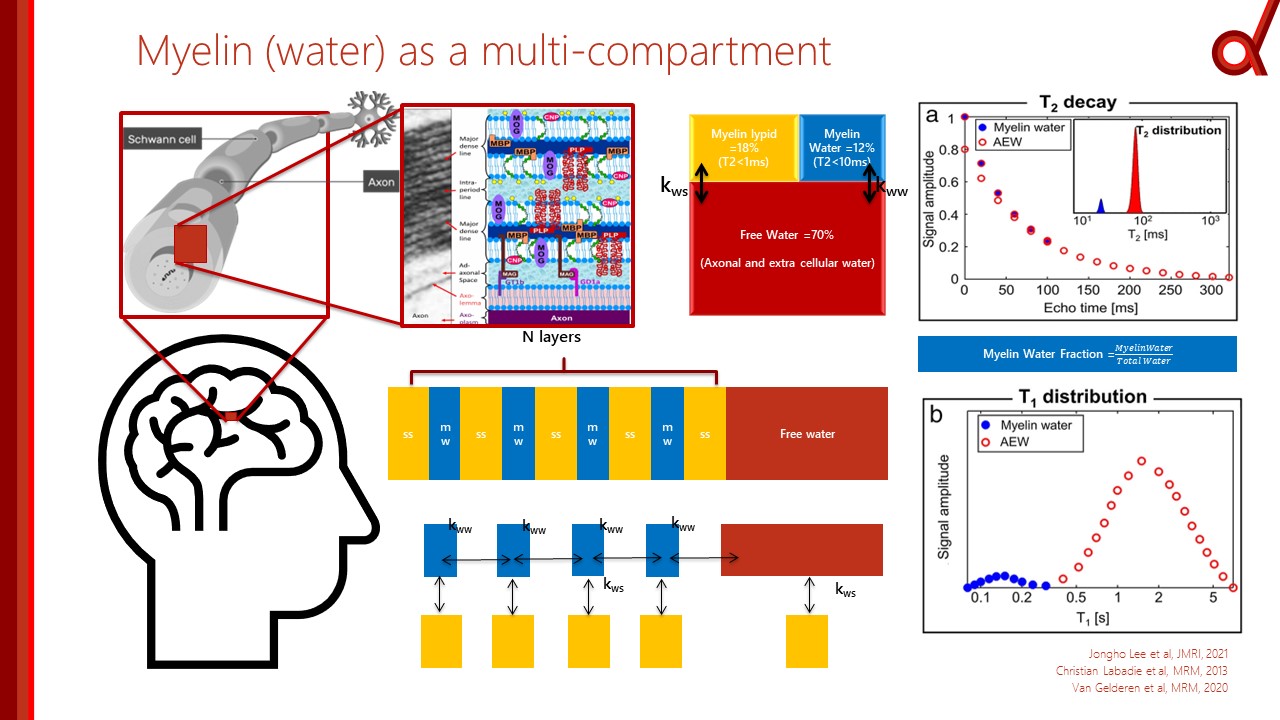
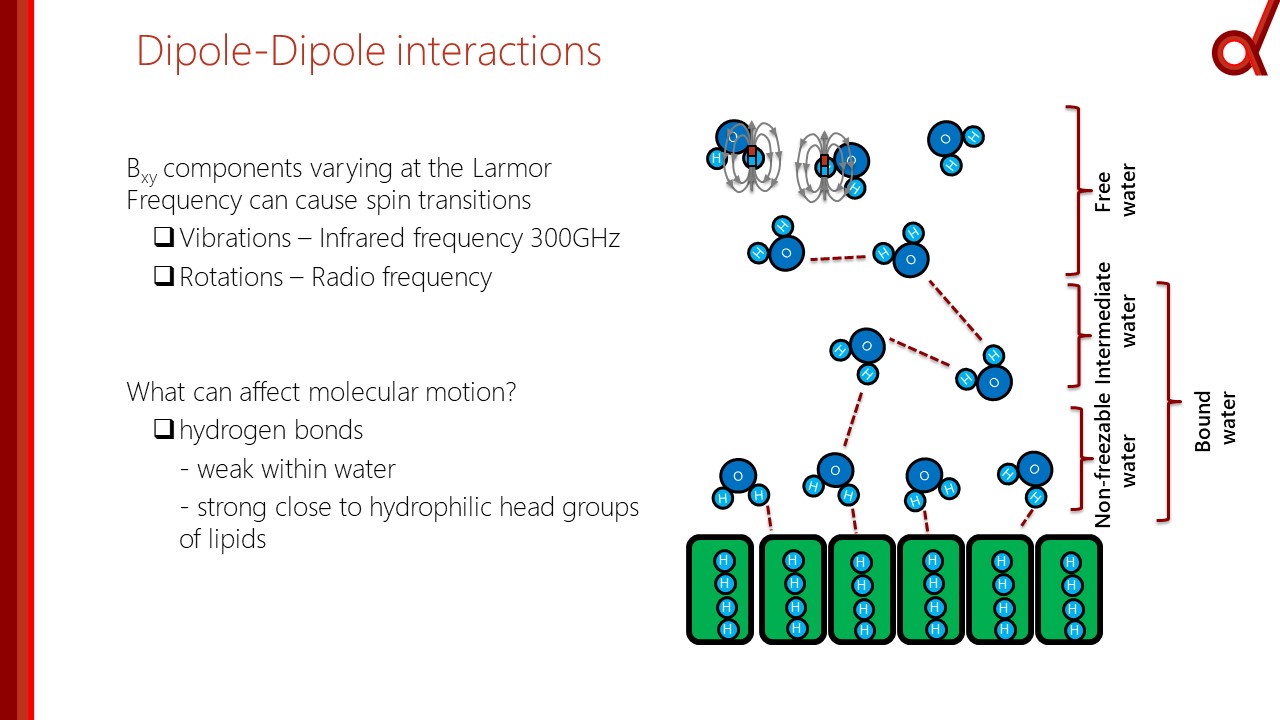
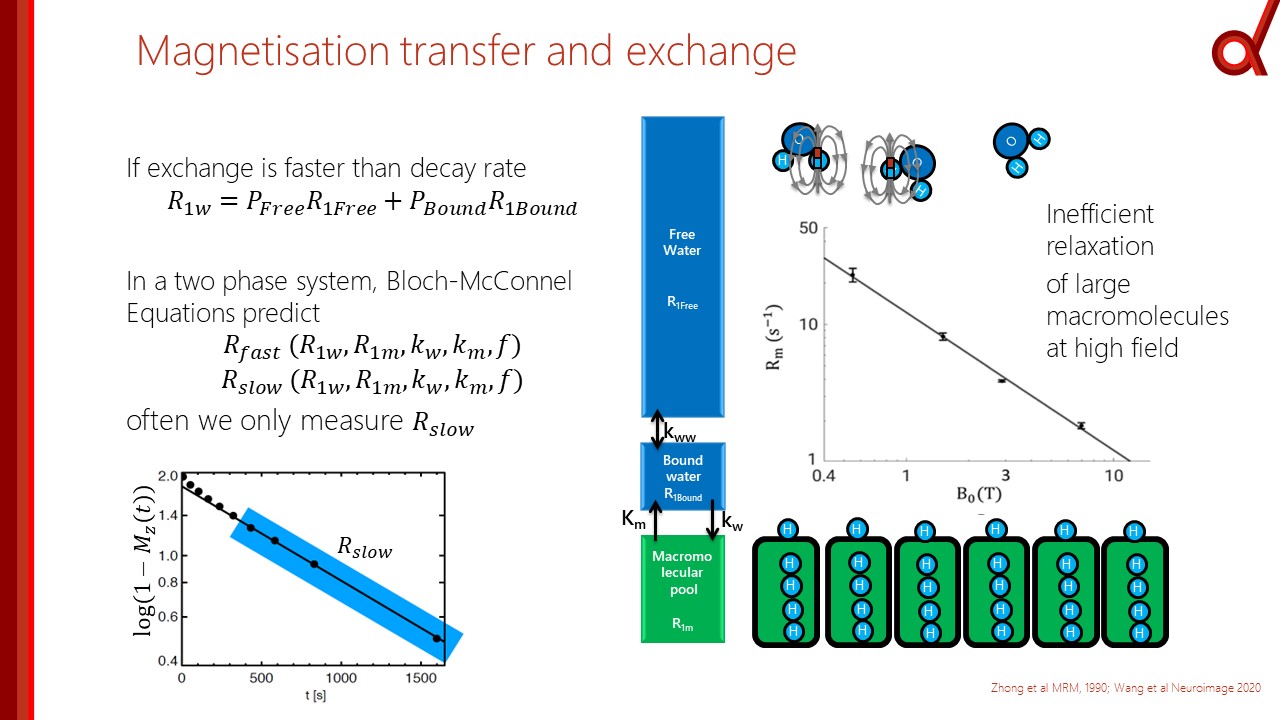
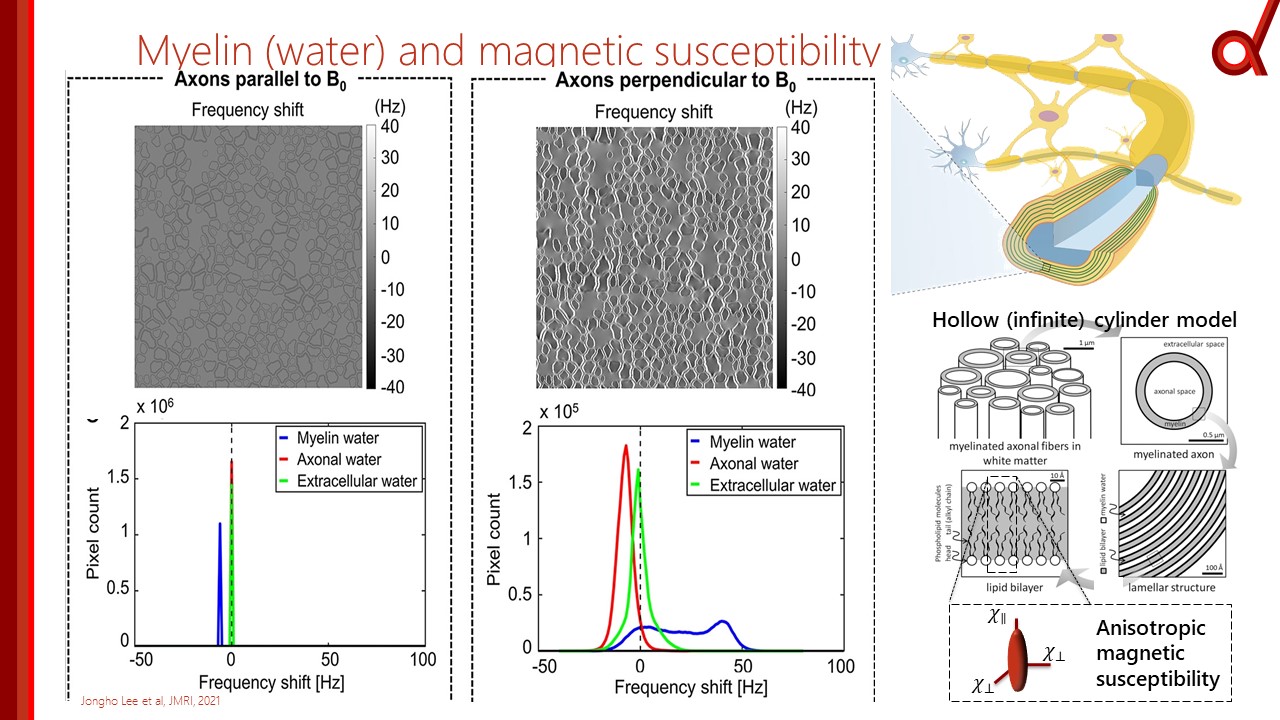
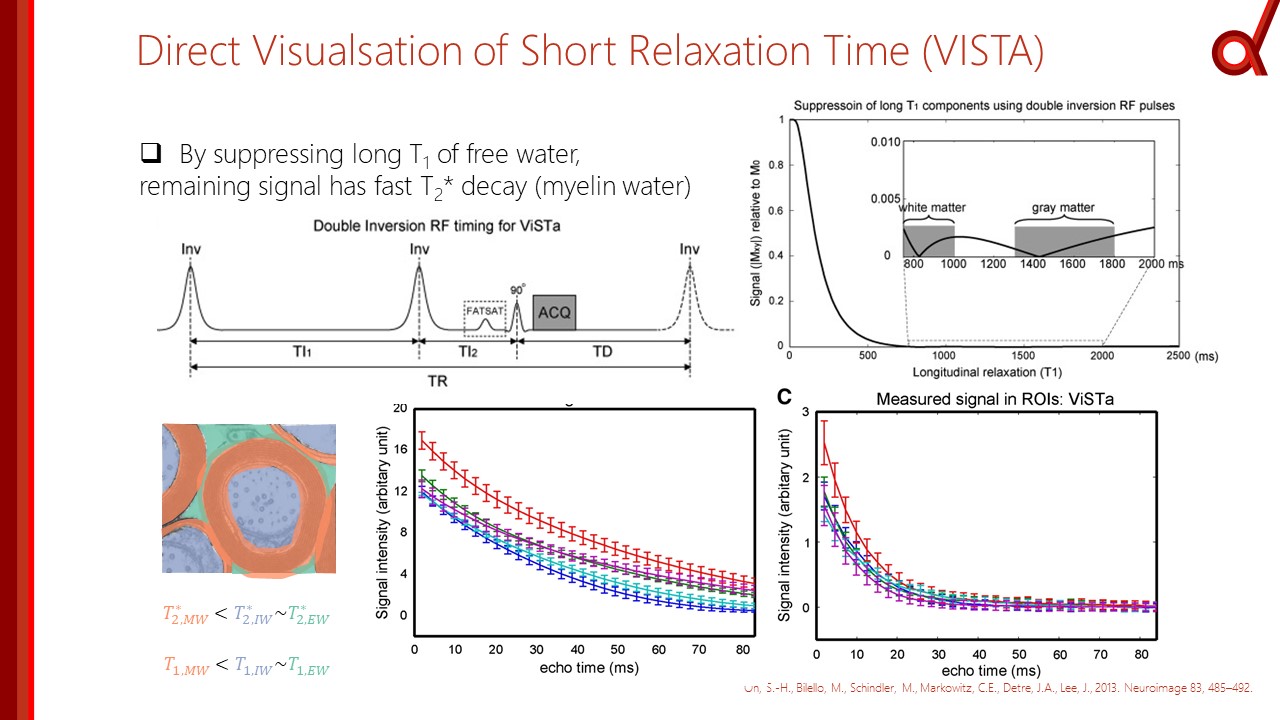
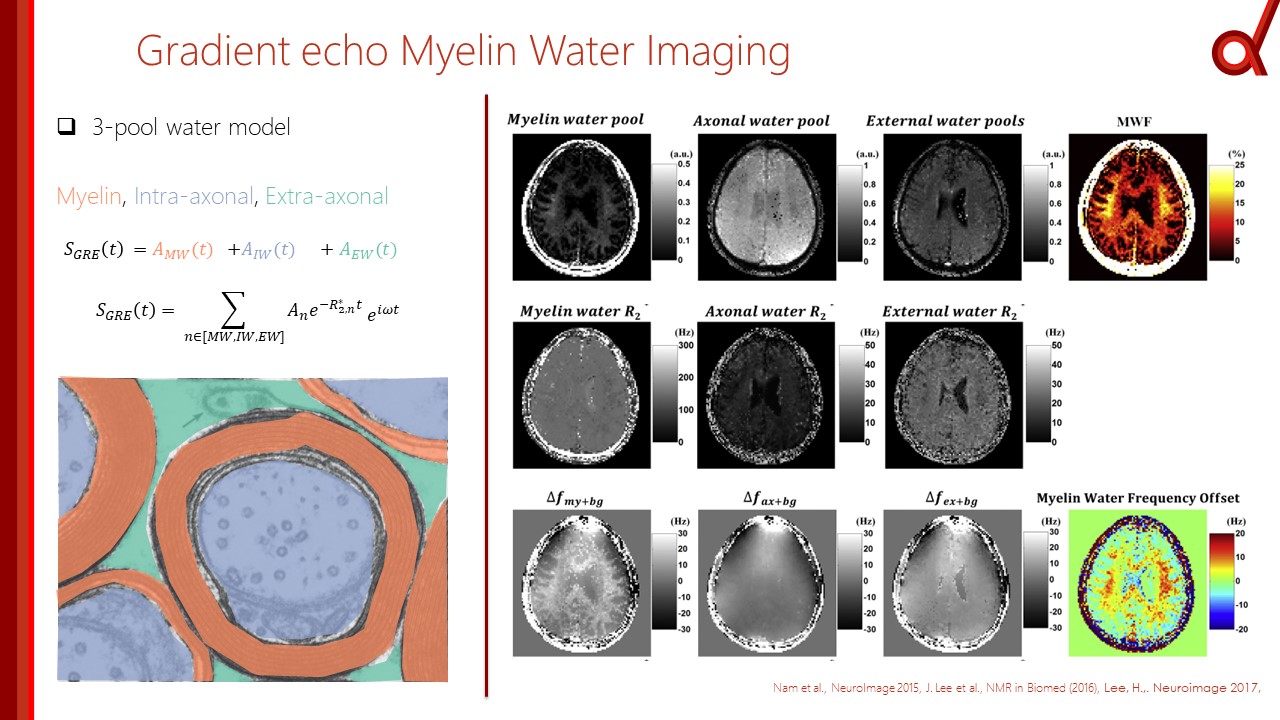
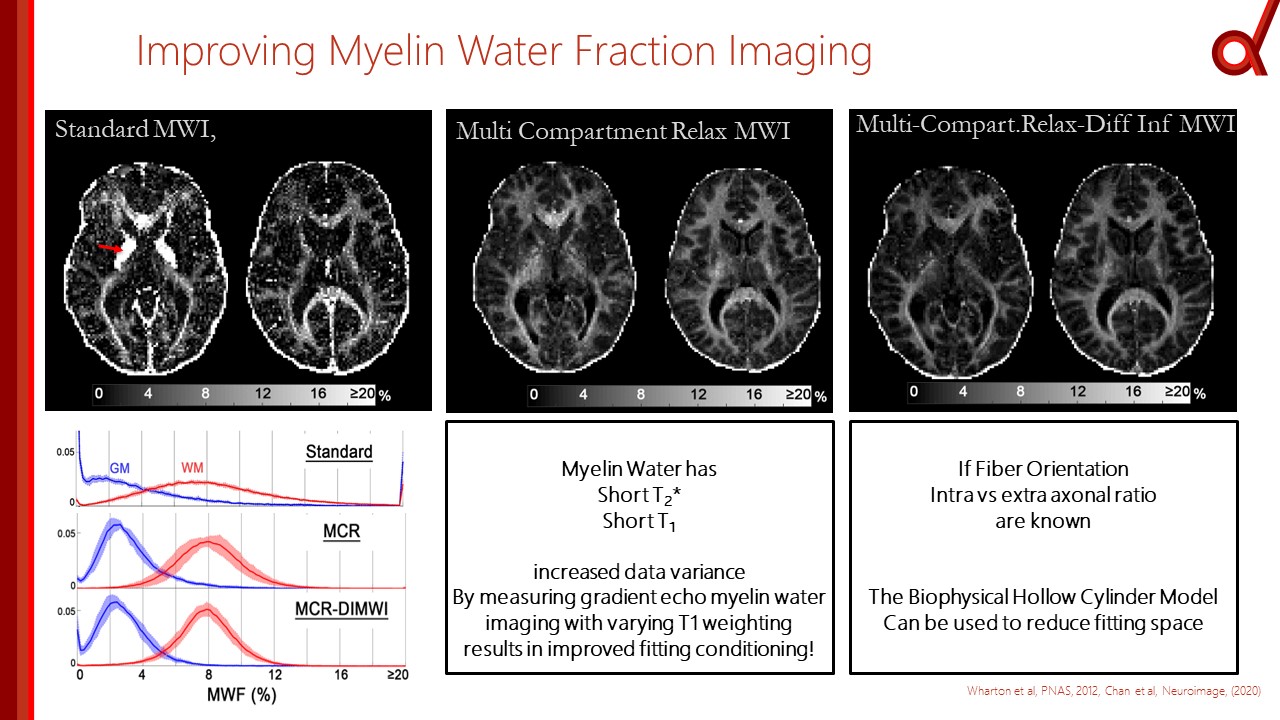
Traditional MWI relies on the observation of a short T2 component (Mackay et al., 1994), yet there are other ways in which myelin affects the observed MR signal: by affecting the longitudinal magnetization recovery thanks to magnetization and chemical exchange mechanisms and by changing the free induction decay of the visible signal due to the myelin diamagnetic properties. This talk will focus on three recently proposed methods that explore these properties: ViSTa (Oh et al Neuroimage, 2013), gradient echo based myelin water imaging (Nam et al, Neuroimage 2015) and multi-compartment relaxometry myelin water imaging (Chan et al, Neuroimage, 2020).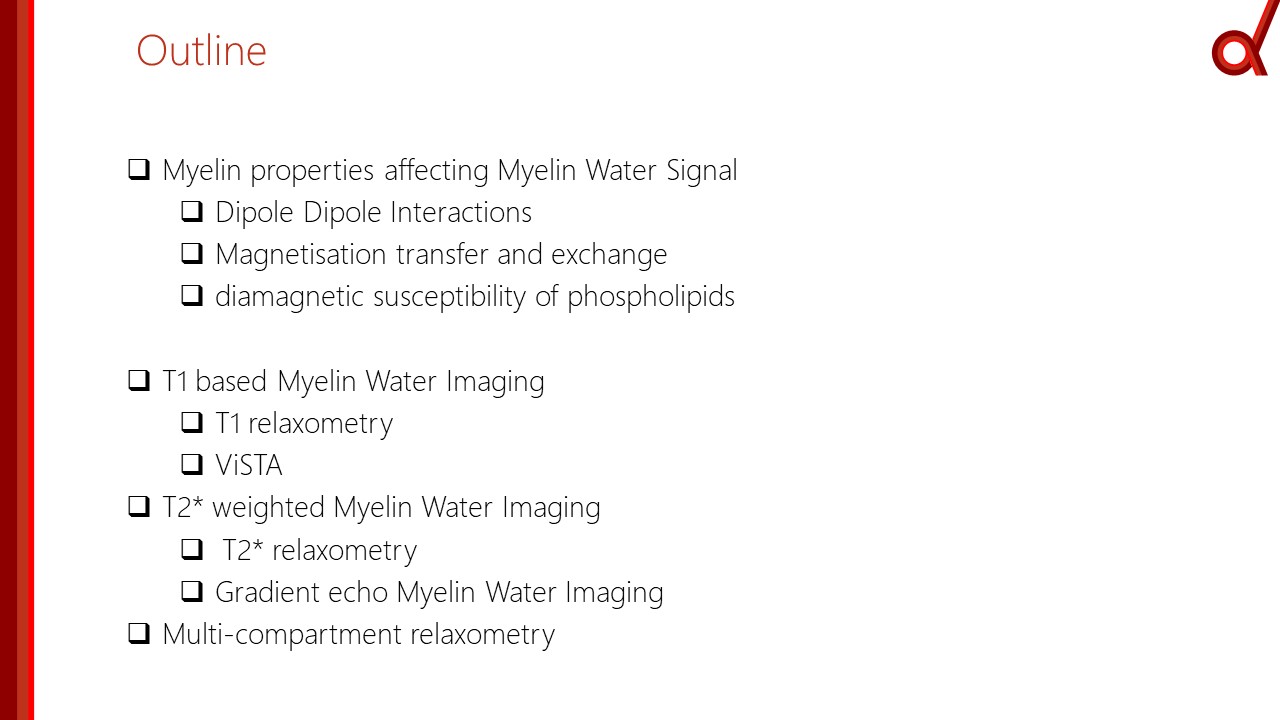 Slide #1
 Slide #2
 Slide #3
 Slide #4
 Slide #5
 Slide #6
 Slide #7
 Slide #8